

“The position of representative of the Republic should be extinguished, and the powers it currently holds should be, in honor and reinforcement of the parliamentary character of our subsystem of government, shared by the presidents of the Legislative Assembly and the President of the Government”, justified Francisco Coelho, PS deputy, and chairman of the Commission for Deepening the Autonomy, who presented the proposal in plenary, meeting in Horta.
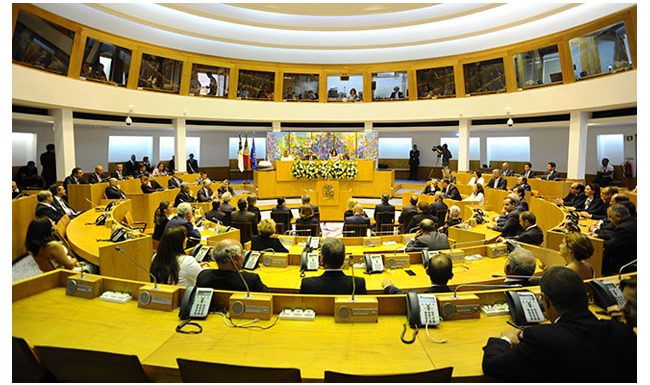
The legislative initiative, approved by a large majority in the Azorean parliament, will now be sent to the Assembly of the Republic and aims to concentrate on the matters that the region’s self-government bodies want to see defined in the framework of a future constitutional revision, and which also include proposals on the creation of regional parties, sectoral ombudspersons, and the presence of the Azores in the Council of Ministers, among others.
“Deepening the autonomies strengthens our country!”, stressed Vasco Cordeiro, PS parliamentary leader and former president of the regional government, highlighting the consensus generated in the region around the extinction of the position of representative of the Republic and the “reallocation of competencies” to the region’s self-government bodies, something that, he recalled, also happens in other areas of Europe.
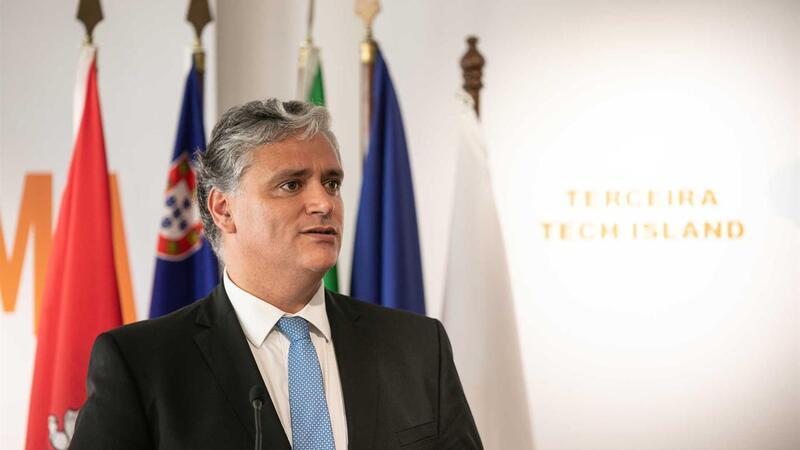
João Bruto da Costa, leader of the PSD bench, recalled that the proposals inserted in this resolution result from “a long negotiation process” between the parties with parliamentary seats, which began about six years ago, and which will have its high point with the delivery of the initiative, in person, in Lisbon, next week, to the parliamentary committee of the Assembly of the Republic that will consider the proposals for constitutional revision.
Paulo Estêvão, deputy of the PPM, highlighted the “innovative” character of the proposal to abolish the position of representative of the Republic and the transfer of its powers to the president of the government and the president of the regional assembly. This solution guarantees to have “political and autonomous sustainability”.
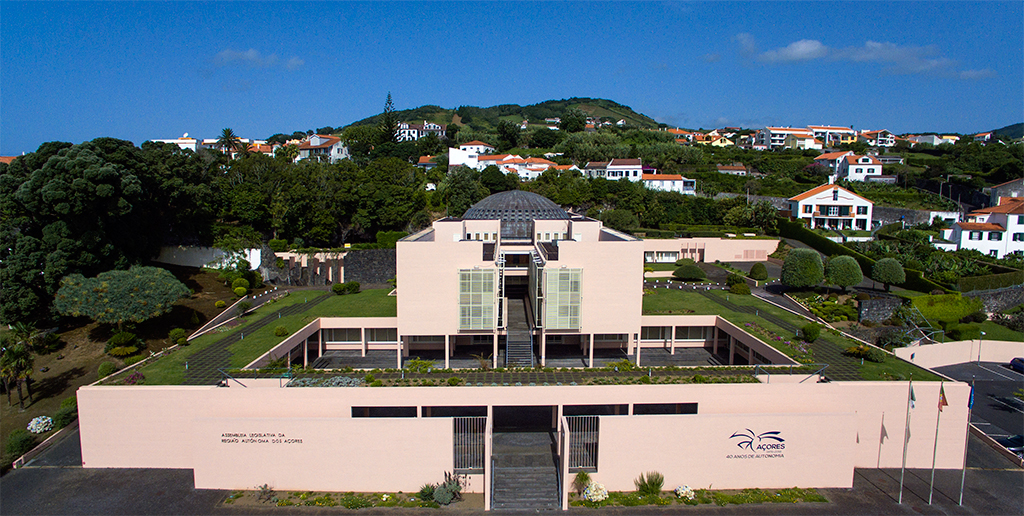
José Pacheco, from Chega, highlighted the intention of the Azores and Madeira to have a seat in the Council of Ministers so that they can defend their interests with the Government of the Republic instead of “delivering their defense in alien hands,” as is currently the case.
Pedro Pinto, CDS MP, also expressed his satisfaction that the parties with parliamentary seats in the Azores had managed to “put aside ideological differences” and secured a “broad consensus” around this proposal.
The resolution was approved by all parties with parliamentary seats in the Azores (PS, PSD, CDS-PP, PPM, CH, IL, and PAN), except for the BE caucus, which abstained as it disagreed with the transfer to the presidents of the Government and the Regional Assembly, of the powers currently exercised by the representative of the Republic.
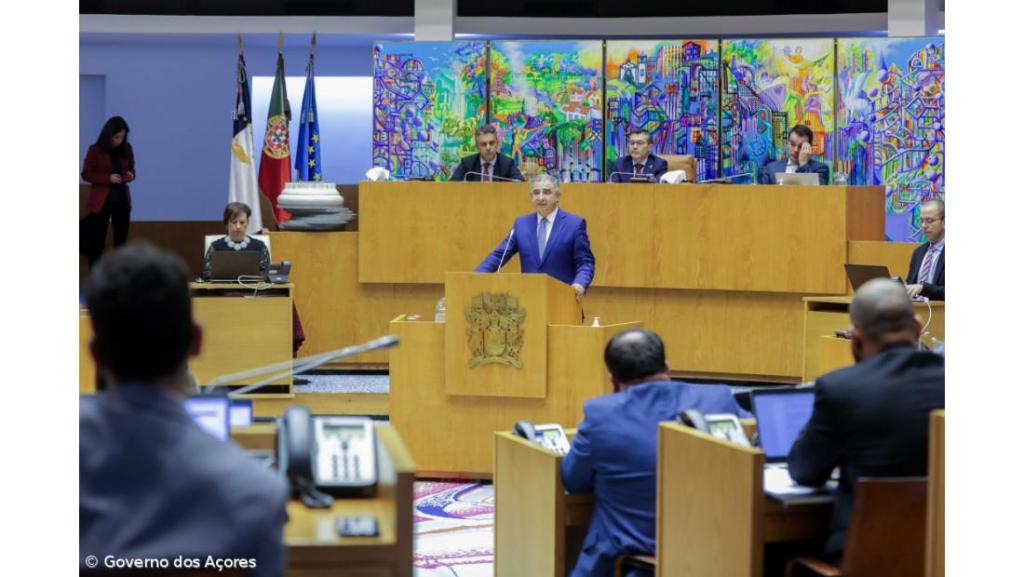
“This solution is counterproductive!”, warned António Lima, a member of the Left Bloc, during the discussion of the diploma, adding that this could give rise to attitudes of “caciquism” and a “presidentialist” regime that he considers to be dangerous for the future of the Azores, suggesting, alternatively, the creation of the position of “Ombudsman of Autonomy”, which was not, however, welcomed by the other political parties.
The proposal now approved in the Azores will be delivered by hand, next Tuesday, July 18, in the Assembly of the Republic, to the Eventual Commission for Constitutional Revision and to the President of Parliament, Santos Silva.
The Legislative Assembly of the Azores also unanimously approved a proposal presented by the three parties that form the Azorean executive (PSD, CDS-PP, and PPM), which requires the Government of the Republic to comply with the program contract for financing the University of the Azores.
At stake is a sum of 4.8 million euros, which should have been transferred to the Azorean academy, under the “reinforcement” of university funding, to compensate for the extra costs of insularity, as assumed by the then Minister of Science, Technology, and Higher Education, Manuel Heitor, in February 2020.
News story from Açoriano Oriental newspaper, Paulo SImões director eith contributions from a LUSA news service story, translated to Englsih as a community outreach program from PBBI and MCLL-Fresno State.
 Novidades - The Islands and the Diaspora