


In the 2023 edition, the “Green Key” program – an international award that promotes Sustainable Tourism in Portugal – was awarded to 20 tourist establishments in the Autonomous Region of the Azores.
This year four more accommodations were awarded compared to last year, representing an increase of 25% in the number of awards given to accommodations on seven islands, among which accommodations in the Rural Tourism category stand out.
Twelve of these accommodations are located on the island of São Miguel, followed by the islands Faial and Pico, with two tourist establishments distinguished with this award. The islands of Terceira, São Jorge, Graciosa, and Flores each have an award-winning accommodation, leaving out, for now, the islands of Santa Maria and Corvo.
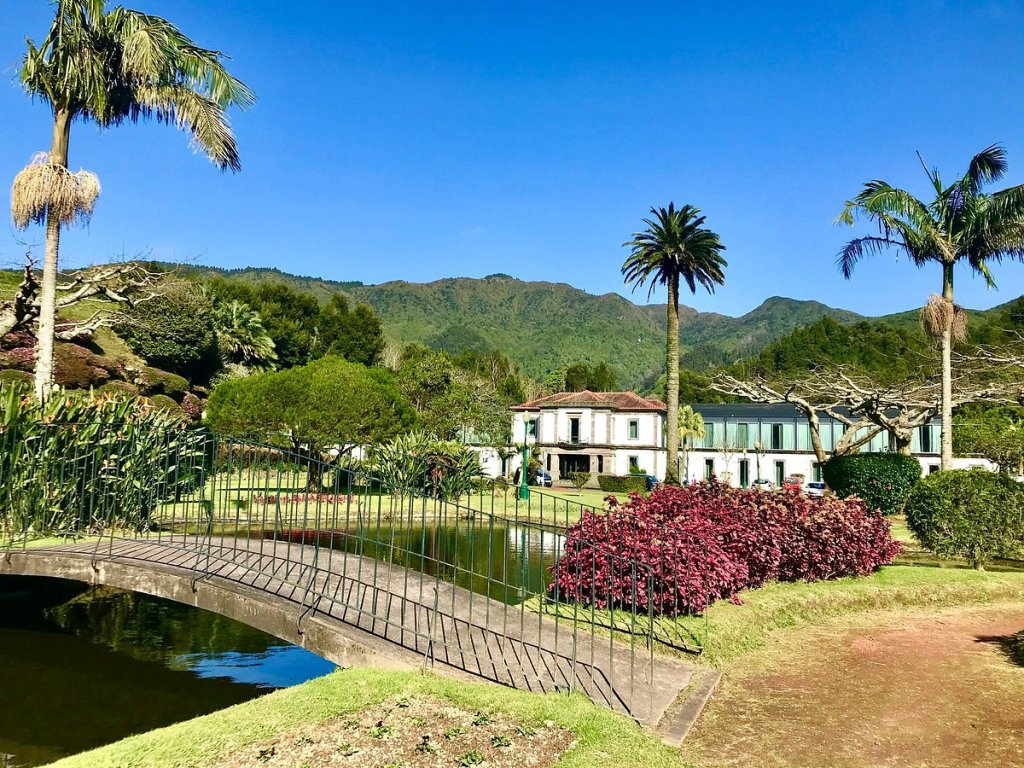
As explained by the Regional Secretary for the Environment and Climate Change at the award ceremony, this award “represents a commitment by tourist units, hotels, hostels, local accommodation, campsites, vacation camps, conference centers, restaurants, and other tourist units” to ensure that they are subject to “the strict criteria” established by the UN concerning sustainable development to be achieved by 2030.
According to the coordinator of the “Green Key” program, Fátima Vieira, the evolution verified in the Azores is “very positive,” meeting the trend registered at the national level, where 268 awards were given to establishments of various categories.
For João Pinheiro, one of the entrepreneurs with distinguished accommodation in São Miguel, this is “a difficult award to obtain but very rewarding” and is the “confirmation” of the work carried out over time concerning environmental sustainability.
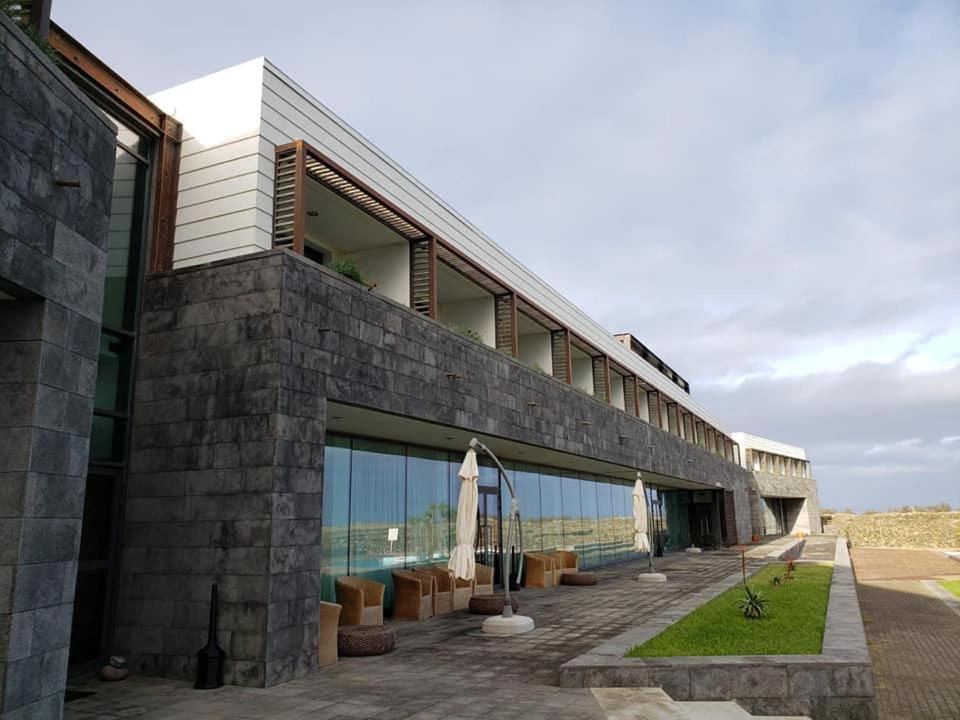
For Sandra Ataíde, representative of the Inatel Graciosa Hotel, this is a sign that “the customer must also have certain attitudes to contribute to good practices” of environmental sustainability, leaving “to make every effort to maintain the award.”
Compared to other distinctions, the “Green Key” award presupposes the concern to “give something to the community”, whether through, for example, the recovery of green spaces, planting new trees or cleaning along the coastline.
Joana Medeiros-journalist
in Açoriano Oriental-Paulo Simões, director
Translated to English by the Portuguese Beyond Borders Institute (PBBI) and the Modern and Classical Languages and Literatures Department (MCLL) from Fresno State as a community outreach program.
 Novidades - The Islands and the Diaspora