


“It’s a perfect match,” said the musician from Terceira Island, who plays the 15-string viola, alongside Rafael Carvalho, from São Miguel, who plays the 12-string viola, on the CD “Duas violas, uma tradição,” presented at a show at the Museu dos Baleeiros, on the island of Pico, on Monday.
Two of the biggest promoters of the viola da terra in the Azores, Bruno, and Rafael, came together in an ‘online’ concert, during the covid-19 pandemic, in 2020, at the Violas do Atlântico festival, and a friend from Alentejo launched the challenge: “Two violas, a tradition, this has to be recorded.”
“The name of the record was chosen.” Living on different islands, they tried to work remotely, but it was only in 2022, when Bruno went to São Miguel, that the CD took shape.
“We entered the studio at 8:00 am, and at 4:30 pm, the record was recorded,” he said.
According to Bruno Bettencourt, the goal is not to make this work “the record of the viola da terra” but to draw attention to the differences between the sounds of the two guitars and even challenge other players to follow suit.
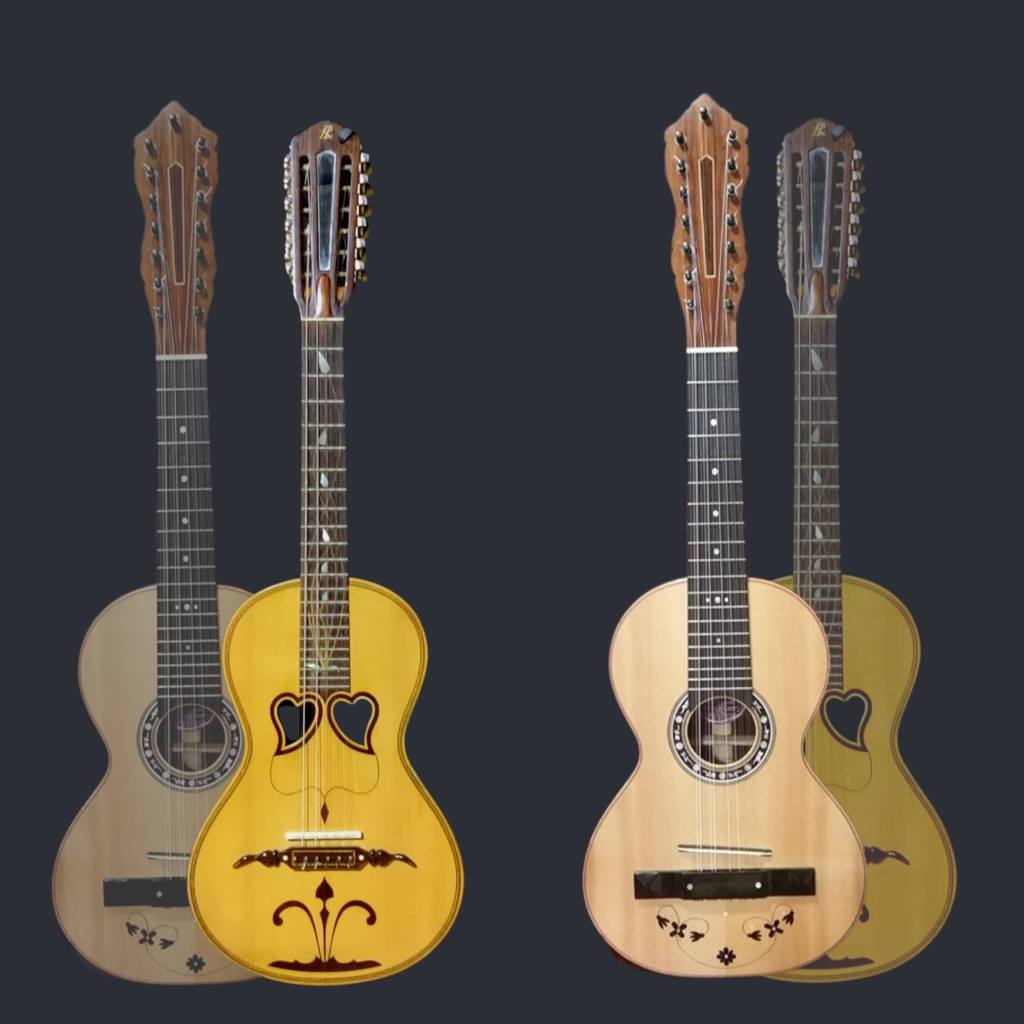
“The intention is to show the two most played guitars in the Azores, the diversities of the sounds, the techniques, and, at the same time, the way these two guitars complement each other because, at the end of the day, it is a record that also appeals to the union,” he said.
There are many differences in the viola da terra on the different islands, even in how it is played. In São Miguel and Santa Maria, it is played with the thumb. In Terceira, Graciosa, and São Jorge with, the index finger, while the thumb accompanies the bass. On the other islands, it loses its role as a soloist and appears as an accompanying instrument.
There is the 12-string viola on all the islands, although on Terceira Bruno only knows one player because the 15-string has long since taken over the lead.
“While the other viola has 12 strings and is tuned in five orders, on Terceira island, there is this viola with 15 strings, grouped in six groups, which has a shorter neck,” he described.

The origin of this instrument, which has the first references in the early twentieth century, is “controversial.” Still, the musician from Terceira believes that it stems from the “influence of the Castilian presence in Terceira.”
Bruno Bettencourt does not doubt one thing: the sound of the São Miguel viola, tuned in D, perfectly complements the 15-string viola from Terceira.
“As the São Miguel tunes at a lower pitch, it has a warmer but fuller sound. The viola from Terceira is brighter and has a slightly higher pitch. The two go very well together,” he said.
The CD includes traditional themes from the two islands, played more or less traditionally, sometimes with one of the violas improvising, as if “they were in a challenge.” There are also two original themes, composed by the two musicians, played solo to show the sound of each instrument.
According to Bruno Bettencourt, there was a time when the viola da terra was almost only played in folk groups and singing. Still, it has been proven that “it can be integrated into any musical genre.”
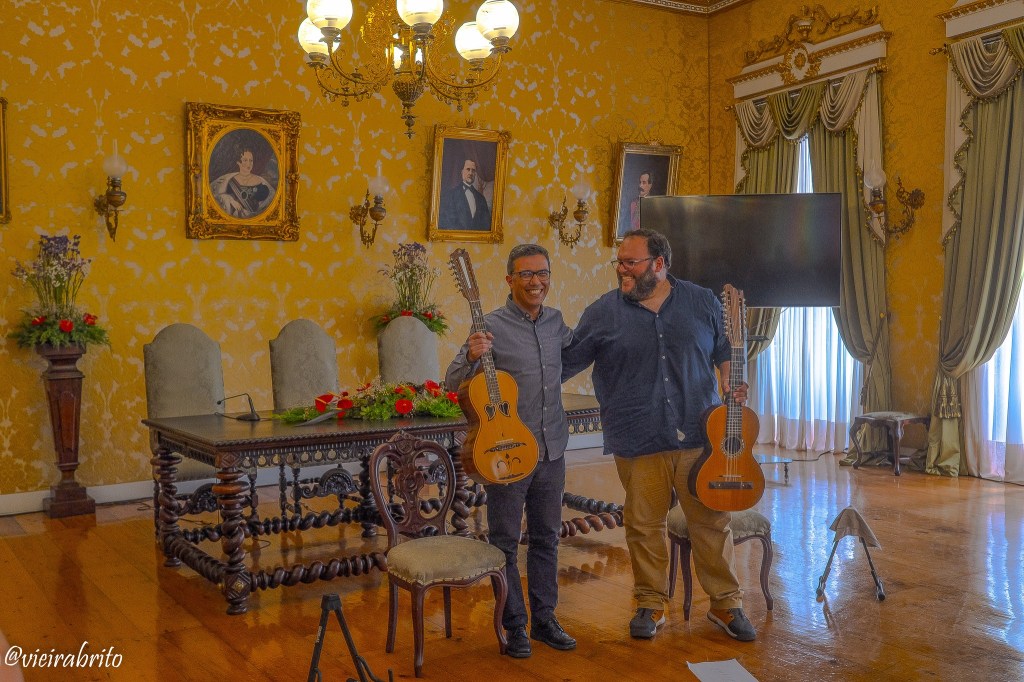
“In addition to the folklore groups, which are undoubtedly responsible for the viola having survived and having reached our days with some vitality, more and more people are recording viola da terra records, including the viola in rock music, in fado,” he pointed out.
According to Bruno Bettencourt, one of those responsible for this change of mentality was Rafael Carvalho, who released an album of originals for Viola da Terra about a decade ago.
The instrument also began to appear more and more outside the Azores, arousing the Azoreans’ attention.
“The viola has started to gain momentum and is already being seen by the younger ones not as an instrument of old people but as an attractive instrument, which allows us to do what we want,” he said.
In viola schools and conservatories, there is no shortage of students of the traditional instrument of the Azores, and in concerts, the interest of Azoreans and beyond is notorious.
“Last year, a gentleman from mainland Portugal, who is working here in the islands, attended an event and a while later sent me a message asking where he could get a viola. He bought a viola and is currently learning to play”, revealed Bruno Bettencourt.
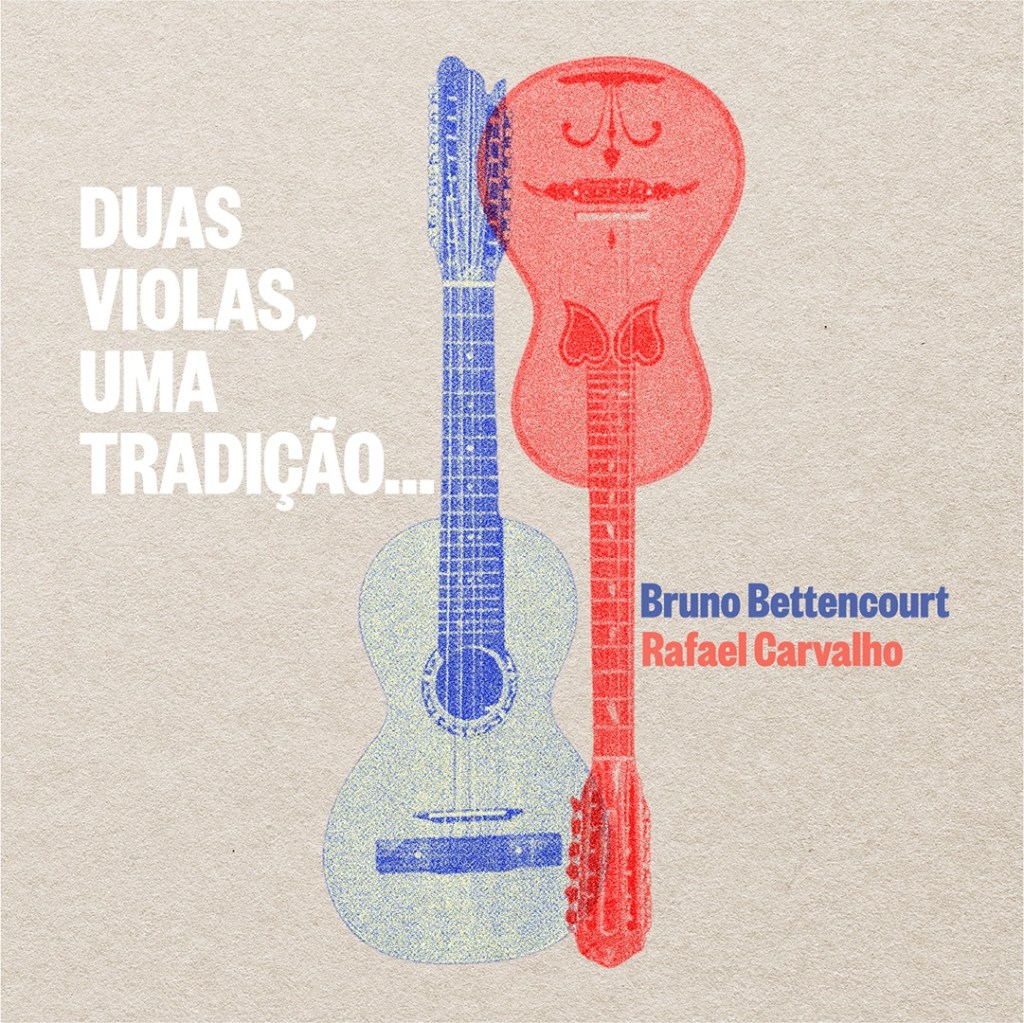
This is a LUSA (Portuguese news agency) news story in Açoriano Oirental from Ponta Delgada, Paulo Simões-director. It was translated to English by PBBI (Portuguese Beyond Borders Institute and MCLL (Modern and Classical Languages and Literatures) Department from Fresno State for Novidades-Bruma Publications-California State University, Fresno, as a community outreach program.
You can purchase this online–https://rafaelcarvalho.bandcamp.com/album/duas-violas-uma-tradi-o?fbclid=IwAR1e5L134o4fwZ3pGcJaatJ0vHqTBGZe2O3CnqkNQfuEYlg-MDC2OsvyPG8
 Novidades - The Islands and the Diaspora