

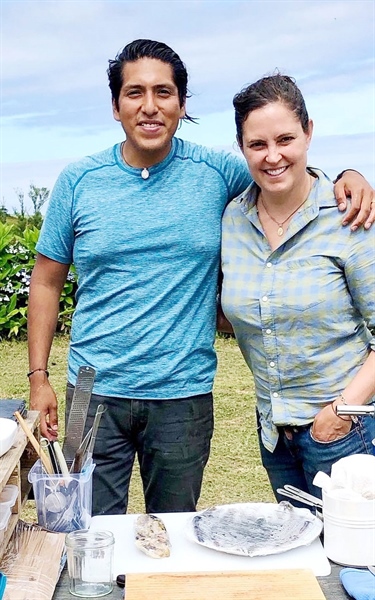
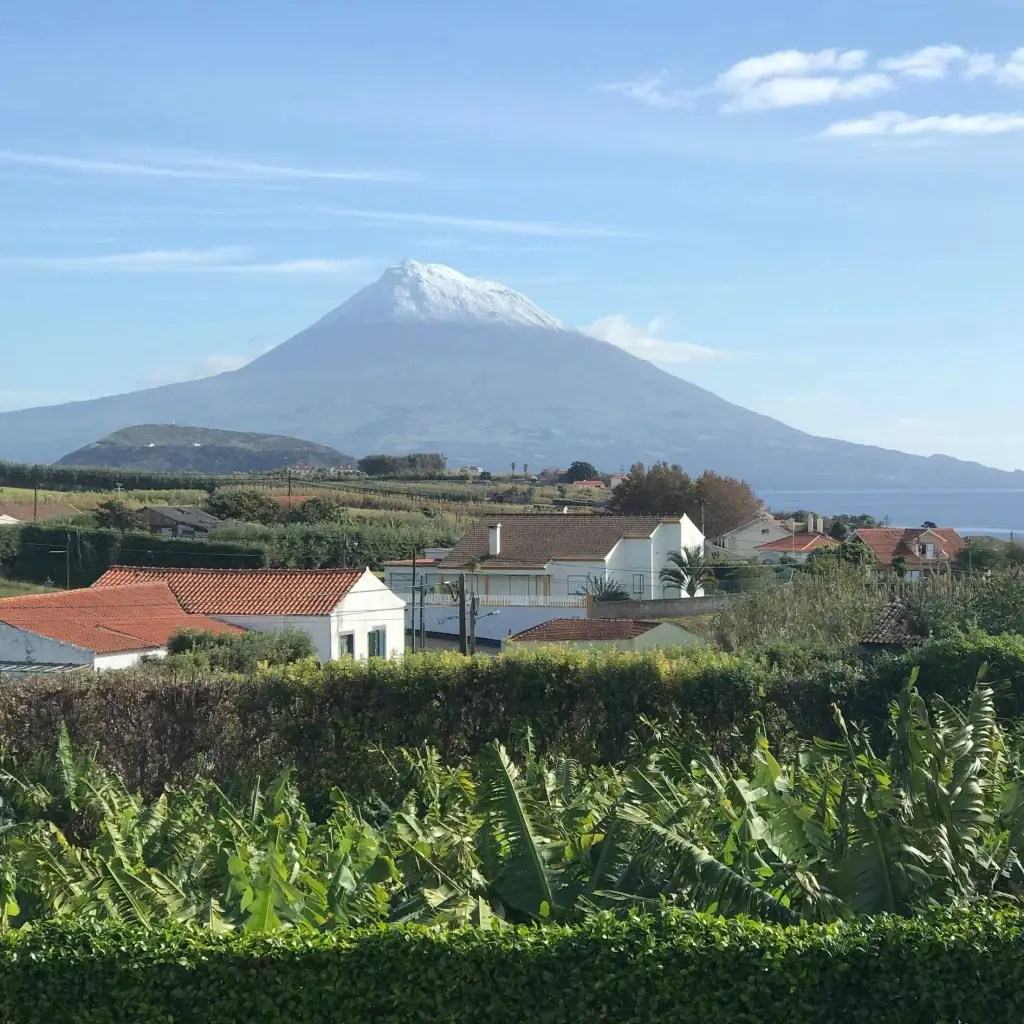
In the parish of Feteira, on the island of Faial, there was a farm that had not borne fruit for more than 50 years. The “quinta” is in the family of Margo Petitti, born in the United States of America and the daughter of an immigrant from the Azores. Her mother emigrated at the age of eight with her family in 1961 to the US, four years after the eruption of the Capelinhos Volcano.
Visits to the Azores as a child gave birth to Margo’s dream of one day moving to the island of Faial and working on the Farm that was the livelihood for her grandparents and great-grandparents. She studied Horticulture and worked on farms in the United States, Greece, and New Zealand, specializing in production agriculture, agroforestry systems, and organic practices. Then, contact with organic was interrupted, and Margo started a clothing production company, which she eventually disposed of to follow her childhood dream.
She moved with her partner, Manny Largo, to Faial in March 2022. Manny has a degree in cooking and was a chef in prestigious establishments in New York, including a two-star Michelin restaurant, where he worked before moving.
The American couple is restoring the family farm and rebuilding their grandparents’ house. They are transforming the family heirloom into a farm where they test more than 100 varieties of organically grown plants each growing season. These include heirloom tomatoes, rare types of squash, corn, lettuce, eggplant, cabbage, herbs, edible flowers, and many others.
At the Farm’s dinners, strangers become close in an experience of gastronomic and social discovery.
In the “Farm” project, with the best products of these rare species, Manny creates artisanal dishes served on a communal table of 14 seats, bringing everyone together in a unique gastronomic experience. The aim is to showcase different and less common products on the island and create bonds between participants. “We started the project last year, in March when we moved here. The project is about having an organic farm to grow produce for our Farm to table dinners. Last year we went to the market to sell the produce. We’re growing specialty varieties, traditional and rare varieties of vegetables, things you can’t find here. We started with that, growing for the market and our dinners,” says Margo.
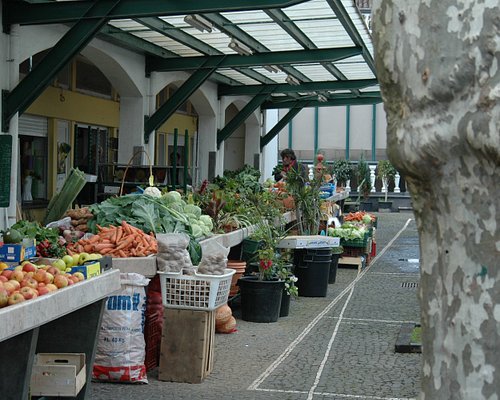
For his part, Manny, the chef behind these innovative dishes, explains that “we are growing purple carrots, yellow carrots, and unique vegetables, and we want these products to shine in our dinners. We do five dishes and have a specialty bread that we used to make in the United States. I had the opportunity to work in several restaurants, learned a lot there, and brought that knowledge here. We wanted to find a way to introduce new vegetables to people and learn how to use them and make dishes with them. We decided to do a concept of a communal table of 14 seats to introduce these foods to people but also to get strangers to know each other. They build relationships, friendships, and an experience they could never get if they went to eat at the restaurant. We want to bring people together.”
“The emphasis of our project, especially with the communal table we do at dinners, is to try to bring people together. It’s a family atmosphere; people pass the plates to each other and share the food. It’s not done individually. Everything is shared. We try to include other farmers and people in our project. Bringing people together is what we love most about what we do. It is the highlight for us. It’s not just the food and the farming but also the people. We have visitors who travel from all over the world, and then we have people who live here on our street,” explains the Azorean descendant about the purpose of the whole experience, which has been sold out and sought by locals and tourists alike. “We exceeded what we thought we were going to do here. It’s exceeded our hopes,” the American chef feels about the project.
Having her Farm on what was once her grandparents’ and great-grandparents’ Farm is the realization of a dream for Margo: “This is what I’ve always wanted to do.” Manny was supportive and accompanied her to Faial, not knowing exactly his role in the project. “But he found a way to incorporate his culinary knowledge into what I’m doing. It works very well. It’s a good collaboration.”
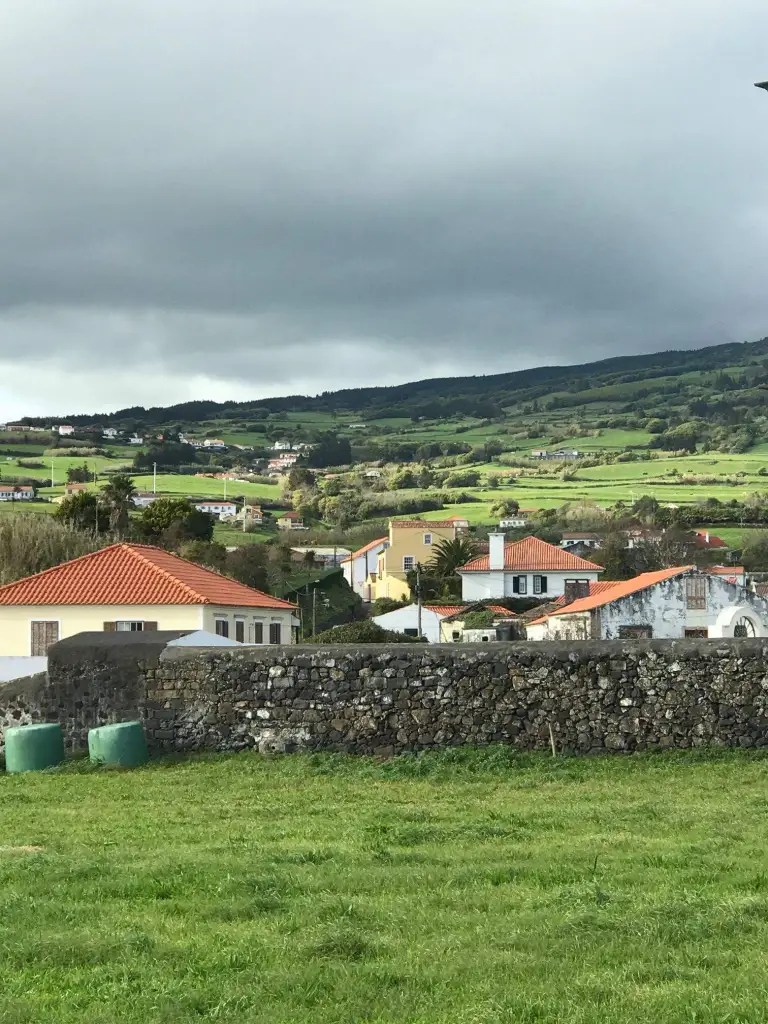
Direct planting and the use of beds allow you to grow crops in a way that is less invasive to the soil.
The “Fazenda” is still a project in its infancy, starting in March last year, when the couple moved to the Azores. The young farmers want to implement new, less invasive systems, such as using raised beds and no-till planting. Margo reveals: “Our concept is changing a bit. Next year we will have raised beds and start the no-till system. It will be a bit different, but we realized that planting the traditional way works well, but it’s not very good. We think no-till will be a better system for us, and we’re working on that to be ready next season.”
In the no-till system, soil intervention will be minimal to preserve the constitution and properties of the land where the organic produce will be planted. “We are minimizing land use and turning over the land a lot because that destroys the soil structure. By introducing the no-till system, we are promoting good soil growth, good health for the land… it’s a way to improve the land and the Farm so we have a good ecosystem,” Manny explains.
“It’s much less lonely here than in the United States.”
Margo and Manny told us that what they like most about the Azores is the culture and the people. “We like the culture and the people. We work with other farmers. If there are things we can’t grow for dinners, we ask local farmers to buy things from them. We use milk from local farmers. Getting to know the people on the island as we go along has been a real highlight for us,” acknowledges the American with Azorean roots, “We love outdoor activities too, like snorkeling. Still, I think the number one thing is the people.”
The contact with other people makes the couple, used to big cities, not feel isolated by insularity: “We end up meeting so many people, and you still see them every day. In the States, you walk down the street and don’t know anyone; you keep walking. You’re alone all day. Here, you go to the bakery, find three people you know; you talk to them, and catch up. It’s much less lonely here than in the States. It’s different,” explains Margo, who naturally feels at home in the land of her great-grandparents, grandparents, and her mother, who was still a child when the blue island spewed lava and new ground emerged from the sea.
Mariana Rovoredo is a journalist for the Correio dos Açores newspaper, Natalino Viveiros-director.
Translated to English as a community outreach program from the Portuguese Beyond Borders Institute (PBBI) and the Modern and Classical Languages and Cultures Department (MCLL) as part of Bruma Publication and ADMA (Azores-Diaspora Medial Alliance) at California State University, Fresno.
 Novidades - The Islands and the Diaspora
I was born Faial Feteira . I was 14 , when immigrate to the USA. 1966. I will Visiting Azores August 15 -29 . Will be in Faial last week of August. Will visiting My Freguesia . Minha casa onde nasci Travessa do Pedregulho . Will look your place up
LikeLike