

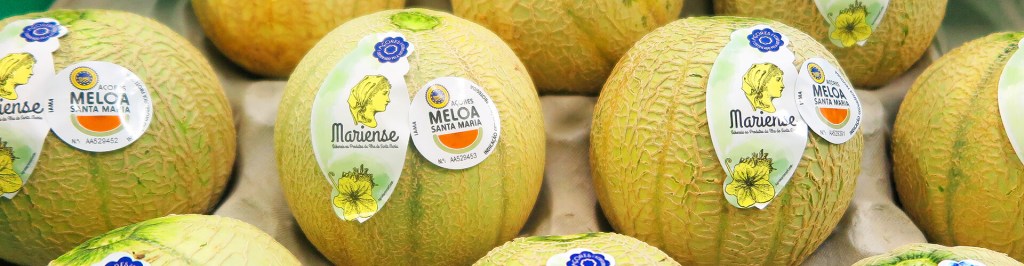
From the melon of Santa Maria to the garlic of Graciosa, the Azores have nine products with European certification, with butter in the “final stage” of classification, followed by the applications of lamb and turnip from Santa Maria island.
Speaking to the Lusa news agency, the Secretary of Agriculture and Rural Development of the Government of the Azores said that, “probably next month,” the region will have another product with the classification of Protected Designation of Origin (PDO).
“Butter is in the final stages of classification. The opposition to the product was published in the European Union newspaper to find out if any country in the world is opposed to it being considered a PDO. We are waiting for the result”, said António Ventura.
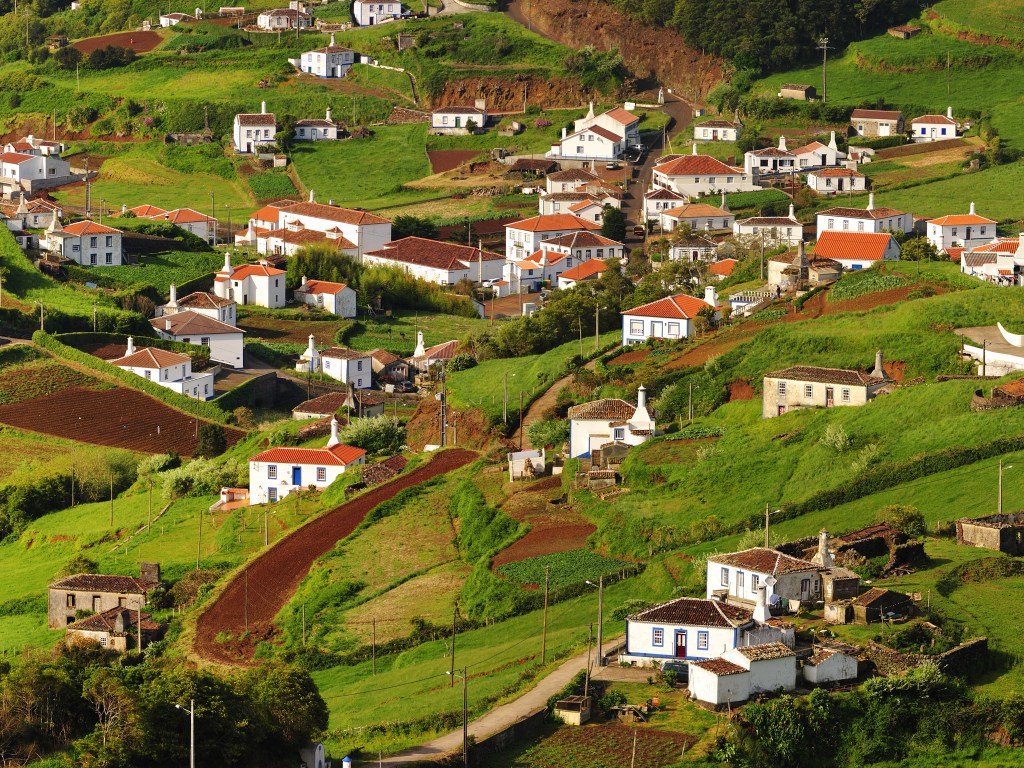
The Azorean archipelago has nine classified foods: six with the PDO ‘seal’ and three with a Protected Geographical Indication (PGI) certificate. “All products qualified with this legal classification, PDO or PGI, are products that result from evaluation, both legal and in organoleptic and content terms, comparing the product with all others in the world,” he explained.
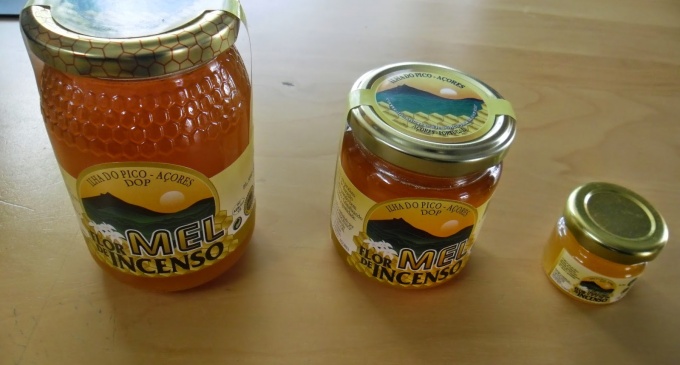
The PDO products include São Jorge cheese, pineapple from the Azores / São Miguel, passion fruit from São Miguel / Azores, honey, Pico cheese, and Ramo Grande meat from Terceira.
Meat from the Azores, cantaloupe (meloa) from Santa Maria, and garlic from Graciosa are distinguished by the PGI classification.
“These unique products are increasingly sought after by consumers. They are products of the land. They are unique products of a particular place”, he reinforced.
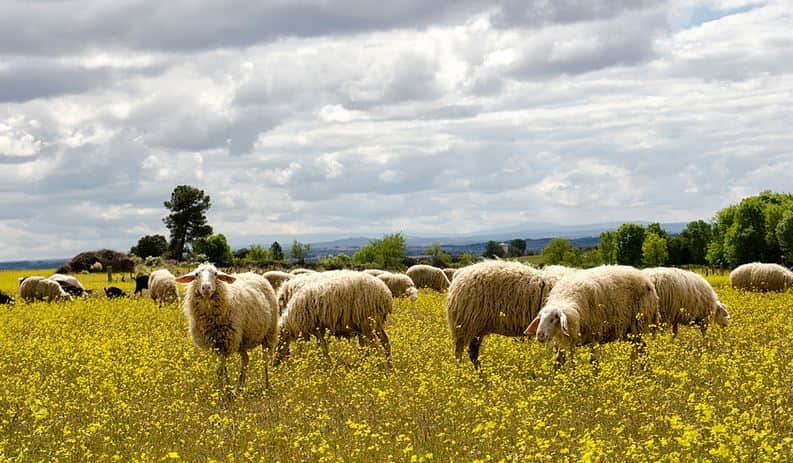
The Regional Government and the Santa Maria Agricultural Association are also working on the application for the PDO classification of lamb and turnip, typical of the easternmost island of the archipelago.
“These two applications are, in fact, unique. On the other islands, turnip and lamb are not the same, either in terms of their organoleptic characteristics, their nutritional content or their history. This derives a lot from the intersection of the soil and climatic conditions of that island”, he stressed.
Historical elements about the two foods are being collected, followed by “scientific tests to prove that those products are different from other foods of the same species”.
“Our desire is to move forward as soon as possible, probably in 2024. We and the Agricultural Association of Santa Maria are collecting historical elements that prove that these two agri-foods have always been produced in Santa Maria since the first settlers,” he said.
António Ventura also reiterated the commitment to “value” and “recover” the “genuinely Azorean” products.
“The more qualified products, the better for the Azores. They are products that are adapted to climate change. They are agri-foods that by vegetative cycles are very adapted to the territory and fight climate change with low carbon emissions into the atmosphere, “said the Secretary of Agriculture and Rural Development of the Azorean Government.
This news story is from Lusa News Agency and was published in the newspaper Açoriano Oriental – Paulo Simões, director.
Translated to English as a community outreach program from the Portuguese Beyond Borders Institute (PBBI) and the Modern and Classical Languages and Cultures Department (MCLL) as part of Bruma Publication and ADMA (Azores-Diaspora Medial Alliance) at California State University, Fresno.
 Novidades - The Islands and the Diaspora