

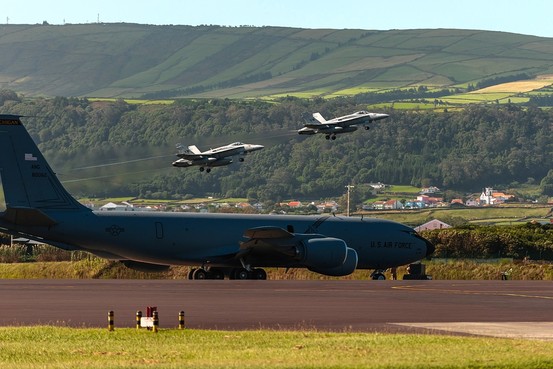
The various times in history may leave the geostrategic importance of the Lajes Base and the Azores more or less hidden, but that value remains and is now evident again.
International relations specialist Luís Andrade (Professor and Researcher at the University of the Azores) defends the idea at a time when the former US commander of Lajes Base, Brian Hardeman, left the military infrastructure to stress that the “strategic location in the North Atlantic makes access to the Azores, especially to Air Base No. 4, of primary interest to China”.
This public position, taken at the surrender of command, which took place last Thursday, does not surprise the retired professor at the University of the Azores.
“I have always defended, for many years, the geostrategic importance of the Azores and the Lajes Base. There are periods of greater international instability when this relevance appears more concrete and visible. However, it has never been lost”, he says.
Luís Andrade points out that, despite the decision in 2015 to reduce the military presence of the United States of America in Lajes, the power does not abandon the base: “Anyone who studies geopolitics knows very well that when power vacancies are created, these spaces are occupied by someone, sooner or later. The US knows that.”
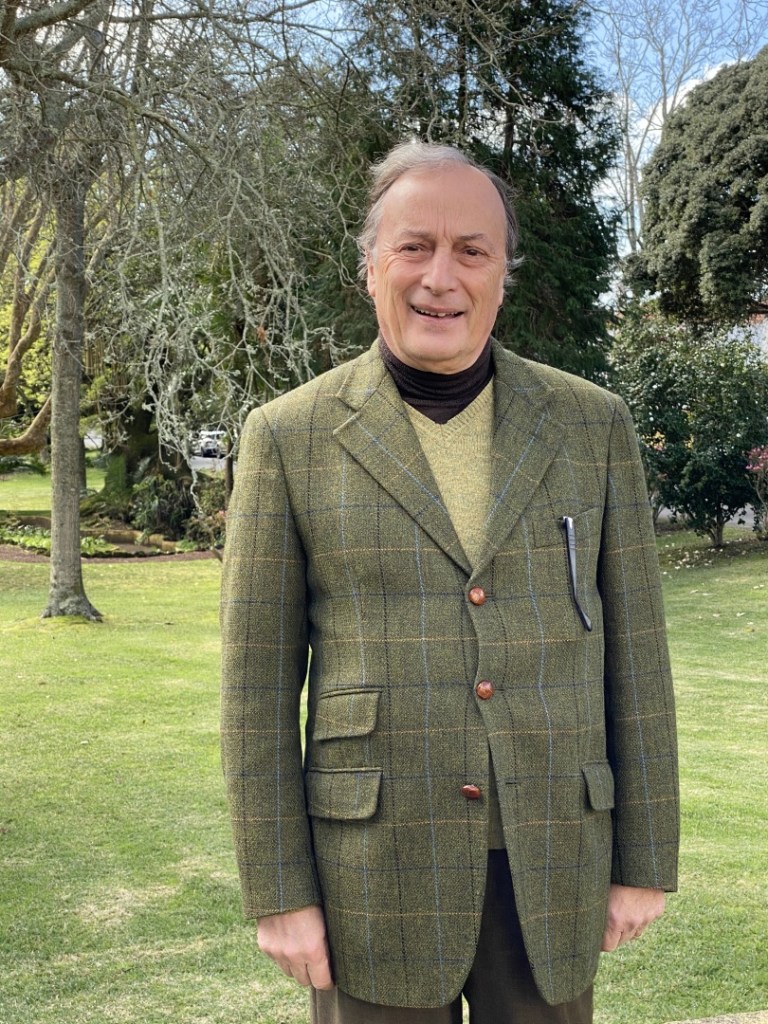
Luís Andrade does not see a Chinese presence at the military base as realistic. “Some people talked about it, but it doesn’t make sense. On the one hand, we are a founding member of NATO. On the other hand, we have an agreement with the United States of America. So when you talk about a Chinese military presence, it’s absurd. Now, another thing is the cooperation that can exist at the scientific and technological level,” he said.
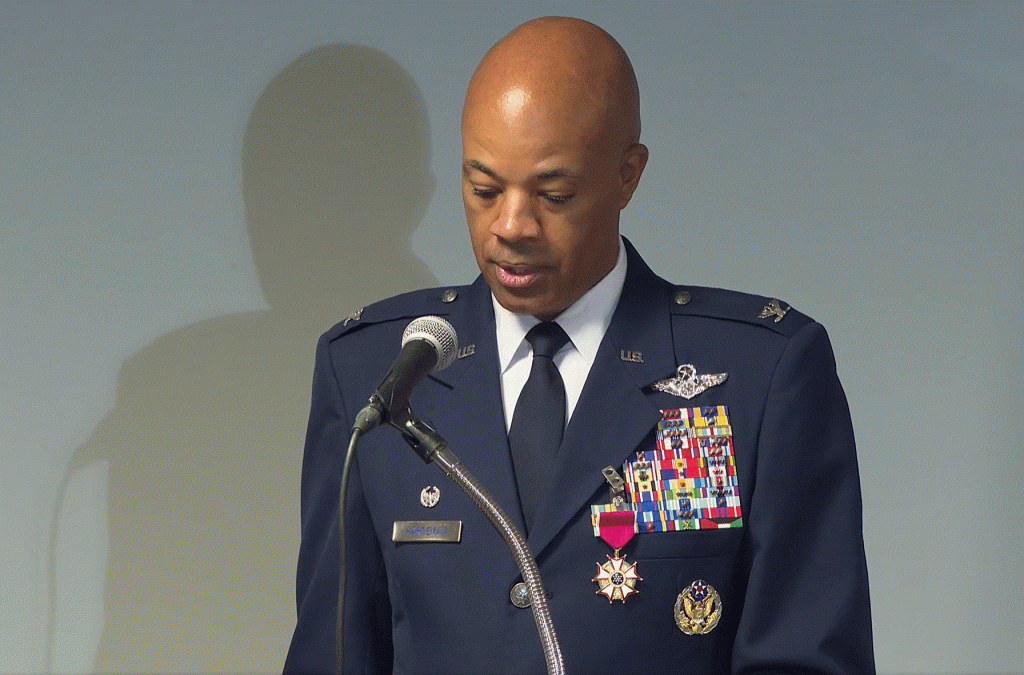
Brian Hardeman said Thursday that the United States must work with allies and partners “to deter our adversaries as China continues to expand into Africa and the Atlantic region.”
“The Department of the Air Force continues to innovate and accelerate in the face of countries such as the People’s Republic of China, which continues its military modernization program, and Russia, a destabilizing threat demonstrated by ongoing events in Ukraine,” the former commander added.
China is establishing itself on Africa’s Atlantic coast and may do the same in South America. In the Atlantic, the new trade routes cross.
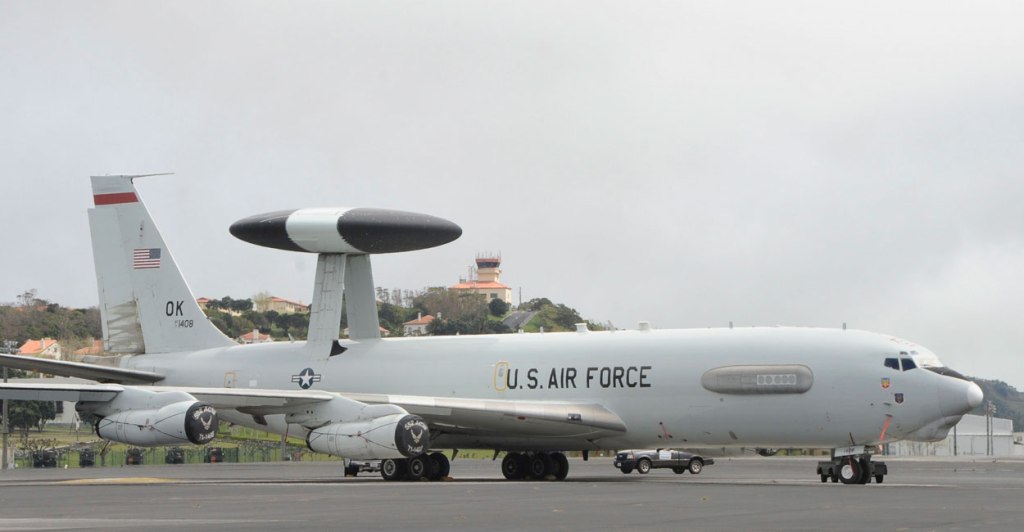
The Russian invasion of Ukraine is the other face of instability. Since 2018, the Lajes base has resumed search and hunt missions for Russian submarines with the new P-8 Poseidon aircraft.
“This new international geopolitics and geoeconomics is constantly changing. A concrete example is that nobody thought this could happen in Europe until the day before Russia invaded Ukraine. In supposedly civilized Europe. Look what happened in the last decade of the last century in the former Yugoslavia, Bosnia, and Kosovo. International relations are very unpredictable”, reflects Luís Andrade.
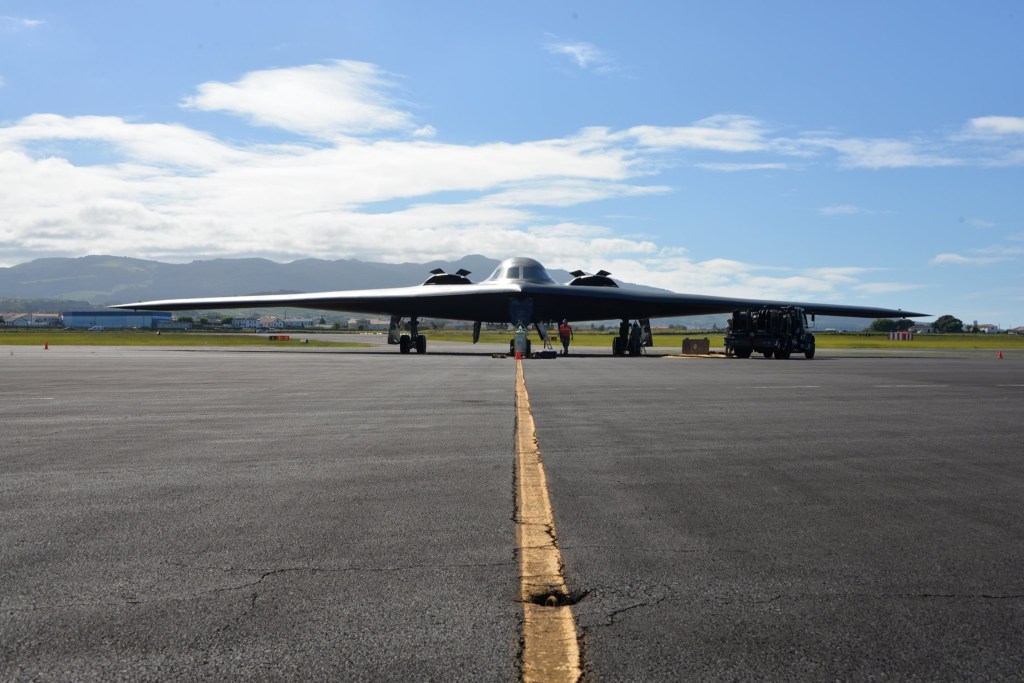
This unpredictability also explains, he argues, the “fact that the US will never abandon Lajes, at least in the near future,” since the base is “a key point for the United States, especially for the projection of power to North Africa and the Middle East”.
The value of the Azores does not end in the military domain. “The region is fundamental for oceanic and atmospheric research,” he recalls.
“I have always defended the importance of Lajes and the Azores, but you know there are always some prophets of doom for our land. Very well, they have their right. Sometimes, unfortunately, it has to be foreigners, in this case, the Americans, who say that,” he laments.
The international relations expert does not venture to predict the balance of power in the Atlantic in a few decades between the United States, China and Russia. “Nobody knows. There are different perspectives now. China is gaining an increasingly dominant role on the international political scene, especially from an economic, financial, commercial, and not yet military point of view. The United States is still, from that point of view, the biggest military power in the world. Now China is increasingly betting on the military component. Nobody knows if there will ever be military parity between the United States and China,” he points out.
In an interview with “Diário de Notícias,” granted at the beginning of last month, the then-second US commander of Lajes Base, Shawn Littleton, maintained that, in the next 20 to 50 years, Lajes should be the “most strategically significant base that the US has access to in Europe.”
The military officer, who stressed that his position does not reflect official Air Force or US administration policy, believes that China will have a presence on the South American and African coasts in the Atlantic.
“The ability to exercise control in the mid-Atlantic from the Azores requires only modest investments, but it mandates dramatically disproportionate investments by China in the peripheral regions of the Atlantic,” he framed.
“The diplomatic value of ensuring that safe and predictable access to a global commons like the Atlantic remains open to all helps maintain the international rules-based order in which America and Portugal cooperate. Due to the simple reality of geography, these are advantages that the US cannot replicate by operating from elsewhere. Lajes is essential,” he said.
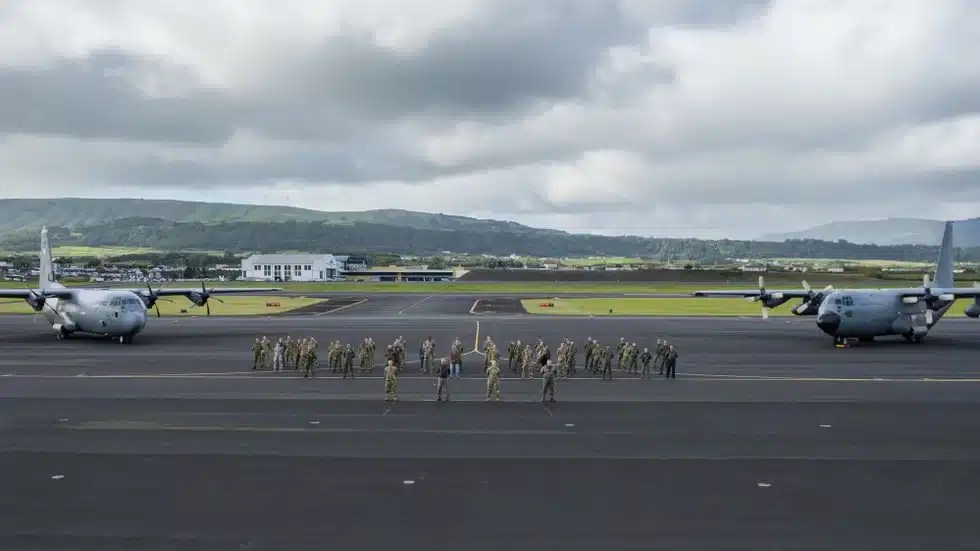
The Base has a new commander – Christopher Boyd returns to Terceira 20 years later.
The United States of America’s detachment at Lajes Base has a new commander, Christopher Boyd, who returns two decades after serving at the military infrastructure. The financial expert has experience in the Pentagon and Europe.
For Boyd, this is a “time when the US and allies face new and unprecedented challenges across the globe.”
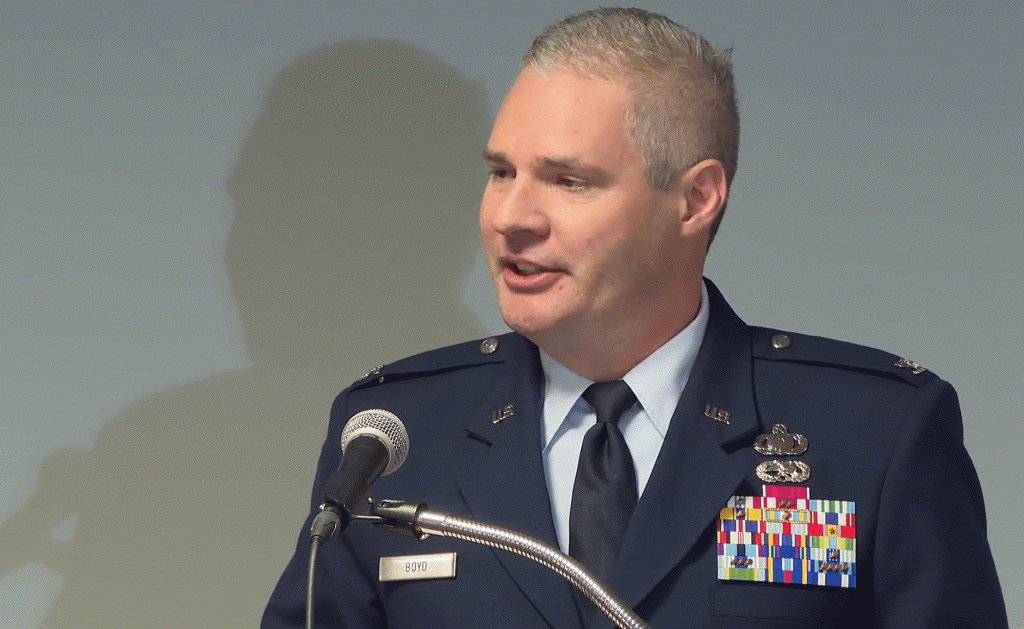
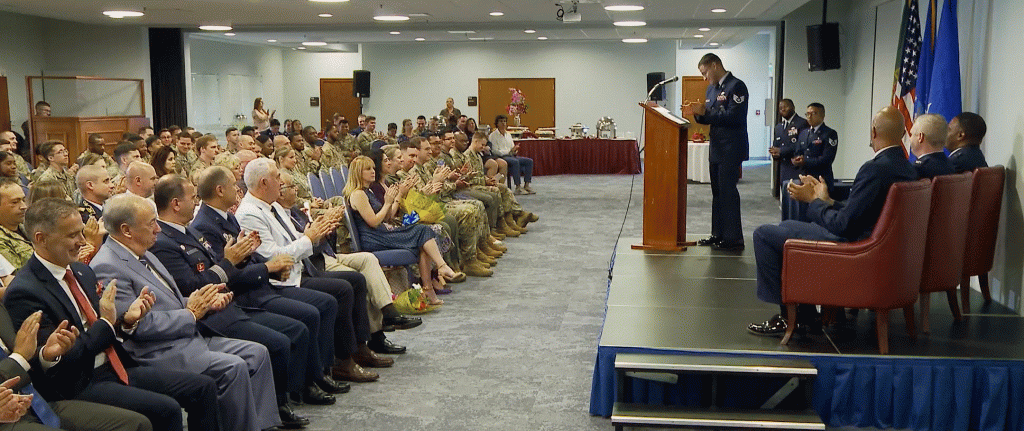
“Without question, the power and strength of the 65th Air Base Group in its support operations is anchored by the relationship, founded on trust, with our partners, as we do our part to support NATO, the strongest alliance in history collectively,” he said at the command’s surrender ceremony last Thursday.
Boyd expressly assumes the leadership of the “65th Air Base Group”, which includes the military bases of Lajes and Morón in Spain.
The former US commander, Brian Hardeman, argued that it is necessary to develop the “vision” for Lajes and Morón outlined for the period up to 2030. “Nothing would be more tragic than to stop at this point,” he said.
Recently, Hardeman admitted a reinforcement of means at the Lajes Base without advancing numbers or dates and the possibility of changing the commissions from 12 to 24 months, with the military personnel bringing their families to Terceira.
This news story is from the newspaper Diário Insular, José Lourenço, director.
Translated to English as a community outreach program from the Portuguese Beyond Borders Institute (PBBI) and the Modern and Classical Languages and Cultures Department (MCLL) as part of Bruma Publication and ADMA (Azores-Diaspora Medial Alliance) at California State University, Fresno.
https://www.facebook.com/65abg.lajes/videos/669881585040128/
 Novidades - The Islands and the Diaspora