

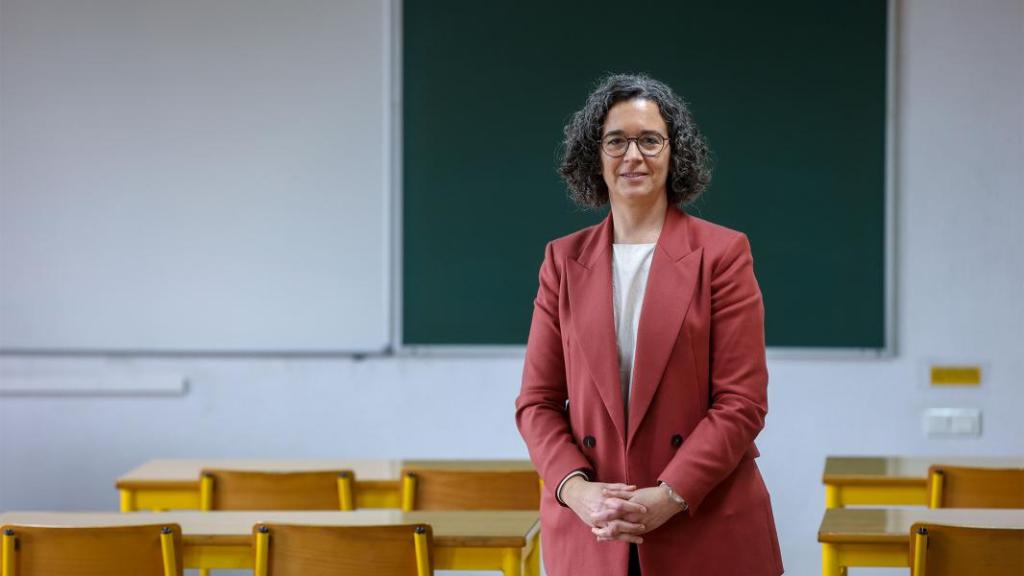
“‘Standard” education has been renamed “General” education,” and “greater legislative autonomy for specific education and training programs” has been introduced. These are some changes to the Regulations for the Administrative and Pedagogical Management of Students, published yesterday in the Official Registry.
According to the Regional Secretary for Education and Cultural Affairs, Sofia Ribeiro, the new methods of running schools will enable “the construction of more diverse, dynamic, appealing and innovative learning environments.” “The XIII Government of the Azores has brought about diverse and profound regulatory changes, taking into account the new educational paradigms in the teaching-learning processes, the efficiency and consolidation of the autonomy of the organic units, and even greater stability and recognition of education professionals,” she said, quoted in a press release.
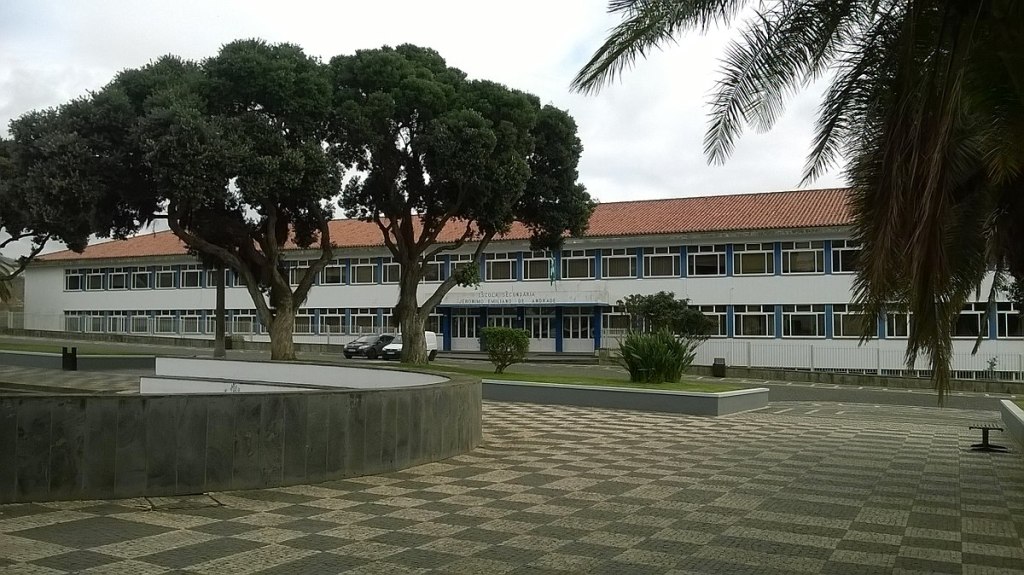
One of the most significant changes in the new Regulations for the Administrative and Pedagogical Management of Pupils is the designation of education, which was previously classified as “regular” and which will now be called “general,” in a strategy of “valuing other paths of educational specialization, such as artistic and professional education.”
The Ministry also highlights “the legislative autonomy of specific education and training programs” as part of introducing the Inclusive Education model in the region, which will now have its legislative document.
Another change is safeguarding “school enrollment and transportation conditions for students in shared custody or under protection measures from judicial bodies or child and youth protection commissions.”
The new regulations also extend the daily opening hours of schools with the first cycle of schooling, within the scope of the autonomy of management by the organic units, and allocate teaching time to sports education.
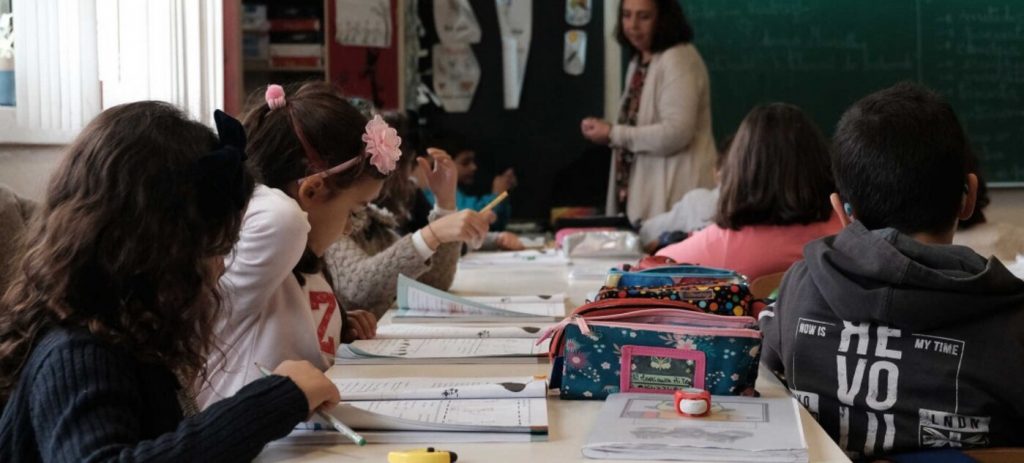
It also provides for far-reaching changes in artistic education, resulting from proposals presented by the Regional Conservatoires, which, according to the authorities, will be more demanding and give more options in the system of modalities and with the creation, in the Region of primary artistic education in drama/theater in the 2nd and 3rd cycles of education, thus giving a much bigger emphasis to the arts.
In Diário Insular, Terceira island, José Lourenço-director
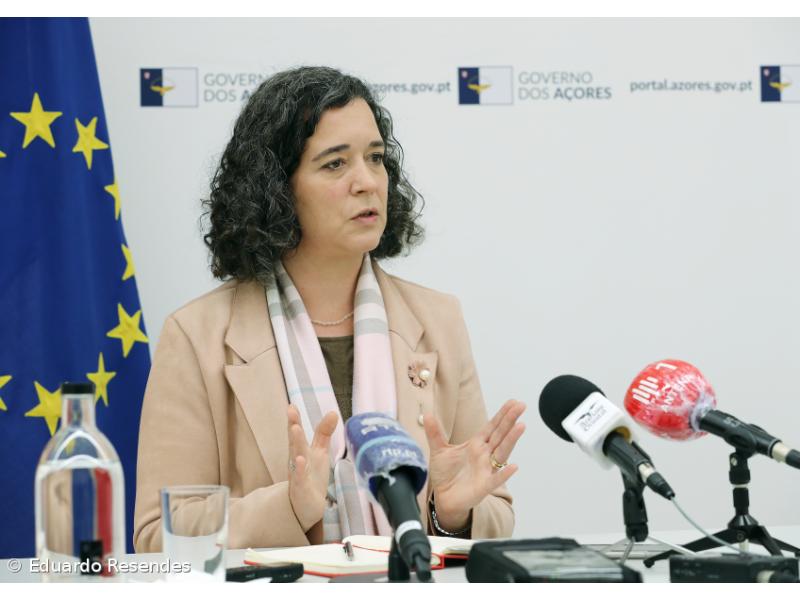
Biography of the Regional Secretary
Sofia Heleno Santos Roque Ribeiro, born in Ponta Delgada in 1976, has a degree in Mathematics (teaching) from the University of the Azores, where she also completed a postgraduate course in School Administration and Organization.
A secondary school teacher, she taught in various regional schools from September 1999 to August 2005.
She was a union leader for the Democratic Teachers’ Union of the Azores (2004-2014), of which she was President from 2010-2014. As part of her union duties, she was Vice-President of UGT-Açores (2010-2014), a member of the National Secretariat of the National Education Federation (2005-2014), a member of the Regional Consultative Commission for Women’s Rights (2007-2010) and a member of the Regional Strategic Coordination Council of the Autonomous Region of the Azores (2010-2014).
From July 2014 to July 2019, she served as a Member of the European Parliament as part of the Portuguese delegation of the European Popular Party, nominated by the Portugal/Azores Alliance. In this context, she was a full member of the Committee on Employment and Social Affairs and the Delegation for Relations with the United States and an alternate member of the Committee on Agriculture and Rural Development and the Delegation for Relations with Canada.
A teacher at the Lagoa Secondary School, where she taught from September 2019 to November 2020, she took office as a Member of the Legislative Assembly of the Autonomous Region of the Azores on 16-11-2020, elected by the PSD-Açores, having subsequently joined the XIII Regional Government of the Azores, of which she took office as Regional Secretary for Education on 24-11-2020.
Translated to English as a community outreach program from the Portuguese Beyond Borders Institute (PBBI) and the Modern and Classical Languages and Cultures Department (MCLL) as part of Bruma Publication and ADMA (Azores-Diaspora Medial Alliance) at California State University, Fresno.
 Novidades - The Islands and the Diaspora