


The Azorean economist and President of the Chamber of Commerce and Industry of Ponta Delgada, Mário Fortuna, warned of the impact that tourism has on various sectors of professional activity in the region, stating that “tourism in the Azores attracts people and has a future – let’s build it.”
Mário Fortuna was speaking at a conference in Lajes do Pico, where he analyzed tourism in the Azorean economy, namely its importance, impacts, diversity, and resilience.
Regarding the impact on the demographics of the Azores, the economist and university professor warned that “if tourism were to be reduced by 50%, this would mean the loss of around 10,000 jobs that would not have the option of being occupied in other sectors. The result would be a more negative migratory balance and population losses greater than those seen between the last two censuses”.
He added: “If each job is associated with an additional dependent, the population loss could be more than 20,000 people instead of the 10,000 that actually occurred. The impact would be great on all the islands, but particularly great on the smaller islands with less diversified economies.”
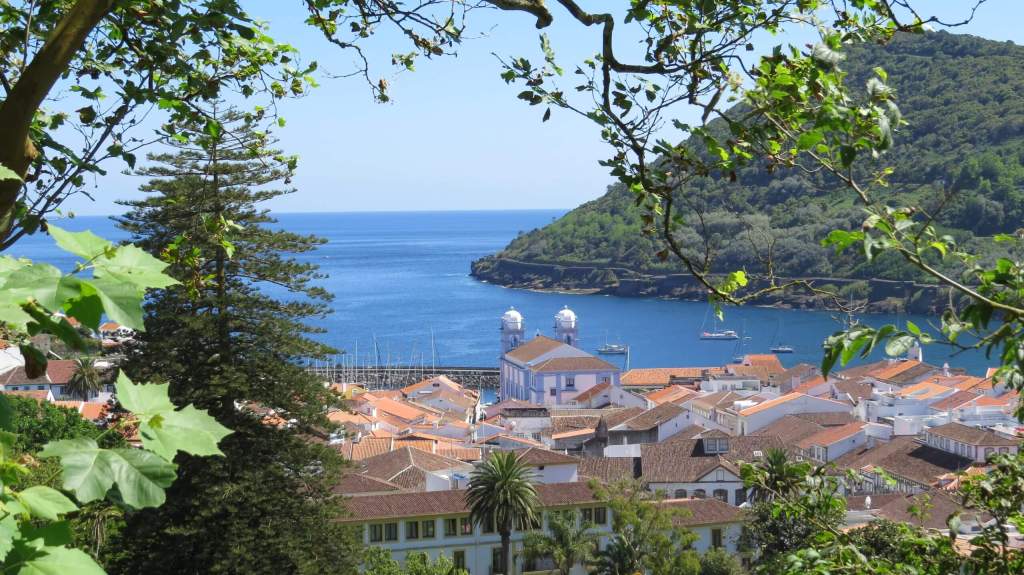
Without tourism, air transport would be drastically reduced
Regarding the impact on connectivity, he said that “without tourism, the need for air transport would be drastically reduced – we have around 1 million visitors a year. This would imply a very sharp drop in seat requirements and a corresponding reduction in rotations, resulting in a lower quality of service for residents.”
As for notoriety, Mário Fortuna believes that “tourism definitely contributes to making any region known to the world and generates empathy with the regions visited. With the growth of tourism, the Azores have become better known in the world and have better opportunities for prosperity”.
Regarding the impact on the environment, he has no doubt that “tourism has led to more attention being paid to the environment in the Azores and more resources being devoted to preserving it. It’s part of the strategy adopted for tourism. I can’t dissociate tourism in the Azores from environmental concerns”.
And he stresses: “With tourism we will have more pretext and more resources to deal with the environment since this sector, like others, contributes a lot to regional tax revenue. It’s also fair to say that, in general, the tourists who come to the Azores do so very much for nature and are citizens who respect good environmental practices.”
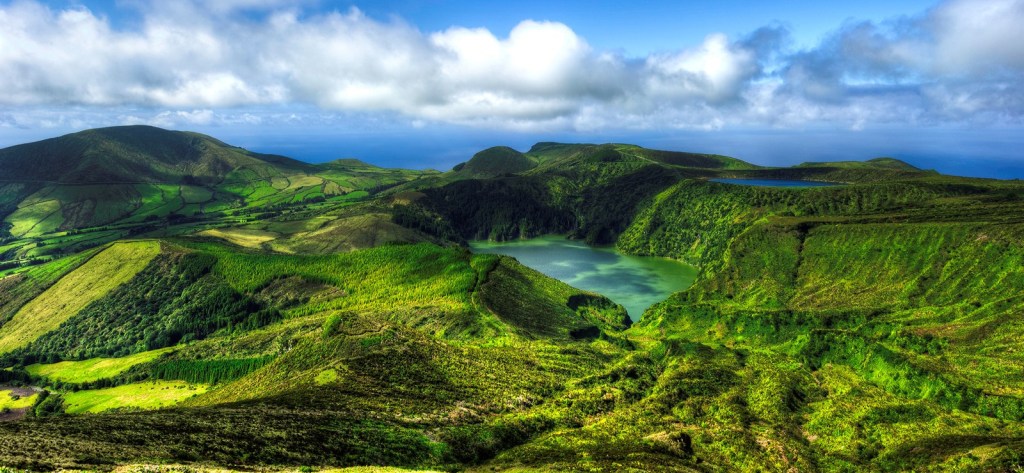
Tourism generates added value per year equivalent to the entire 5-year RRP
The Azorean business community leader also analyzed tourism’s impact on infrastructure, saying that “tourism justifies the development of infrastructure that would not otherwise happen. These are roads, trails, ports, airports, interpretive centers, and cultural and sporting events, just a few examples.”
He stresses that “the infrastructure improvements created to improve the tourism offer will also be for the enjoyment of residents who, otherwise, might not be able to continue living in the Azores. Every year, tourism generates added value equivalent to the entire five-year RRP for the Azores. It’s frustrating that investment in infrastructure doesn’t always keep pace with needs”.
He gave the mountain of Pico as an example, adding that “we have a deficit of tourist infrastructure in the Azores and there are two options: either we halt the progress of tourism and stop having more jobs and the capacity for demographic recovery, or we invest seriously in the infrastructure of this sector.”
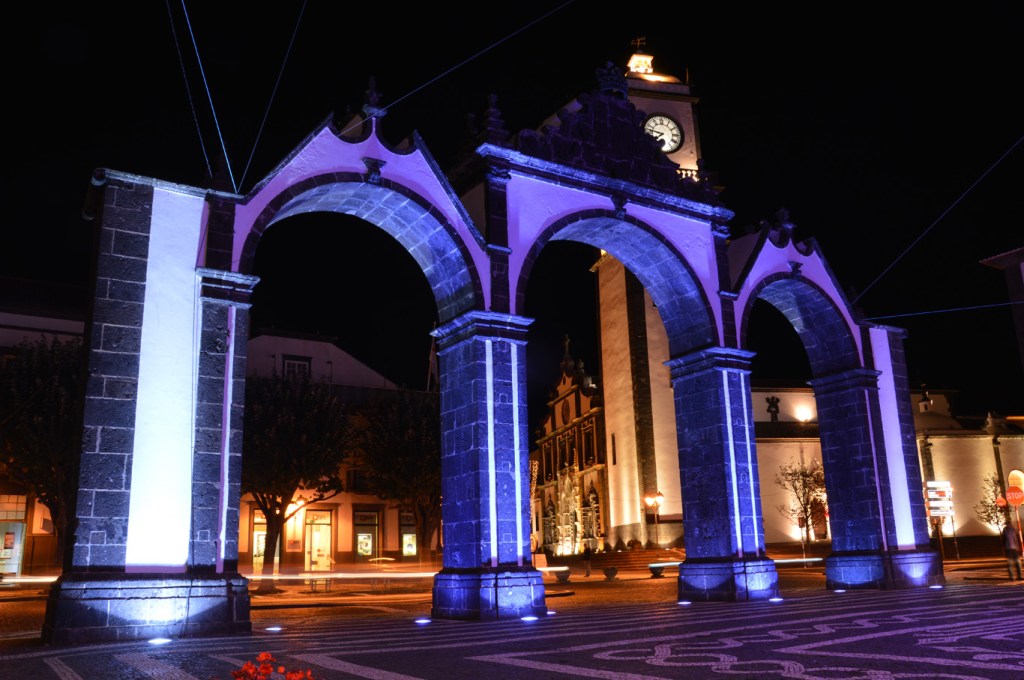
“If a monument (natural or otherwise) is in high demand, either we prepare it for this demand or we block its use. At the end of the day, the monuments are closed and the product is gone. At that point we no longer have anything to sell and demand disappears elsewhere,” he concludes.
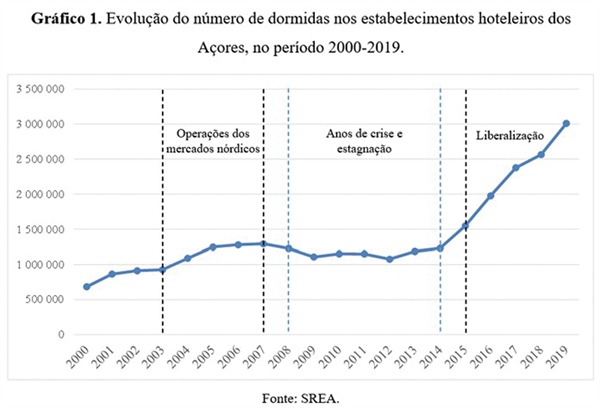
Mário Fortuna analyzed the sector’s evolution in the Azorean economy in detail with various graphs and figures, concluding that “the tourism that demands the Azores is diversified, and that’s a good thing. But it is above all leisure and exploration and respectful of nature, as well as family and religious”.
From Diário dos Açores, Osvaldo Cabral, director
Translated to English as a community outreach program from the Portuguese Beyond Borders Institute (PBBI) and the Modern and Classical Languages and Cultures Department (MCLL) as part of Bruma Publication and ADMA (Azores-Diaspora Medial Alliance) at California State University, Fresno.
 Novidades - The Islands and the Diaspora