

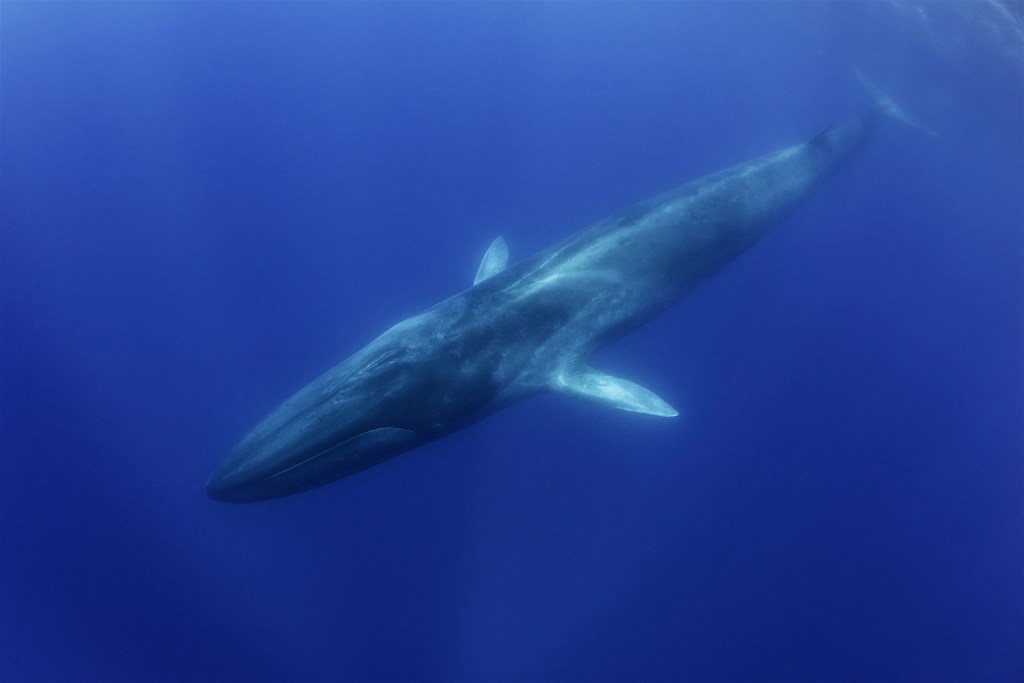
More and more scientific information is identifying the Azores as a “service area” for blue whales in the Atlantic.
The topic is highlighted on the website of National Geographic Portugal in an article that states that blue whales “spend much more time in the waters of the Azores than we thought.”
The article focuses on the work carried out by researchers from the Cetacean Ecology Group of the Okeanos Institute at the University of the Azores.
“By tracking movements and migratory routes since 2009, Mónica Silva’s team has identified critical areas for the reproduction, feeding and resting of this and other whales,” says NationalGeographic.
The publication notes that a decade ago, the team published the first article stating that “tagged blue and fin whales seemed to suspend their spring migration in the mid-latitudes of the Atlantic as if they were accumulating energy reserves for the rest of the journey.”
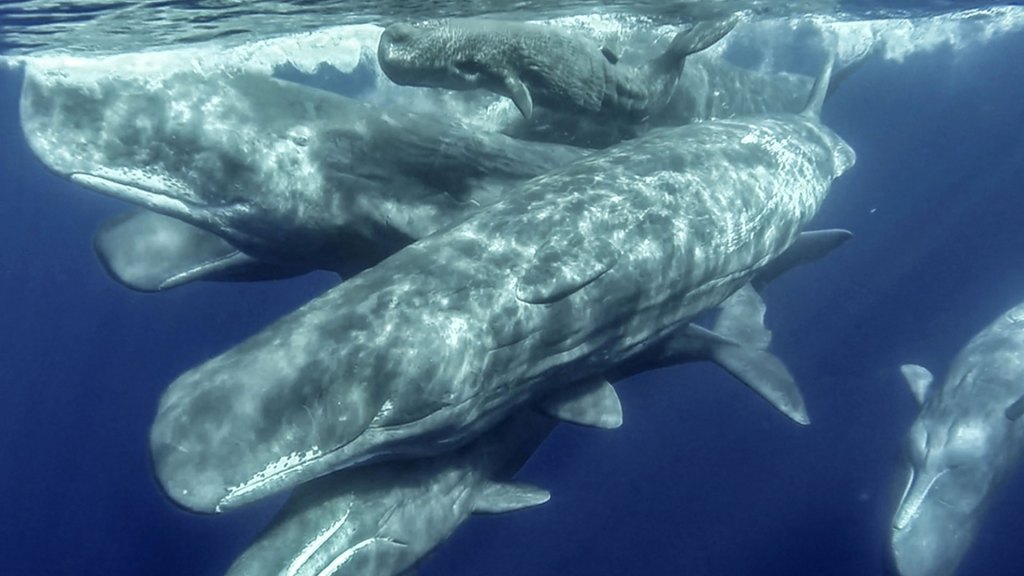
“Never had the metaphor of the Azores as an Atlantic service area made so much sense,” says National Geographic.
“Since then, Mónica Silva and Rui Prieto, along with other researchers, have been accumulating information voraciously. In just over a decade, they have published articles on movements, times of year, destinations and behaviors before and during major ocean voyages, combining different monitoring methodologies,” we read.
The biodiversity of the Azorean Sea is increasingly attracting the scientific community’s interest.
In June, as part of the GLEX Summit, which took place in Angra do Heroísmo, Emanuel Gonçalves, a member of the board of directors and chief scientist of the Oceano Azul Foundation, argued that the sea conservation efforts being made by the region could have an impact on the entire North Atlantic.
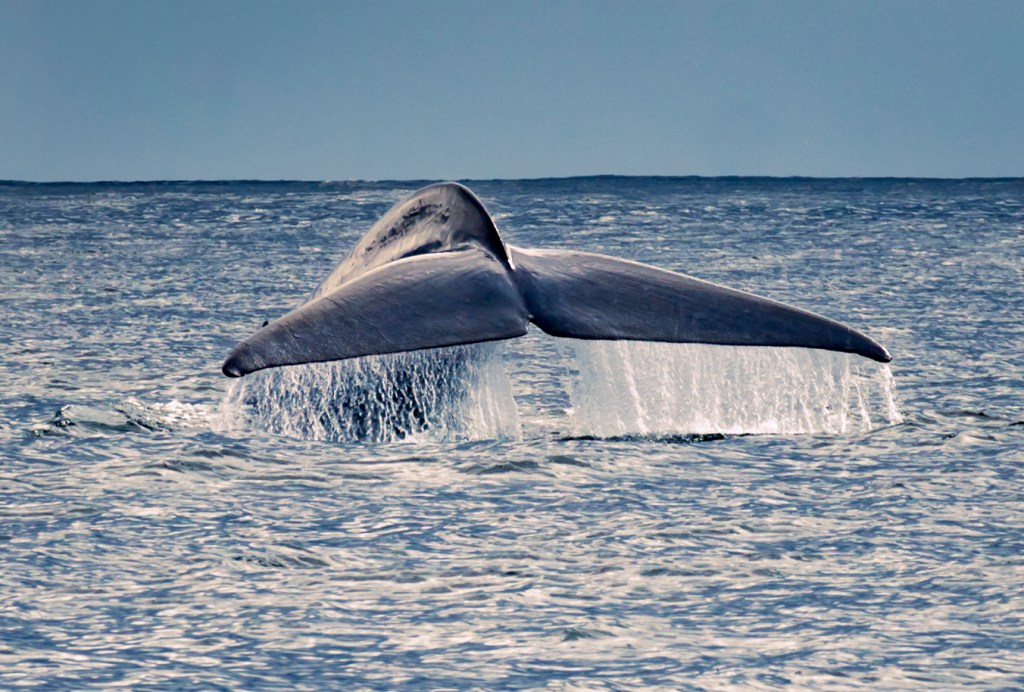
The Regional Government’s target for this year is to protect 30% of the Azorean sea.
“The Azores are at a crossroads in the Atlantic and are still an example of sustainability from that point of view. This path of valuing nature is one in which species don’t just stay here. Many are migratory and travel all over the Atlantic,” said the Oceano Azul Foundation’s chief scientist at the time.
In Diário Insular, José Lourenço-diretor
 Novidades - The Islands and the Diaspora