

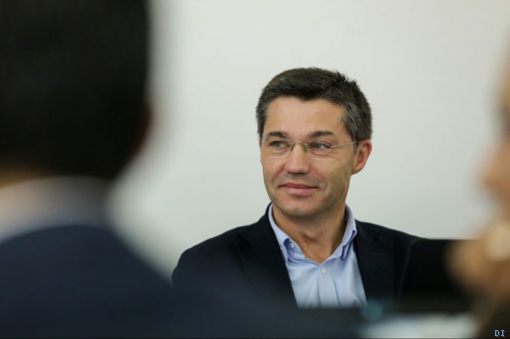
The use of artificial intelligence (AI) tools could pose political risks and jeopardize the democracy we are used to.
The warning was made by the President of the Legislative Assembly of the Autonomous Region of the Azores (RAA), Luís Garcia, at the opening of the 22nd Portuguese Conference on Artificial Intelligence, taking place in the city of Horta, Faial.
The Social Democrat admits that “in the case of Artificial Intelligence, it is effortless to turn it to good or evil, depending on the objective of those who work with it, not least because it is an extremely effective tool for strengthening power and destroying it.”
Garcia calls for its use to be done with a sense of ethics and responsibility, thus preventing democracy from being undermined. He insists on avoiding situations “that put people and sustainability at risk.”
“We must never forget that democracy is a precious asset, which took a long time to conquer, but which can be lost in the blink of an eye or, in this case, at the click of the ‘enter’ key,” recalled Luís Garcia to the national and foreign researchers present at the event to debate the future of the new Artificial Intelligence tools.
The Portuguese Conference on Artificial Intelligence started Tuesday, September 6th, and ends on Friday, September 8th.
The event brings together around 150 scientists worldwide to discuss the future of Artificial Intelligence in the city of Horta, Faial.
The event, organized by the Portuguese Association for Artificial Intelligence (APPIA) in partnership with the University of the Azores and the Okeanos Marine Research Institute, has 17 panels covering ethics, medicine, law, agriculture, fisheries, tourism, energy, and transport.
“The potential of artificial intelligence is immense, and it is precisely its application, in the most diverse areas, that could bring important innovations, with the potential to help solve urgent problems in society, such as, for example, the sustainability of our seas,” emphasizes Nuno Moniz, professor at the University of Notre Dame (Indiana, USA) and head of the event.
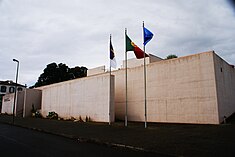
Gui Menezes, Director of the OKEANOS Research Institute, who is also responsible for the organization, agrees with Nuno Moniz’s idea. He adds that “the complexity of natural phenomena and growing anthropogenic impacts, technological evolution and the increase in ocean monitoring and sensing require the use of increasingly sophisticated analytical, data storage and processing tools.”
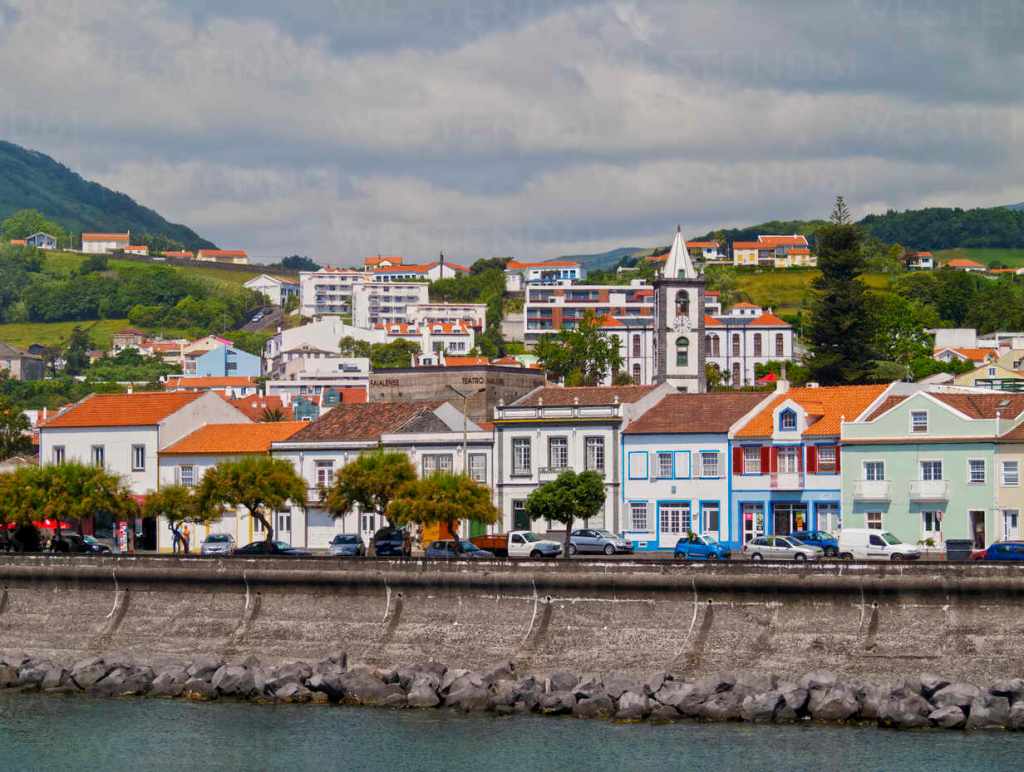
This is the second time the Azores have hosted this meeting; the previous one was in Angra do Heroísmo, on Terceira Island, 10 years ago.
from Diário Insular, José Lourenço-director
Translated to English as a community outreach program from the Portuguese Beyond Borders Institute (PBBI) and the Modern and Classical Languages and Cultures Department (MCLL) as part of Bruma Publication and ADMA (Azores-Diaspora Medial Alliance) at California State University, Fresno.
 Novidades - The Islands and the Diaspora