

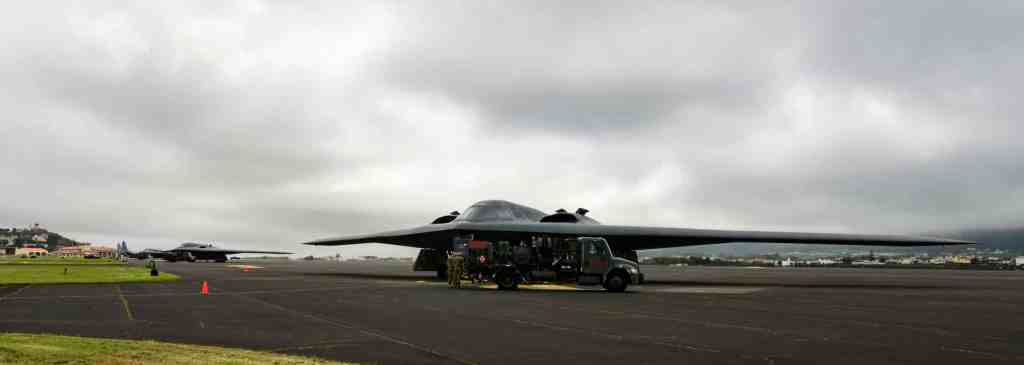
A B-2 Spirit bomber from Whiteman Air Force Base, Missouri, carried out a hot pit refueling operation at the Lajes base on September 12, 2023 – according to the US Air Force Command in Europe and Africa and the US embassy in Lisbon.
Hot pit refueling takes place while the engines are running. “This process means that less time is wasted, as the aircraft does not have to shut down completely to refuel and only then restart the engines,” explains the note sent to us by the embassy.
This is considered a rare occurrence and underlines “the firm dedication of the United States and Portugal to deterring potential threats and strengthening the NATO alliance.”
According to the documents we have been quoting, the action in question “serves as testimony to the enduring bonds of this vital international partnership.”
The two documents state that “this was the first time that a B2 Spirit bomber made a stopover at Lajes”, which must be an oversight since there are several references to this type of bomber passing through Lajes and hot pit refueling.
In March 2021 alone, for example, B-2 Spirit bombers belonging to the 509th Bomb Wing from Whiteman Air Force Base, Missouri, were at Lajes more than once.
At the time, a statement from the home base said that “the B-2s will rely on the strategically located Lajes base to carry out essential tasks during upcoming Bomber Task Force missions”.
The note now issued by the US Air Force command in Europe and Africa once again insists on the “strategic importance of the Azores,” which is omitted from the version released by the US embassy in Lisbon.
VITAL TESTS
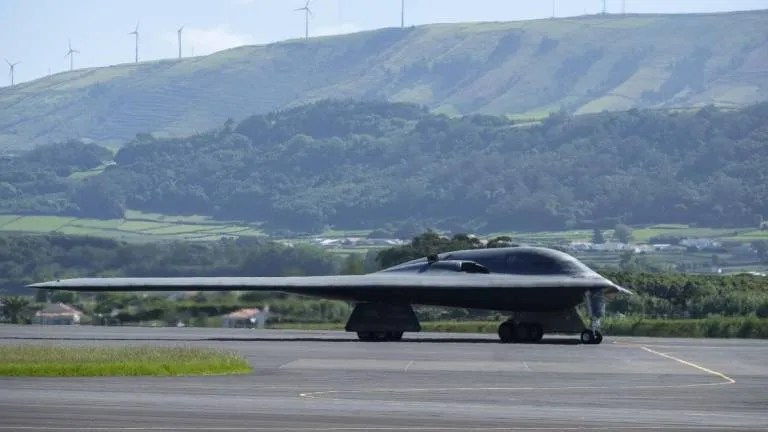
After the hot pit refueling procedure, the B-2 Spirit bomber returned to Whiteman Air Base, Missouri, AFTER a month at Keflavik Air Base in Iceland.
According to the notes we’ve been following, hot pit refueling is a differentiating factor. “It relieves pressure on an overstretched tanker fleet by offering the chance to refuel on the ground and take advantage of the capabilities of our allies and partners,” said Lieutenant Colonel Andrew Kousgaard, Commander of the 393rd Expeditionary Bombardment Squadron.
“It also reduces the risk of aircraft malfunctions and the amount of time spent on the ground because, with properly certified equipment and crews, we can fill up with the fuel we need without shutting down the aircraft,” he explained.
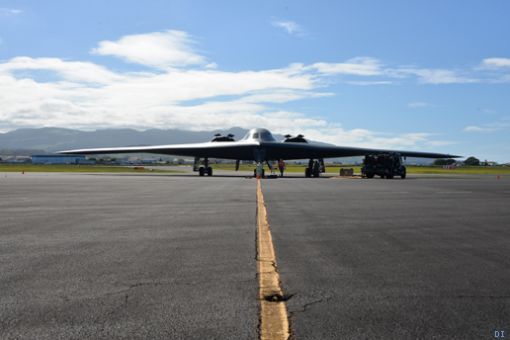
As the Bomber Task Force missions continue to unfold in Europe, the refueling mission at the Lajes base “demonstrates the unwavering partnership between the United States and Portugal” and “underscores the NATO alliance’s strong ability to work harmoniously to skillfully address a broad spectrum of global challenges,” says the embassy statement, written in Portuguese.
The ability of the US armed forces and equipment to collaborate harmoniously with allies and partners “is fundamental in establishing a broad network of alliances and partnerships capable of decisively confronting the multifaceted challenges of today and the future, according to Lieutenant Colonel Kousgaard.
The US military officer, quoted in the documents we referred to, stressed the importance of interoperability with allies and using partner nations’ resources for refueling operations.
Anyone interested in more information and images related to Bomber Task Force Europe 23-4 can visit the official USAFE website at https://www.usafe.af.mil and the DVIDS at https://dvidshub.net/feature/bombertaskforceeurope.
CAPABILITIES
The B-2 Spirit, or the Stealth Bomber, is a stealthy strategic bomber designed to penetrate high-density anti-aircraft defenses without detection. It was designed on a model known as the flying wing.
It can launch conventional and thermonuclear weapons, such as Mark 82 JDAM bombs guided by the global positioning system (GPS) or sixteen 1100 kg B83 nuclear bombs. The B-2 is the only recognized aircraft that can carry air-to-ground missiles in a stealth configuration.
All this information is in the public domain via various websites.
in Diário Insular—José Lourenço, director
Translated to English as a community outreach program from the Portuguese Beyond Borders Institute (PBBI) and the Modern and Classical Languages and Cultures Department (MCLL) as part of Bruma Publication and ADMA (Azores-Diaspora Media Alliance) at California State University, Fresno.
 Novidades - The Islands and the Diaspora