

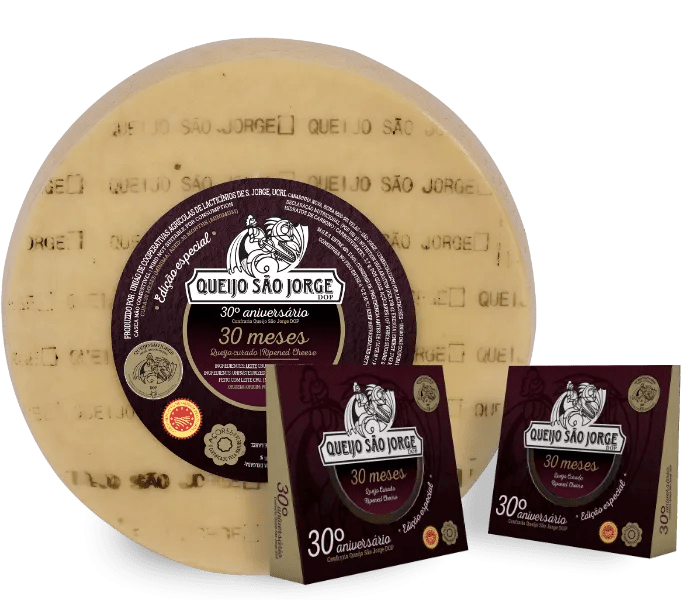
The Azores’ regional government will apply for the São Jorge PDO cheese to become a UNESCO intangible heritage item in 2024. The announcement was made by the Regional Secretary for Agriculture and Rural Development, António Ventura, who is confident that it will be approved.
“Due to its specificity and the way it is made, São Jorge cheese deserves to be nominated for a new world award, which can affirm and preserve its authenticity,” he said in statements to DI.
The response from the United Nations Educational, Scientific and Cultural Organization (UNESCO) “may take two years,” but the head of Agriculture believes he can apply in 2024.
“We’re going to set up a technical team, collect the history, which has already been partly collected, when it came to the application to become a PDO [protected designation of origin], talk about the present and the future,” he said.
The Regional Secretary for Agriculture believes that UNESCO’s recognition could “boost milk production, which has been falling,” and “increase producers’ income” in São Jorge.
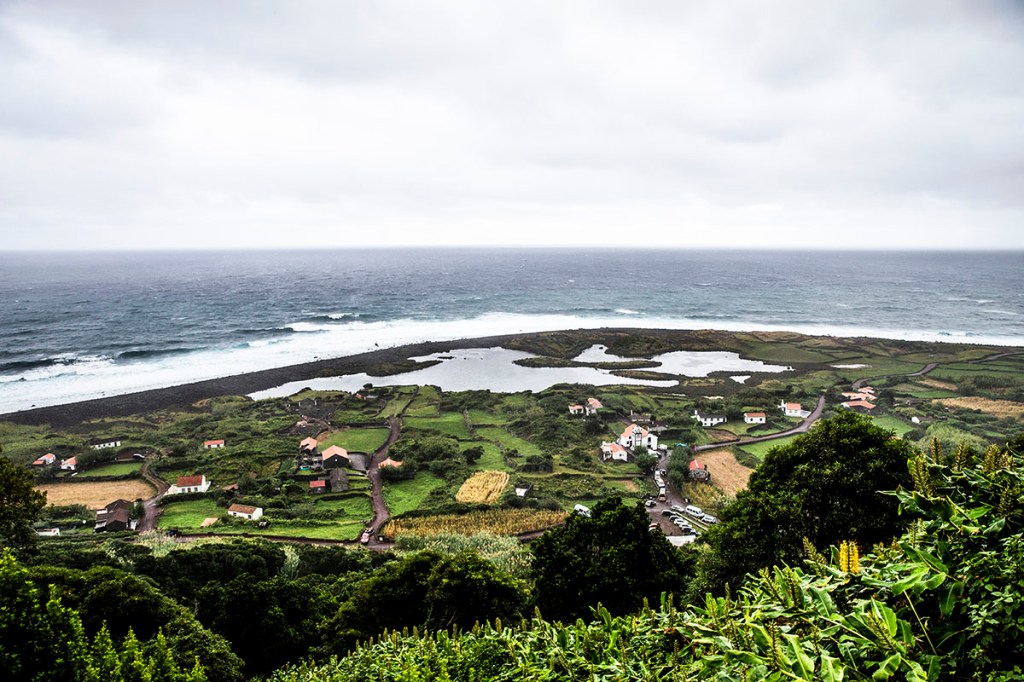
In 2022, the island produced 25.5 million tons of milk, with 201 producers, but saw a drop of “around 10%”.
“There is room for growth. The number of producers has been decreasing because milk production is an increasingly demanding activity, there’s a lack of labor, and the factors of production, as a result of the war, have been increasing,” António Ventura defended.
“It’s a demanding activity in terms of labor and with high production costs. Only by valuing the product can we increase yields,” he added.
For the Regional Secretary for Agriculture, the distinction as intangible heritage is a “new affirmation” for São Jorge cheese in the markets and attests to its difference with consumers.
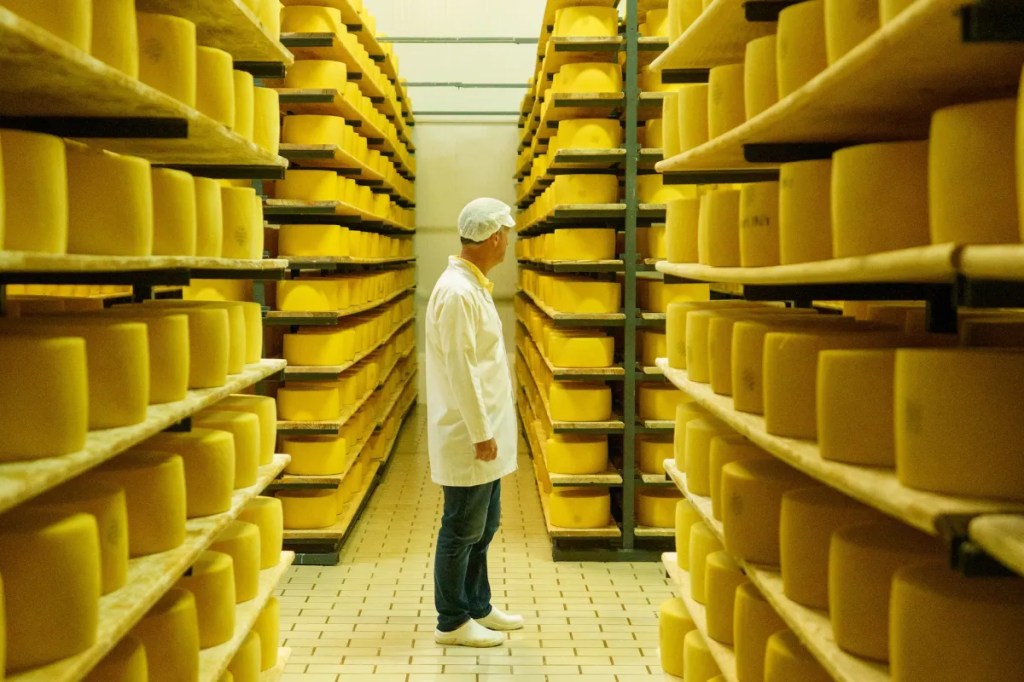
“Consumers are susceptible to the fight against climate change and sustainability, and this award brings this sensitivity that it is a product that complies with the standards of sustainability in food production, but also in the fight against climate change,” he said.
The government official believes that the “process of knowing how to make” São Jorge cheese justifies this new qualification.
“The know-how is something that has been perpetuated over the last four centuries, without change. This recognition of the history and persistence of a product made from raw milk is something that doesn’t happen much in Europe anymore and we think it has all the conditions to achieve this status,” he stressed.
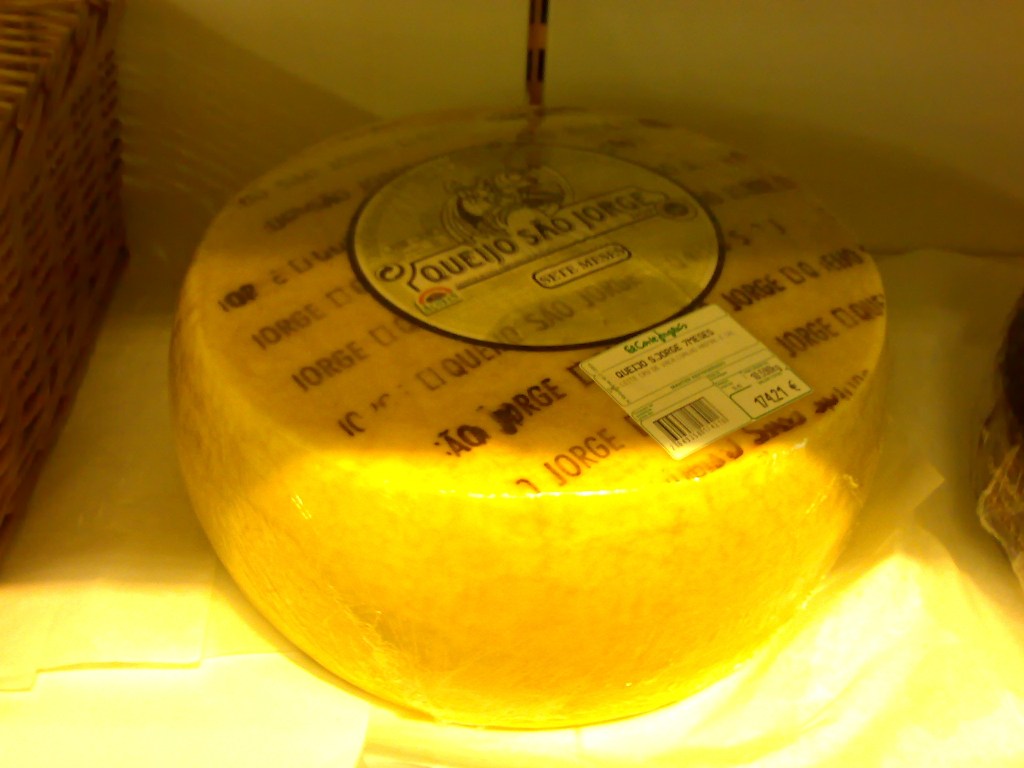
in Diário Insular–José Lourenço, director
Translated to English as a community outreach program from the Portuguese Beyond Borders Institute (PBBI) and the Modern and Classical Languages and Cultures Department (MCLL) as part of Bruma Publication and ADMA (Azores-Diaspora Media Alliance) at California State University, Fresno.
 Novidades - The Islands and the Diaspora