

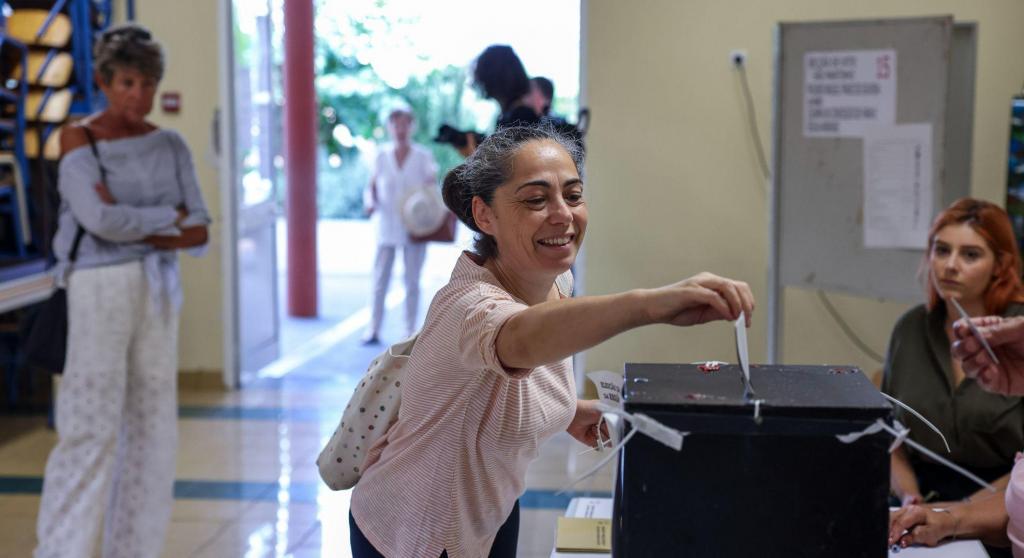
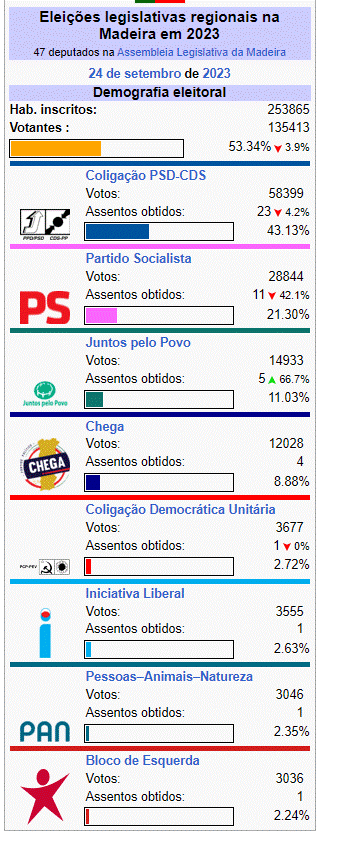
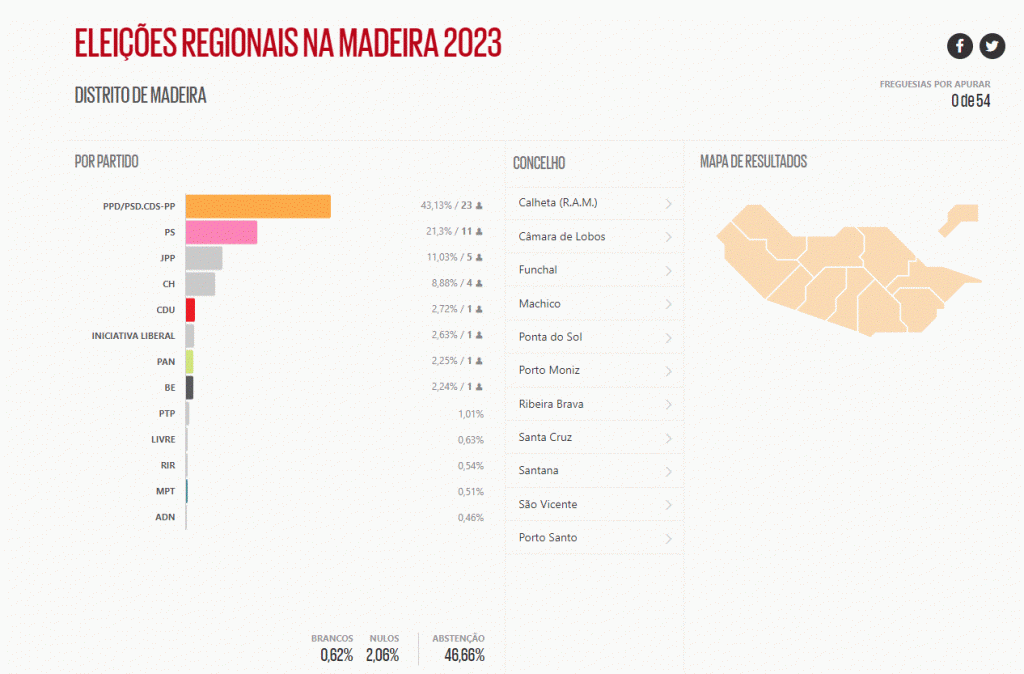
The center-right coalition between the PSD and CDS-PP won Madeira’s legislative elections this Sunday, with 43.13% of the vote (58,399 votes) and 23 seats in the regional parliament (one away from an absolute majority), according to provisional official figures, but did;t get a majority and must make an agreement with another political force.
The second most voted political force was the PS, with 21.30% of the vote and 11 seats, compared to 36.59% of the vote and 19 seats four years ago. Indeed, the PS was the big loser of this election cycle.

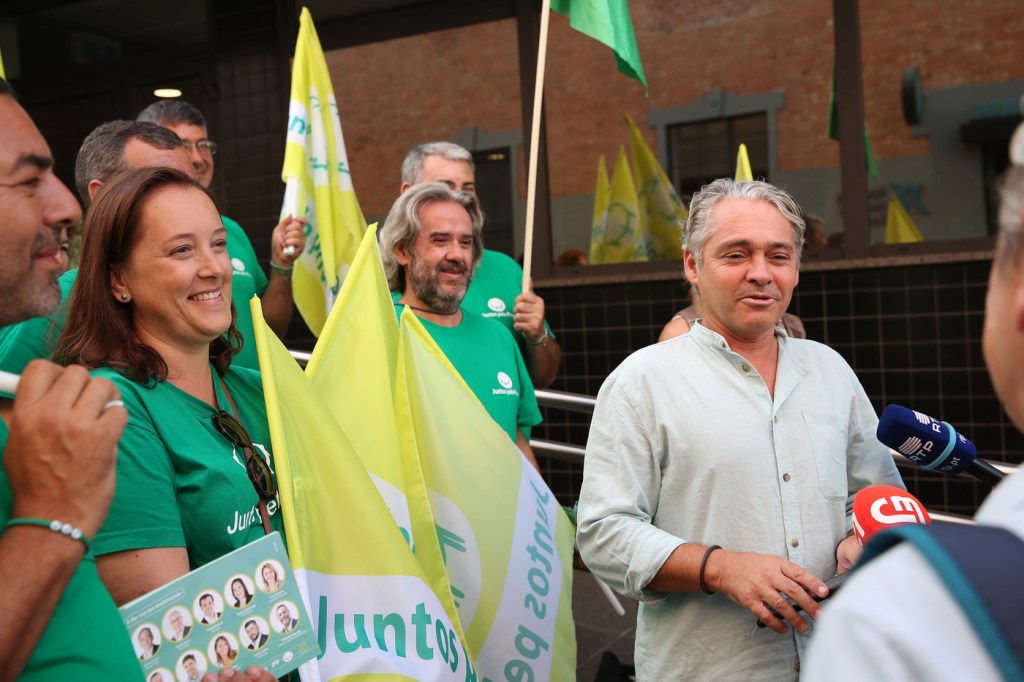
The JPP won 14,933 votes, representing 11.03%, and five mandates, compared to three mandates and 7,830 votes (5.59%) in 2019. This is a regional civic movement that has been growing in Madeira. All political analyses point to this movement being the big winner of the election cycle.
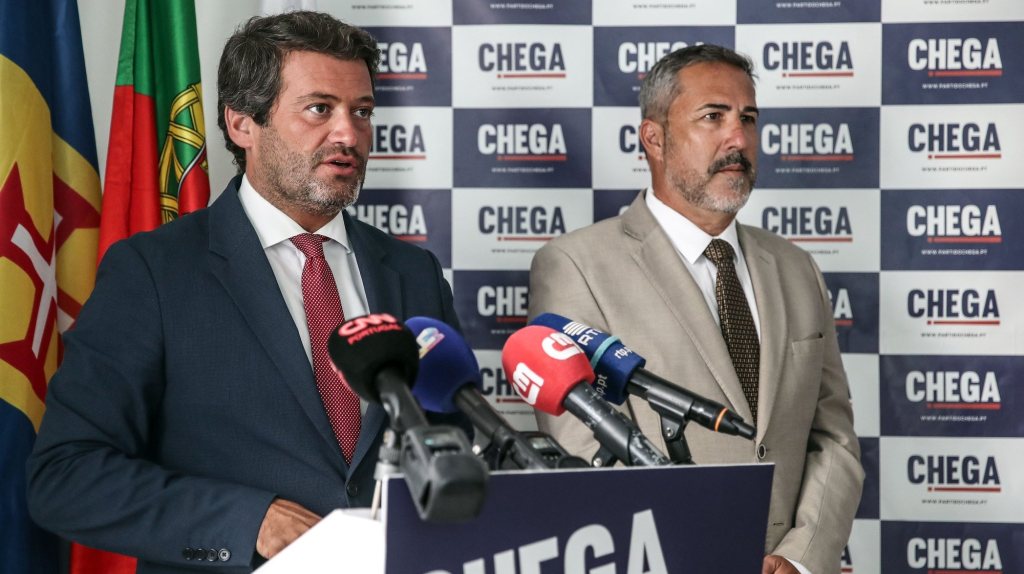
The fourth most voted political force was Chega (the extreme right party), which, in its second time on the ballot in Madeira’s regional elections, achieved 8.88% (12,028 votes). The party will make its debut in the regional parliament with four deputies.
In fifth place was the CDU (PCP/PEV) – the communist coalition- with 2.72% and 3,677 votes, allowing it to keep its single deputy in the regional parliament.
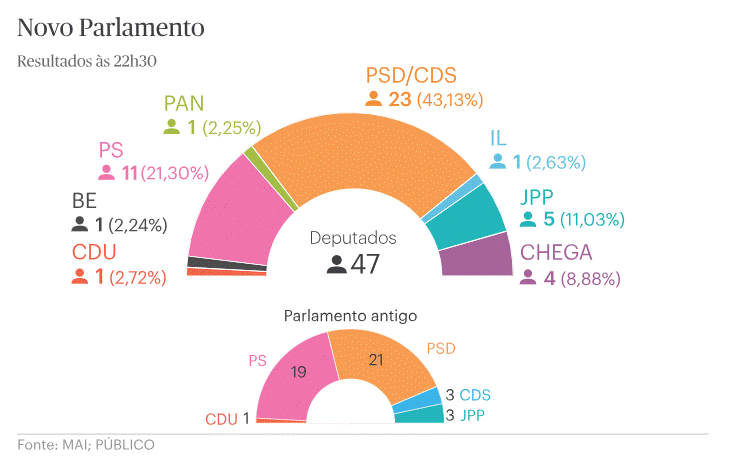
Next on the list of results were three parties that managed to elect one deputy each: the Liberal Initiative (a right-wing libertarian party), which will also be making its debut in the chamber after obtaining 3,555 votes (2.63%); the PAN (a left-leaning party for the rights of animal and nature), with 3,046 votes (2.25%), and the Left Bloc (a left-wing party), with 3,036 votes (2.24%).
For PAN and Bloco de Esquerda, this is a return to the Regional Legislative Assembly.
Smaller parties such as the PTP (1.01%/1,369 votes), Livre (0.63%/858 votes), RIR (0.54%/727 votes), MPT (0.51%/696 votes), and ADN (0.46%/617 votes) did not win any seats.
There were also 838 blank votes (0.62%) and 2,790 null votes (2.06%).
135,413 of the 253,865 registered voters voted in these elections, representing a turnout rate of 53.34% (or an abstention rate of 46.66%), so nearly half of all registered voters in Madeira chose to stay home.

in CNN-Portugal and Lusa News Agency
Translated to English as a community outreach program from the Portuguese Beyond Borders Institute (PBBI) and the Modern and Classical Languages and Cultures Department (MCLL) as part of Bruma Publication and ADMA (Azores-Diaspora Media Alliance) at California State University, Fresno.

 Novidades - The Islands and the Diaspora