

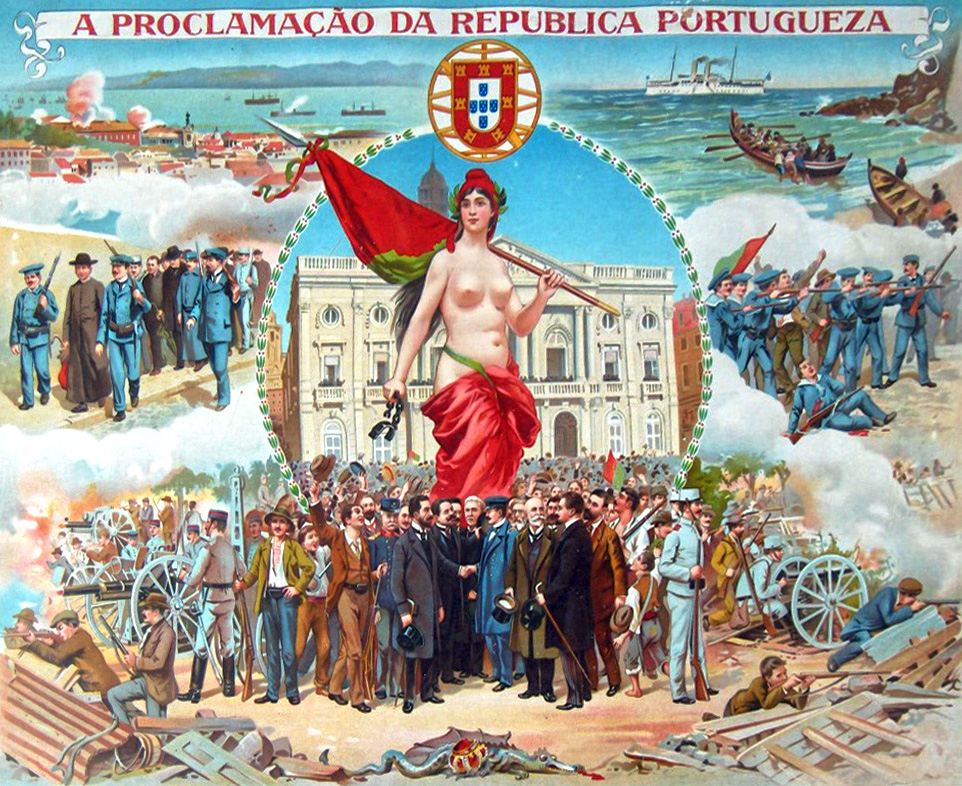
Portugal’s Republic Day is celebrated on October 5 every year, also known as ‘Implantation of the Republic’ in Portugal. This vital day marks the overthrow of the monarchy, the House of Braganca, in 1910. The monarchy had been in power since the 11th century and was replaced by a republican form of government in a bloodless revolution. It also brought about civil and religious liberties. It is a public holiday, with schools, state offices, and some restaurants being closed. Like other public holidays in Portugal, Republic Day is not moved to a weekday if it falls on a weekend.
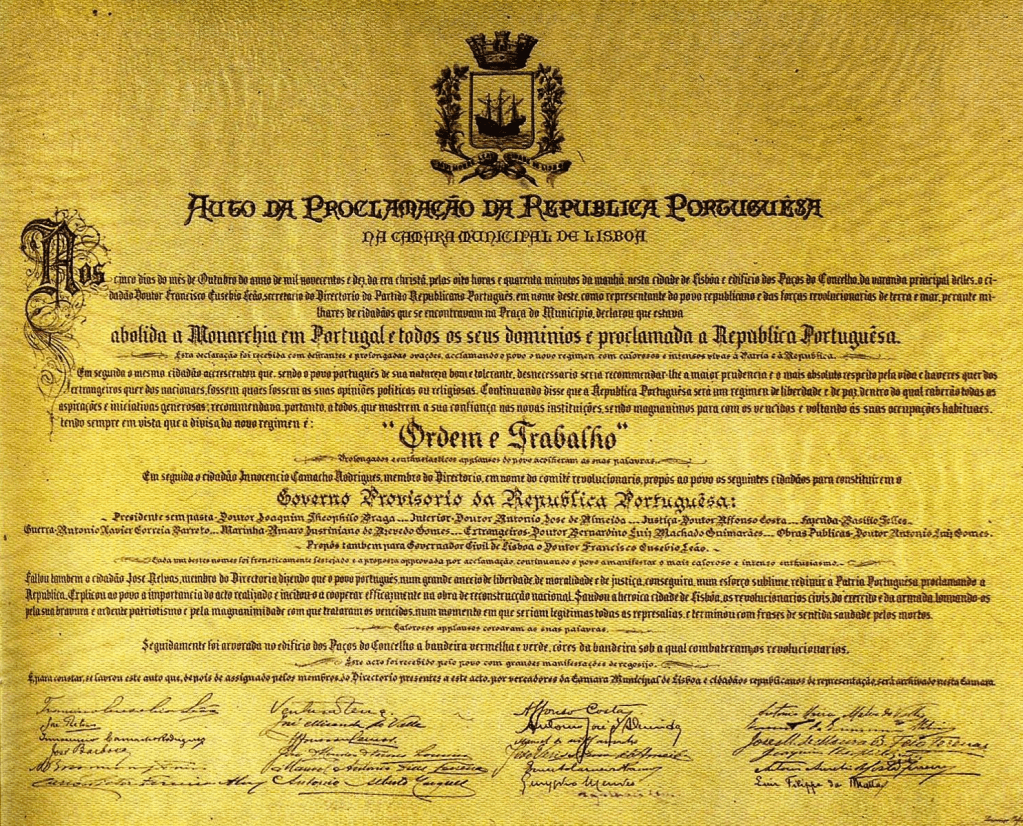
HISTORY OF PORTUGAL REPUBLIC DAY
Portugal’s Republic Day commemorates the deposition of the centuries-old Portuguese monarchy and the establishment of the First Portuguese Republic. It resulted from a coup led by the “Portuguese Republican Party.”
By 1910, the Portuguese Kingdom was in the middle of a crisis, with people increasingly resenting the royal family due to the 1890 British Ultimatum, which demanded the retreat of the Portuguese military forces from the territory between the colonies of Angola and Mozambique, the royal family’s expenses, the assassination of the King and his heir, transforming religious and social views, instability of political parties, Joao Franco’s dictatorship, and the regime’s inability to adapt to modern times. This national anger helped proponents of the Republican Party to take advantage of the situation. The party skillfully presented itself as the only one capable of returning the country to its original glorious status and advancing its progress.
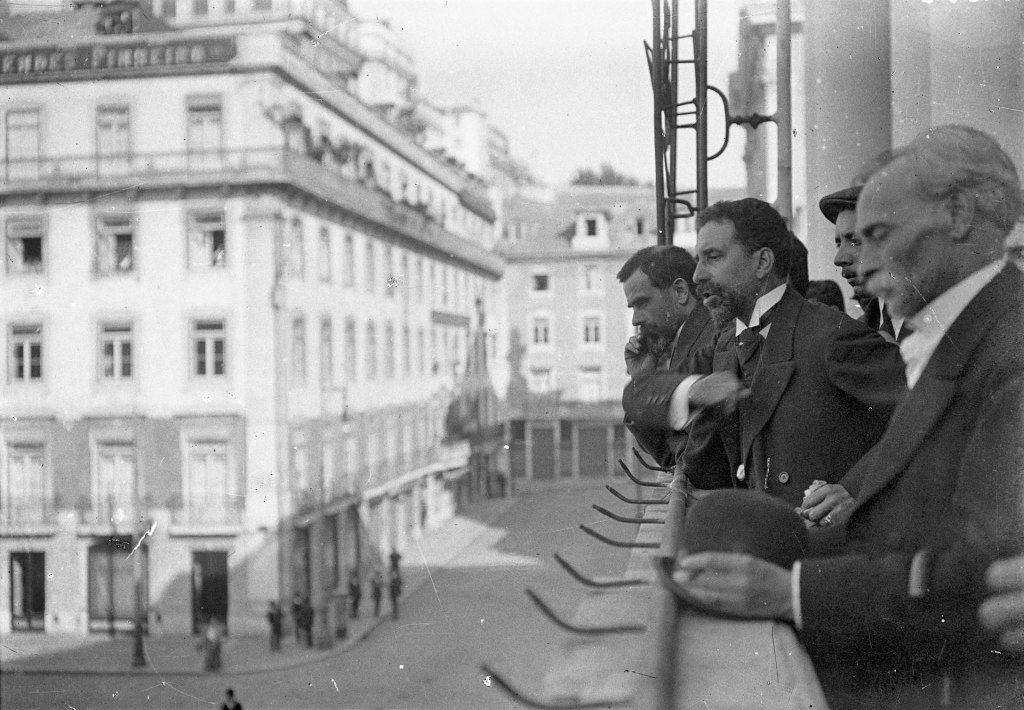
The military was reluctant to fight the nearly two thousand soldiers and sailors that rebelled between October 3 and 4, and so the Republic was proclaimed the next day from the Lisbon City Hall. A provisional government led by Teófilo Braga led the country till the Constitution was approved, marking the beginning of the First Republic. National symbols like the national anthem and the flag and some civil and religious liberties were changed.
The deposed King Manuel II departed from Ericeira and lived out the rest of his days in exile.
At the time, Portugal was worried about being recognized by other countries as most European states were monarchies. But soon enough, through skillful diplomacy by the Foreign Affairs Minister, the country was officially recognized by the United Kingdom, France, China, Spain, Italy, Russia, and others.
in nationaltoday.com
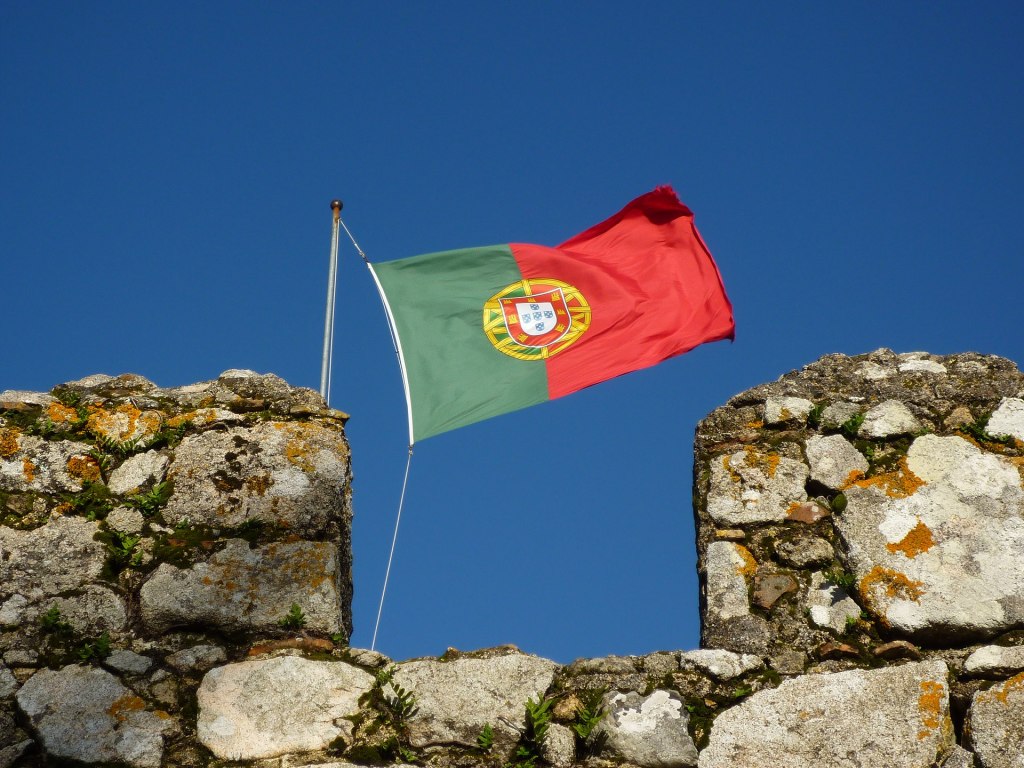
The current flag of Portugal was adopted after the monarchy was deposed on October 5th, 1910.
 Novidades - The Islands and the Diaspora