

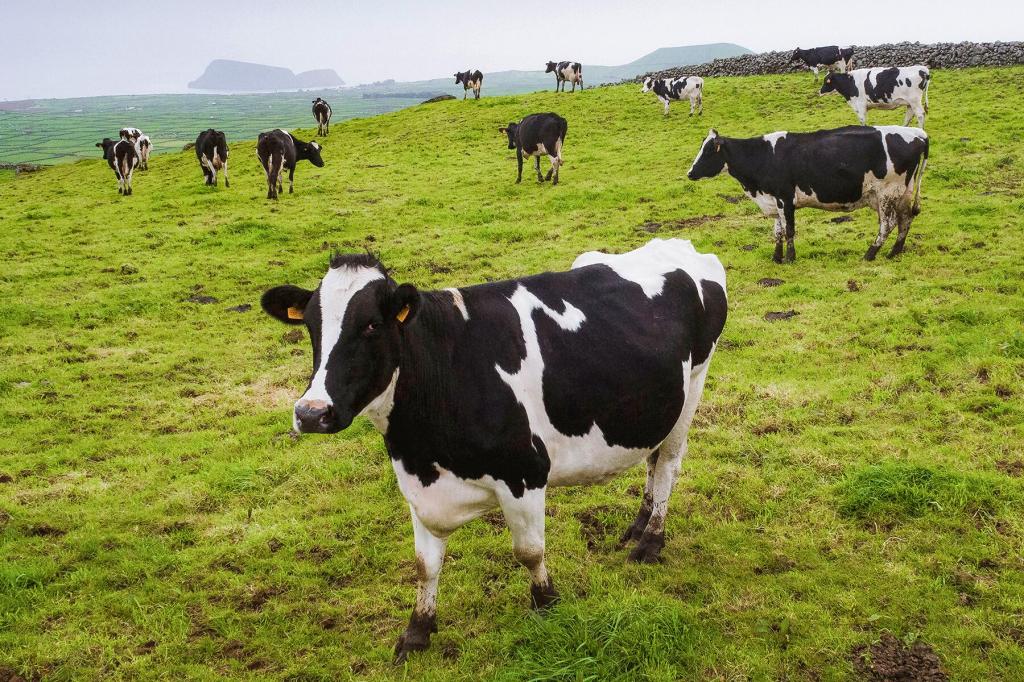
Excessive meat supply on mainland Portugal leads to a drop in the Azores.
In the first six months of this year, there was a significant drop in meat production in the Azores, with a 20% decrease in slaughter in the Azorean abattoirs and 8.9% less in live cattle exports.
Around 9,600 head of cattle have been left on pasture since the beginning of the year due to a lack of buyers or meager prices.
This sharp drop is due to the severe drought on the mainland, which forced producers to slaughter a large part of their livestock due to a lack of food, putting pressure on the market and lowering prices. There are indications that several mainland producers were forced to cull 30% of their livestock and some even had to get rid of 50% of their animals.
This situation led to an oversupply, which naturally affected the usual exports of meat from the Azores, both in pieces and live cattle, although the latter was already negligible. Exports to Madeira have ceased. According to the producers, speaking to Antena 1, the meat on offer in the Azores has fallen by as much as one euro per kilo. Farmers believe that towards the end of the year, when the oversupply on the mainland diminishes, demand for meat from the Azores will return to its usual levels, and the price will return to worthwhile levels.
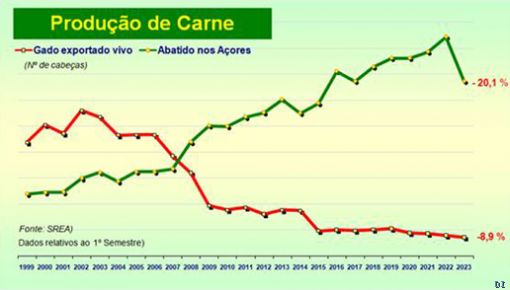
Many farmers are turning to meat production.
This is happening when there is already a significant shift from milk to meat production, given the decline in milk yields and concerns that they may fall even further due to the war, grain and fertilizer prices, and increased supply from other countries.
The Regional Government has taken two measures to minimize some of these effects. On the one hand, it created an incentive to reduce milk production, worth 15 cents per liter of milk. It had previously implemented another incentive for suckler cows, which, in practice, are meat-producing animals.
Many farmers signed up for these incentives, and the results were visible in the statistics: milk production fell by 1.3% in 2021 and 6.5% in 2022. On the other hand, meat production increased by 3% in 2021 and 7.4% in 2022, confirming the bet on a change that seemed safer, according to the panorama that had been drawing up in the milk market. With this unexpected situation, meat production has suffered a setback, although it is believed that this is a one-off situation and should return to normal.
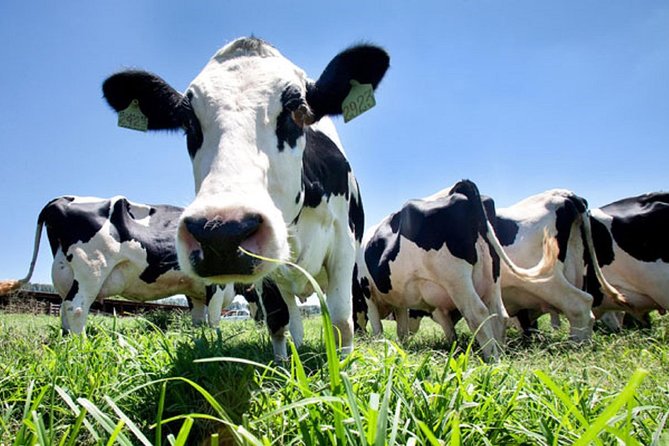
Dairy products have undergone changes.
Against this backdrop of gains and losses and changes in activity – which are believed to be valid given the panorama of the sector – there have naturally also been changes in the production of dairy products.
For example, in the first few months of this year, the production of cheese, which is a highly valued product, fell by 8%, while the production of powdered milk, which has little commercial value, increased by 14%. These calculations also show that milk drinking has increased, and butter production has grown. These figures show that the prices of milk and milk products are unstable because they depend on various factors. Firstly, other markets, which are increasingly competing, and even climate changes, caused small fluctuations in production and markets and are now likely to cause significant fluctuations.
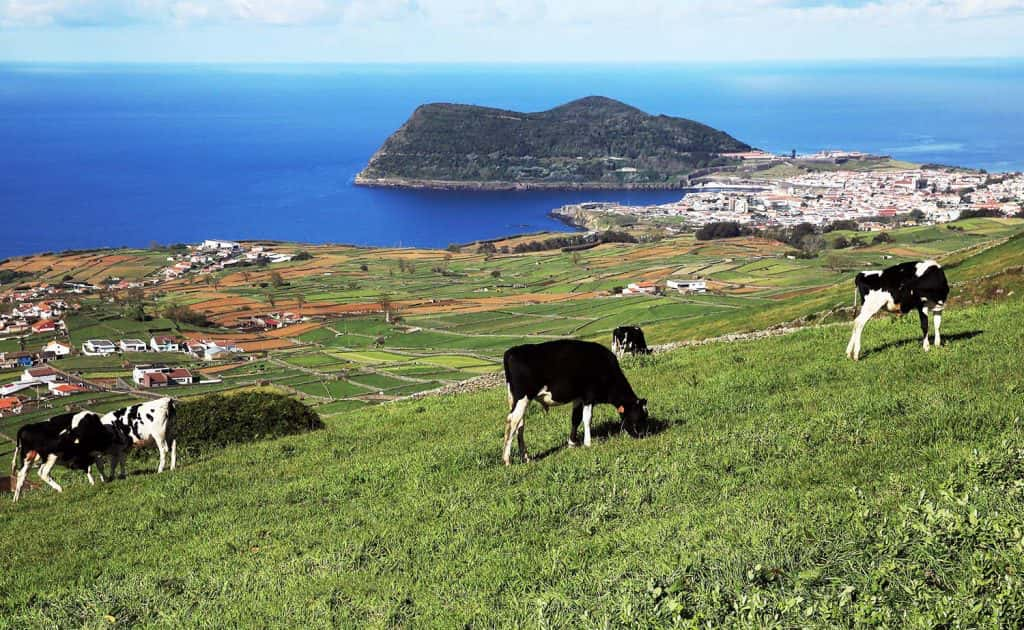
Good management minimizes losses.
All of this confirms the need to invest in good farm management, especially in a region where its economic weight is so significant. Farming continues to be one of the most solid pillars of the islands’ economy and ensures the income of many families, whether on large farms or small family activities.
Today, like any business, farming has to follow careful rules and pay attention to costs and income to ensure that the activity is profitable. You can’t fight against changes in the weather or the markets, but you can guarantee management that can cope with the day-to-day and mitigate unexpected situations.

This story was researched and written by Journalist Rafael Cota for the newspaper Diário Insular, in Terceira Island, José Lourenço – director/
Translated to English as a community outreach program from the Portuguese Beyond Borders Institute (PBBI) and the Modern and Classical Languages and Cultures Department (MCLL) as part of Bruma Publication and ADMA (Azores-Diaspora Media Alliance) at California State University, Fresno.
 Novidades - The Islands and the Diaspora