

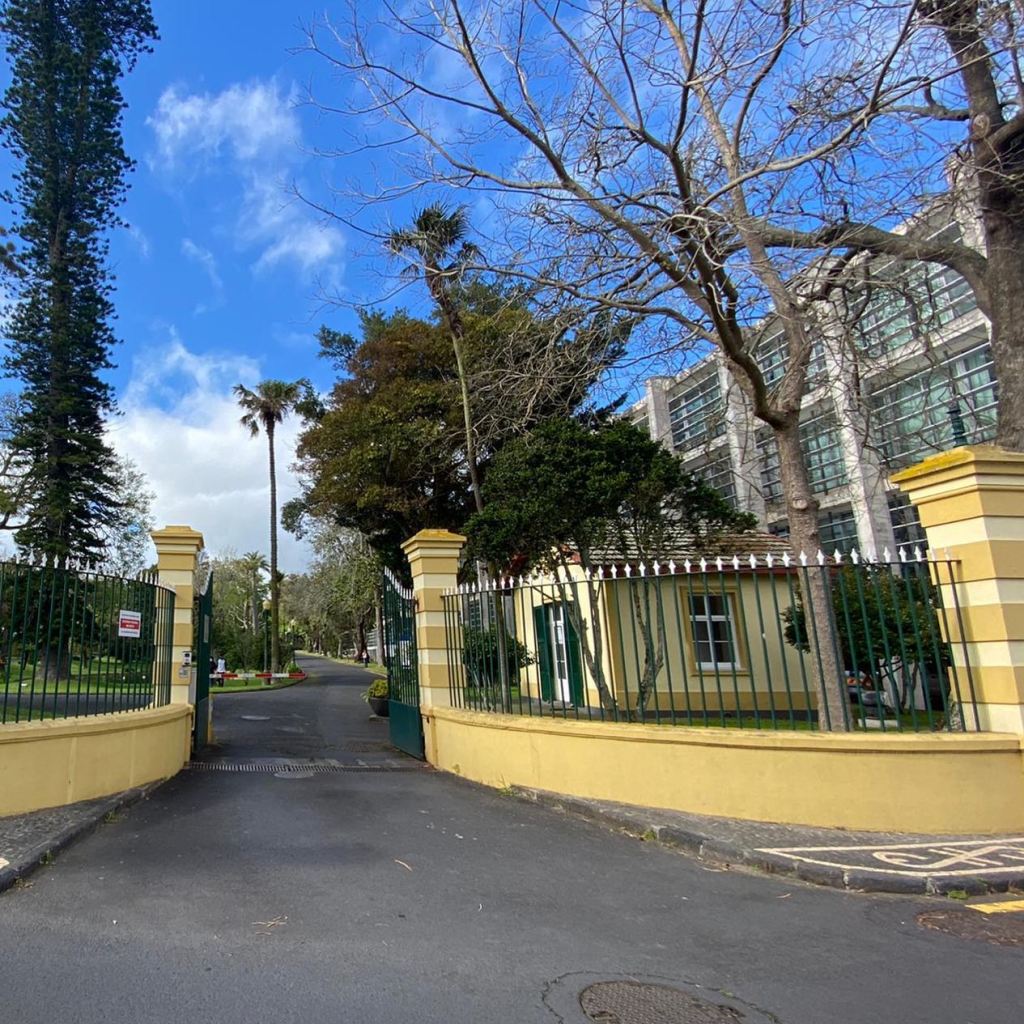
In the current academic year, 1,108 residents of the Azores were placed on higher education courses, which has been falling over the last three academic years, according to data from the Ministry of Science, Technology and Higher Education.
The figures show that after going from 1122 placements in 2019 to 1310 in 2020, in 2021, the trend reversed with 1226 placements that year (84 less than the previous year), 1191 in 2022 (35 less) and 1108 in 2023 (83 less).
As for the number of candidates, the reduction has been noticeable over the last two academic years: in 2019, there were 1229, in 2020, there were 1527; in 2021, there were 1534; in 2022, there were 1408 candidates; and this year there are 1322.
It should be noted when reading the figures that, although these are residual situations, in the second and third phases, students who have already been placed in the first and second phases can apply again.
The Regional Secretary for Education and Cultural Affairs, Sofia Ribeiro, stresses that, despite this reduction in recent years, “compared to the pre-pandemic period, we have more applicants today than we did then.”
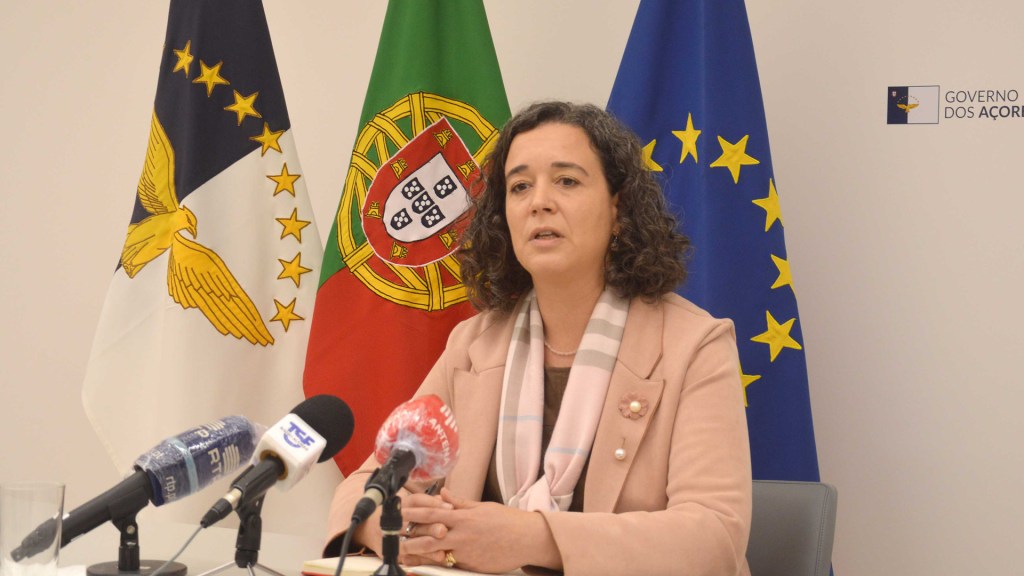
The person responsible for education in the region says that, while on the one hand, there is “a greater appreciation of the academic path in higher education as a way of improving personal and then professional status, there is an assessment that has to be made in terms of demographic assessment,” she points out.
However, says Sofia Ribeiro, “at the moment, we can’t make this correlation with demographics, especially since these are data provided by the Ministry of Science, from the total number of Azorean applications, which naturally includes students from public general education and public and private vocational education, as well as general education in private schools”.
The Regional Secretary for Education also points out that “in the most acute period of the pandemic, we have seen an increase in applications to higher education compared to the previous period.”

In 2023, at the national level, almost 50,000 students were placed throughout the three phases of the national competition for access to higher education. With the conclusion of the last phase, 49,996 students were placed in a higher education institution through the national access competition, for which 54,363 places had initially been set. There was a slight reduction: around 50,300 students entered higher education last year.
Story by Journalist Paula Gouveia from the newspaper Açoriano Oriental, Paulo Simões-director
Translated to English as a community outreach program from the Portuguese Beyond Borders Institute (PBBI) and the Modern and Classical Languages and Cultures Department (MCLL) as part of Bruma Publication and ADMA (Azores-Diaspora Media Alliance) at California State University, Fresno.
Editors note: this is concerning, especially when we add these numbers to the nearly 30% of Azoreans who, unfortunately, don’t finish the 12th grade or are abandoning school before the end of second education or high school, as we call it in America. The growth and economic development for a better life for all Azoreans can only be achieved through education.
 Novidades - The Islands and the Diaspora