

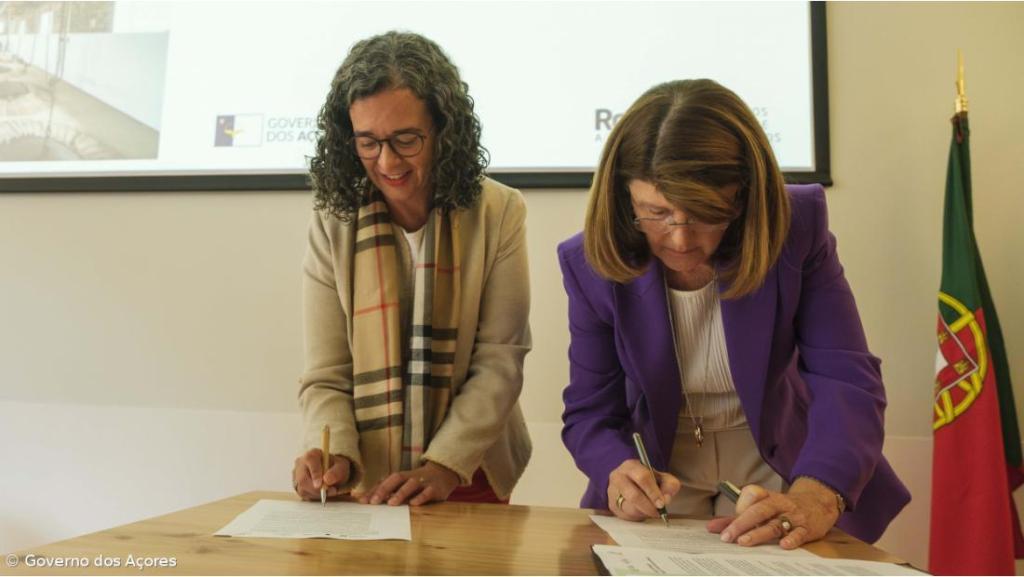
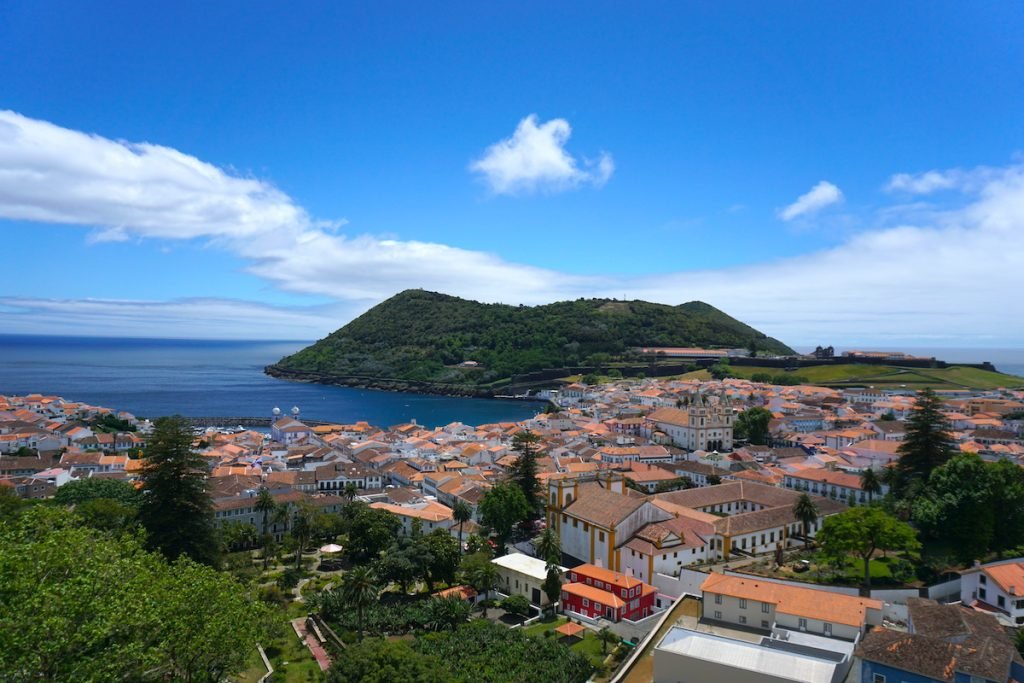
On Friday in Angra do Heroísmo, the Regional Secretary for Tourism, Mobility and Infrastructure, Berta Cabral, challenged the industries of all the Azorean islands, which are or have been in operation, to join the Industrial Tourism Route that is being structured in the region and, consequently, the Industrial Tourism Network of Portugal.
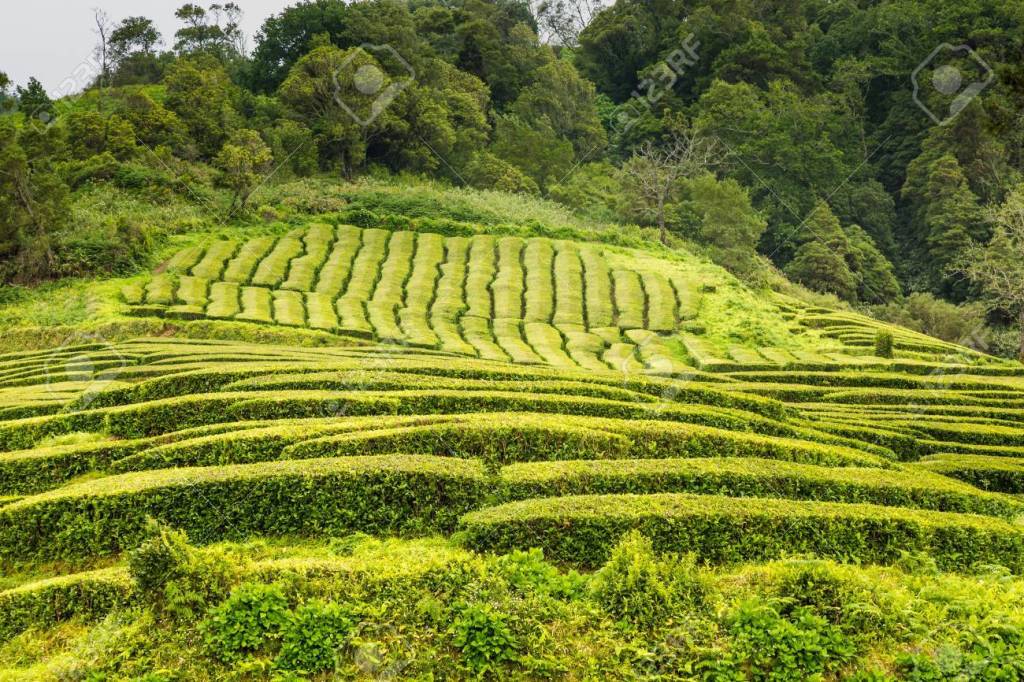
Berta Cabral was speaking at the Iberian Cultural Heritage Biennial at the end of the signing ceremony for the Declaration of Collaboration with the Industrial Tourism Network of Portugal, which includes six regional partners, namely the Whaling Industry Museum and Whalers’ Museum, the Boqueirão Whale Factory Museum, the Porto Pim Whale Factory Museum, the Maia Tobacco Museum, the Gorreana Tea Plantations and the Porto Formoso Tea Factory (the latter will sign in due course).
The Azores Industrial Tourism Route – she announced – could be available as early as next year and thus help mitigate seasonality since it will bring year-round tourism to all the islands.
“Today, we are boosting the national network, but we are also taking safe steps to boost our Industrial Tourism Route. We have a great tradition of industries. I’d like to highlight the canneries, which have all the conditions to be part of the national route, and SINAGA, which, although it has already closed, should musealize part of its estate and thus also be part of the industrial tourism route,” she stressed. She believes the National Industrial Tourism Route “shouldn’t include only what has been musealized”.
“It should include the living industry. Those still working today, because it’s just as important for our tourists to visit a museum as it is to visit a factory, be it a tea factory, a tobacco factory, a canning factory, a ceramics factory, or any other. The list is immense,” he said. Adding that signing these declarations “is another important step on the road to progress and success for tourism in the Azores.”
The national network, coordinated by Turismo de Portugal, according to Berta Cabral, allows the partners who signed the declaration “to also be partners in the Regional Industrial Tourism Route, a route that is in full development and which is expected to be available to all those who work in tourism and to visitors by 2024, thus joining the other Azores Routes”.
For the Secretary of Tourism, when it comes to promoting tourism, “the steps have to be successive because it’s never a finished job, it’s always a work in progress and a step-by-step job because promotion has to be continuous, assertive and should serve to bring to those who visit the Azores what’s different” in the Region.
“We can’t sell what we’re not and we can’t promote what we don’t have. We must promote our genuineness, our uniqueness, our difference. Everything that adds value to those who visit us involves nature, land, sea and human nature. In other words, our cultural identity, our values, our traditions. Basically, the historical legacy that has made our people who we are today,” she stressed.
She argued that the industrial route, as is the military heritage, is also a cultural heritage. “There is an aggregating dimension to cultural heritage and industrial tourism, as well as the military tourism that we want to implement in Terceira, fall within this dimension,” she said.
in Açoriano Oriental, Paulo Simões, director
Translated to English as a community outreach program from the Portuguese Beyond Borders Institute (PBBI) and the Modern and Classical Languages and Cultures Department (MCLL) as part of Bruma Publication and ADMA (Azores-Diaspora Media Alliance) at California State University, Fresno.
 Novidades - The Islands and the Diaspora