

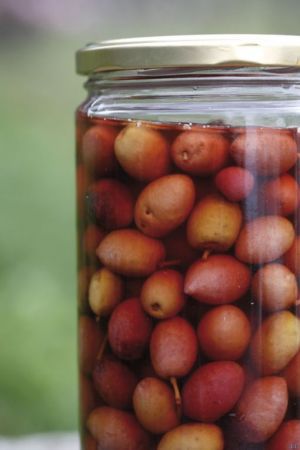
In the area of agriculture, the 2024 Investment Plan for the Azores includes the development and implementation of three projects: the protection, classification, and promotion of the olive groves and olives of Porto Martins in Terceira, as well as experimentation with legumes in Graciosa and the productive diversity of the Fajãs in São Jorge.
According to the Regional Government, concerning the protection, classification and promotion of the olive groves and olives of Porto Martins, “it is important to encourage the younger generations to maintain this traditional activity.”
In Terceira, olive trees grow only in a small area of about a kilometer and a half, in the Madre de Deus area, in the parish of Porto Martins, one of the sunniest areas on the island.
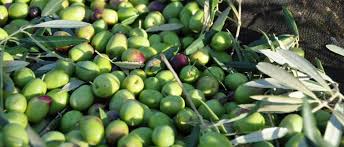
It is estimated that olive cultivation was introduced to the island at its settlement. Still, the crop began to develop in the 18th century when two Italian friars moved to Porto Martins. The friars knew how to graft olive trees and tried to hide the technique from the quinteiro, who eventually discovered it and shared it with other producers. The olives from Porto Martins have a distinctive flavor, which the producers believe is influenced by the climate and the brine refined over several decades.
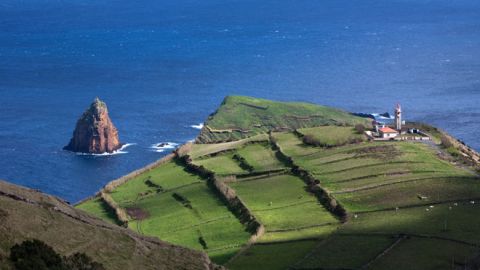
The pilot project to be developed on Graciosa consists of experimenting with cultivating legumes on the island to improve pastures, combat the effects of climate change, and promote food self-sufficiency. The first legumes to be cultivated will be clover and lucerne, taking into account Graciosa’s morphological characteristics and the attributes of these plants.
The pilot project will be developed by the Graciosa Agricultural Association in partnership with the island’s Agrarian Development Service, which will be responsible for the technical side of the project.
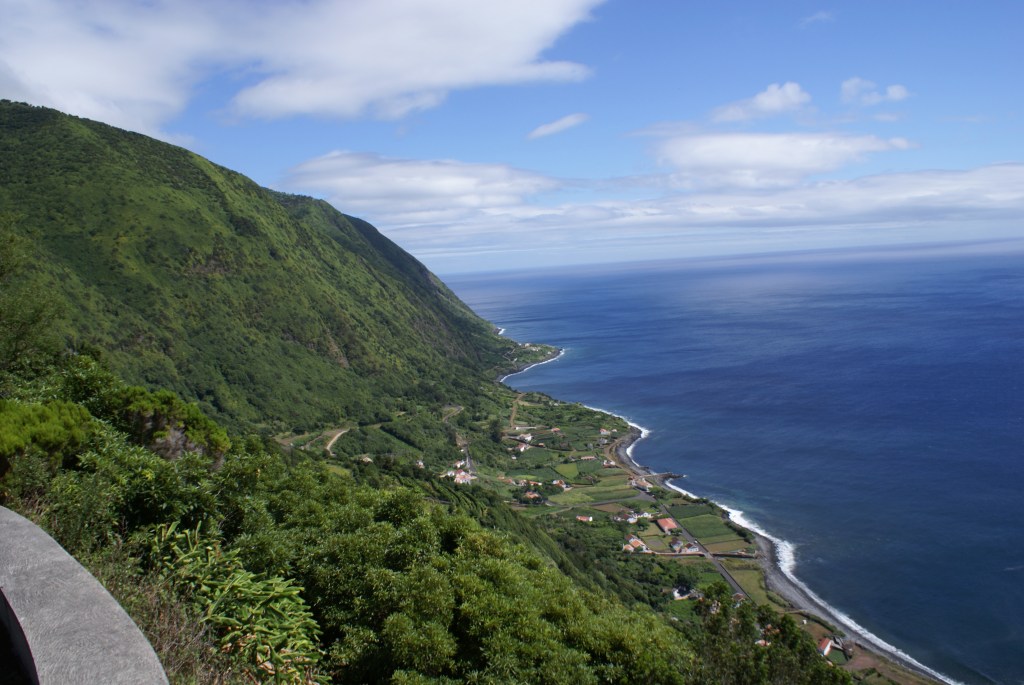
As for the productive diversity of the fajãs, the project aims to take advantage of the characteristics of the island’s coastal fajãs, where there is good sun exposure combined with the fertility and depth of the soils and the necessary conditions for horticulture and fruit growing are met.
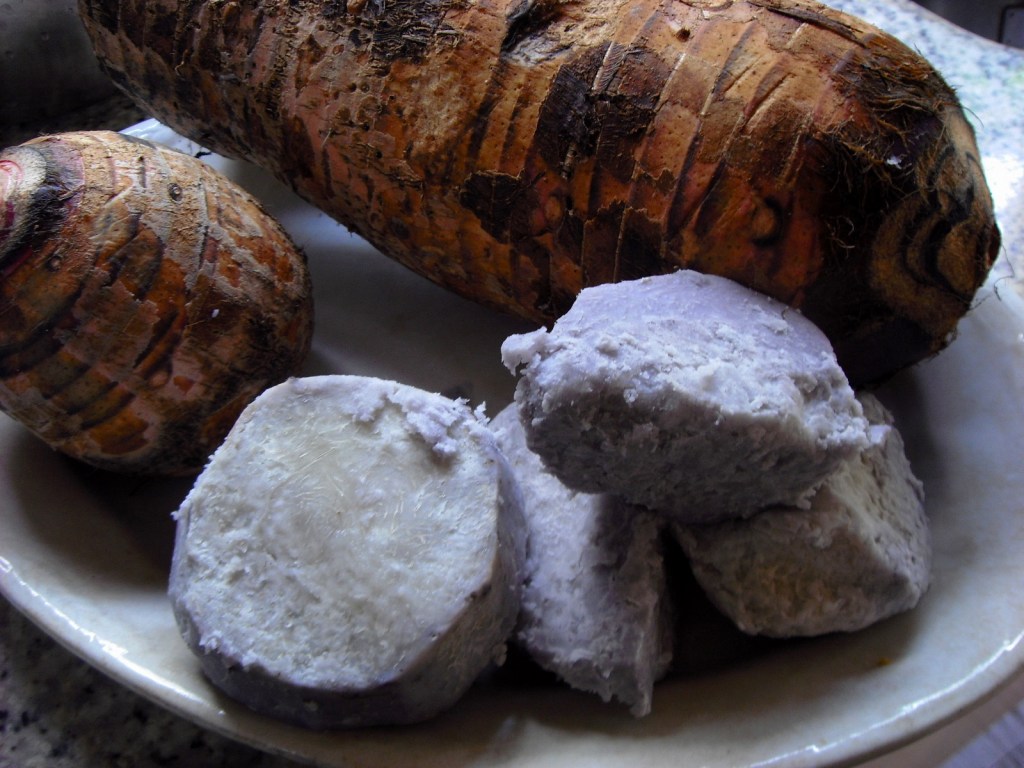
The crops grown in the fajãs include vegetables (cabbages, lupins, potatoes, sweet potatoes, onions, garlic), fruit crops (vines, fig trees, apple trees, loquat trees, banana trees, walnut trees, plum trees, among others), corn and taro roots. The most important fruit species in terms of cultivated area in São Jorge are oranges and bananas, “although there are conditions for producing cherimoya, kiwis, avocados or apples on higher ground.”
Fajã dos Vimes is home to another crop that has become a symbol of fruit-growing in São Jorge: coffee, with a still small production sold locally. However, the entire south coast of the island “has the conditions for growing this species and could be an alternative for other producers, thus making it possible to boost a brand that values the island and the work of its producers.”
The three projects set out in the Investment Plan for 2024 under the Regional Secretariat for Agriculture and Rural Development aim, like the project to recover fig cultivation in Pico in 2023, to “reposition the Azores in the return of agriculture as a new economic attraction of a sustainable nature, which produces food, which counteracts depopulation and the aging of the population.”
The aim is to “give value to each island, specifically building an agricultural plan for each one, but integrated into a logic of regional complementarity, making agriculture one of the driving forces behind the economic recovery of the Azores.”
in Diário Insular, José Lourenço-diretor
Translated to English as a community outreach program from the Portuguese Beyond Borders Institute (PBBI) and the Modern and Classical Languages and Cultures Department (MCLL) as part of Bruma Publication and ADMA (Azores-Diaspora Media Alliance) at California State University, Fresno.
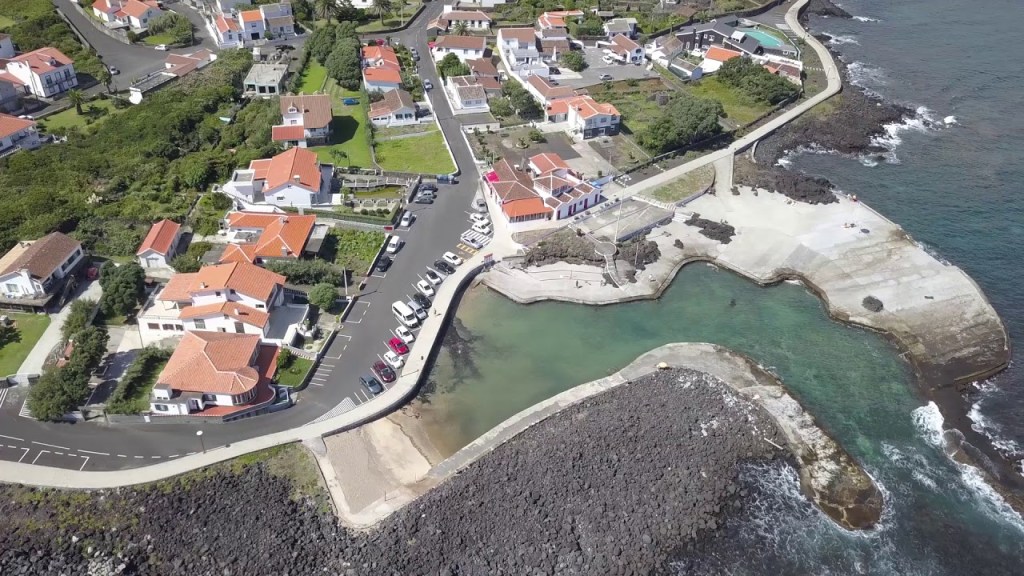
picture of Porto Martins-Terceira-Azores
 Novidades - The Islands and the Diaspora