

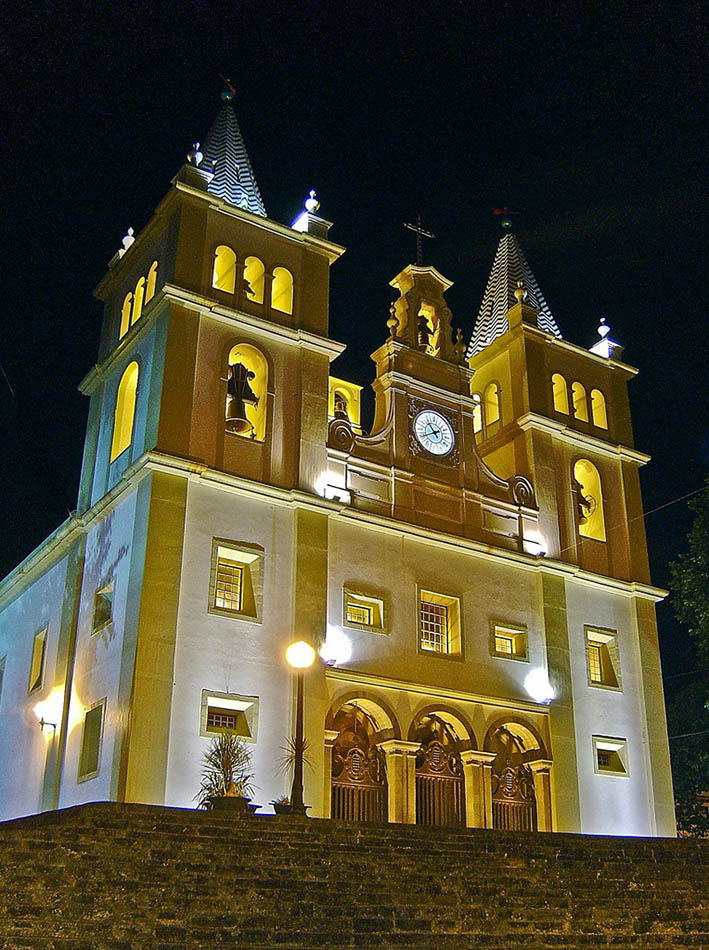
The Diocese of Angra celebrates its 489th anniversary at a time when Bishop Armando Esteves Domingues’ first pastoral itinerary will also be presented. Armando Esteves Domingues will also be presenting his first religious itinerary, focused on listening to the different regional bodies, intending to draw up a “plan” to strengthen the participation of the “laity” in the Church.
The diocese’s concern was expressed in a note published on the Igreja Açores website, in which the bishop states that he will present the first pastoral itinerary of his episcopate on November 26, adding that it will last two years and is being prepared based on the “contributions of the diocesan Church in the ongoing synodal process.”
In a letter, Bishop Armando Esteves Domingues said that this itinerary for 2023/24 will be like “a time zero, marked by listening and communion, without haste or the temptation to do everything at once.”
“We won’t be in a hurry or want to do everything simultaneously. We will start by choosing the various bodies for synodal participation in the diocese that we want to be truly synodal: Ombudsmen, Presbyteral Council, and Diocesan Pastoral Council,” he says, stressing the importance of strengthening the participation and co-responsibility of the “laity.”

“Where there is no Parish Pastoral Council, it would be time to form one,” he says in the letter consulted by the Igreja Açores website.
According to the note, the bishop wants to draw up a “plan” that “starts from the grassroots,” suggesting that “needs be identified, and one or another priority is chosen, whether in lay formation and various ministries, in the liturgy, charity, catechesis or others.”
The press release warns that, of the “237,000 inhabitants of the archipelago, around 80% of Azoreans or residents in the Azores say they profess the Catholic religion”, yet there is “a noticeable reduction in participation in worship, particularly on Sundays, as well as in involvement in religious life, with a progressive aging in movements, services, and brotherhoods.”
According to Father Hélio Soares, one of the leaders of the working group established by the diocese, which is writing the religious history of the Azores, some problems condition diocesan activity and are related to geography.
“Each island is a mini diocese and therefore lives very closed in on itself. Contacts with the outside world have always been very limited and this often prevents us from seeing good experiences that could be adopted in the Azores,” he said.
“We learn little from the experiences that have already taken place. There are very interesting experiences at national level, we wouldn’t need to invent much, it would be enough to transpose it to the island reality,” the priest adds.
Even so, Igreja Açores points out that the Diocese of Angra has a total of 165 parishes and 22 curates and has one and a half hundred priests and six permanent deacons, mobilizing “hundreds of lay people in the various movements and services of the Church, starting with catechesis, which is the pastoral dimension that involves the most people, even though there was a drop after the pandemic, which also had severe economic implications, with some parishes facing financial difficulties.”

Based on a story by journalist Carolina Moreira for Açoriano Oriental newspaper, Paulo Simões-director
Translated to English as a community outreach program from the Portuguese Beyond Borders Institute (PBBI) and the Modern and Classical Languages and Cultures Department (MCLL) as part of Bruma Publication and ADMA (Azores-Diaspora Media Alliance) at California State University, Fresno.
 Novidades - The Islands and the Diaspora