

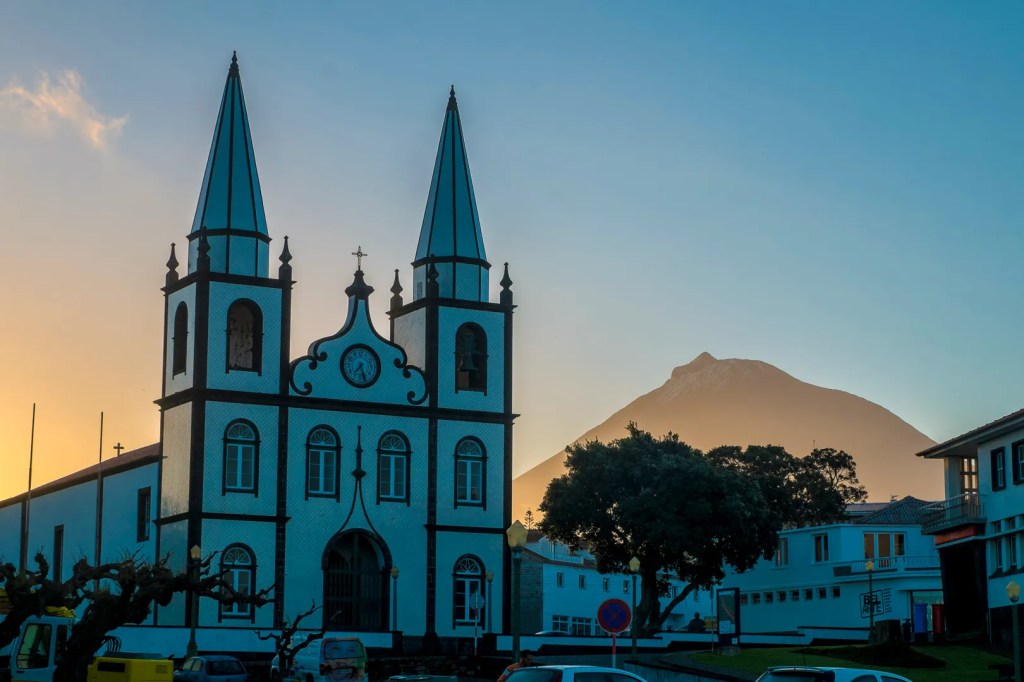
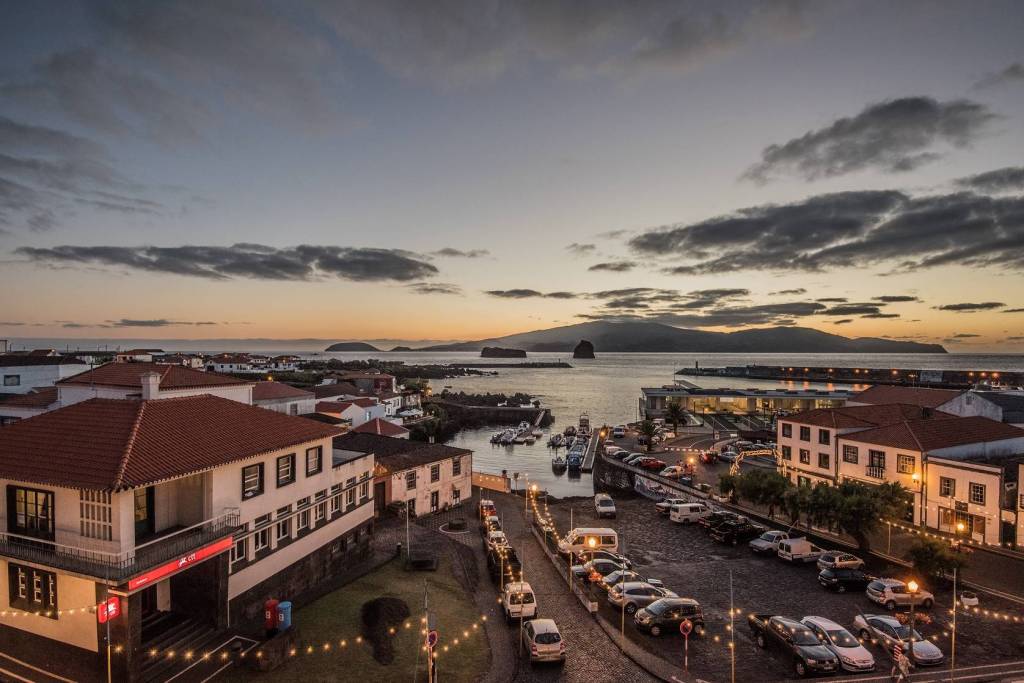
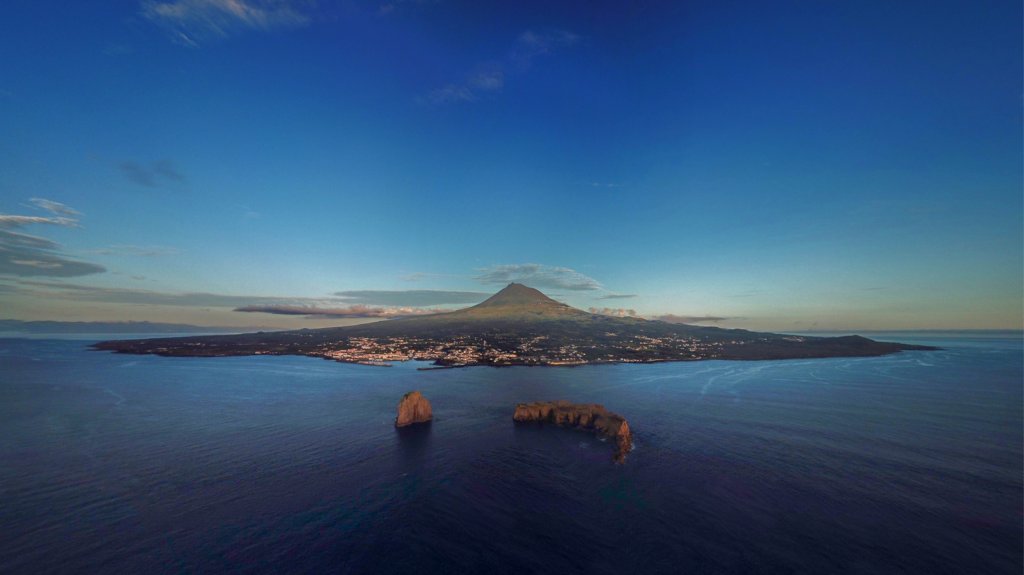
The town of Madalena do Pico, the capital of wine and winner of the Best Tourism Villages Award at the 2023 ceremony in Samarkand, Uzbekistan, at the 25th Assembly of the World Tourism Organization (WTO), will host another edition of the Regional Tourism Meeting of the Azores, an initiative of the Regional Secretariat for Tourism, Mobility, and Infrastructures.
The event will occur from November 9 to 12 under the theme “Tourism… looking to the future!”. The meeting will be attended by around two dozen regional, national, and international experts. Filipe Roquette (Director of Blomm Consulting), Rami Moughabghab (founder of Vivium- properties), Ricardo António (founder of ETHICAL), Luís Madureira (PhD Researcher), Pedro Wilton (Systemic), Pedro Quintela (Sales & Marketing General Manager of Abreu), Celina Tavares (Director of Turismo de Portugal in the United States of America), Lina Leite (founder of Pura Communications), Joanna Krywalski (Professor at ISEG – Instituto Superior de Economia e Gestão) and Nuno António (responsible for the post-graduate course in Marketing in Tourism and Tourism).
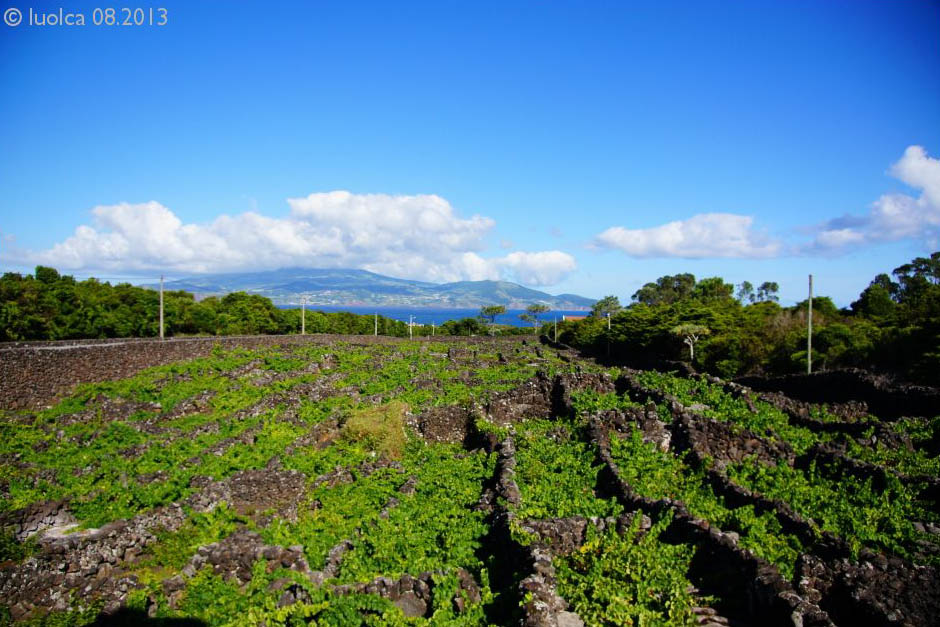
On the second day, there will be an exhibition of products from Pico organized by the Association of Municipalities of Pico Island. On the third and final day, there will be gastronomic experiences and itineraries of the Whaling Route and the Vineyard Route.
The Azores Regional Tourism Meeting is a space for reflection and debate on emerging issues, bringing together businesspeople, journalists, academics, specialists, and government officials to pave the way for new projects and opportunities.
Concerning the award given to the town of Madalena do Pico, along with Ericeira, Manteigas, and Sortelha, it should be noted that with this distinction, the World Tourism Organization highlights the transformative role of tourism in the context of rural territories through sustainability strategies that are aligned with the United Nations Sustainable Development Goals.
The selection is based on assessing local resources and initiatives in nine areas covering the three pillars of sustainable development – economic, social, and environmental – in villages with a high level of sustainability.
The program features a variety of topics, ideas, projects, experiences, and new approaches to the challenges facing qualification in the context of the sustainability that is envisioned for tourism in the Azores.
Topics to be debated include making the most of resources in promoting a destination, how to promote and highlight the actual value of sustainability in tourism; attracting and demanding priority markets; and optimizing business through artificial intelligence.
The revaluation of the wine sector and its impact on tourism is another topic that will also be debated on the first day of the Azores Regional Tourism Meeting, with the presence of two experts in this field, Filipe Rocha from the Azores Wine Company and Paula Sousa, coordinator of the Wine Travel Week project.
Parallel to the debates, workshops will be held on the first day, aimed at entrepreneurs with less than 15,000 inhabitants.
The aim of this UNWTO initiative is to raise the profile of rural destinations and local communities through the tourism sector, to ensure the international visibility of the regions, and to promote the building of networks and connectivity between the various rural territories.
“This award represents a significant milestone in validating the work and the path that has been followed in public policies in the Azores and demonstrates the quality and sustainability of tourism in the region, with the appropriate preservation of resources and local communities,” said Berta Cabral, the government secretary responsible for tourism.
She also stressed the “growing importance of tourism as a key sector for the region’s economic development, due to its contribution to revenue generation and its ability to democratize income, boosting tourism in smaller territories and creating business, employment, and social welfare opportunities.”
in Diário dos Açores, Osvaldo Cabral, director
Translated to English as a community outreach program from the Portuguese Beyond Borders Institute (PBBI) and the Modern and Classical Languages and Cultures Department (MCLL) as part of Bruma Publication and ADMA (Azores-Diaspora Media Alliance) at California State University, Fresno.
 Novidades - The Islands and the Diaspora