


The President of the Regional Government said he was available to accept proposals for changes to the Region’s Budget for 2024 and asked for time to give “consistency to the good results.”
“We are available to accept more proposals, to seek even more consensus, as we always have been and are in the parliamentary framework of this legislature,” said José Manuel Bolieiro at the start of the discussion of the proposals for the Region’s Plan and Budget for 2024.
At a time when PS, BE, and IL have already announced that they will vote against and CH and PAN have said they will not vote in favor, José Manuel Bolieiro argued that the budget is better than previous ones and that the region needs “consistency” to continue implementing the measures that have given “good results” in the first three years of governance, highlighting the “28 months of consecutive economic growth” and “the lowest number of registered unemployed” in the region.
“Those who have worked so hard to get on this path are ready to continue working and serving our people. He needs and recommends time to make the good results consistent,” he said.
Lack of dialogue
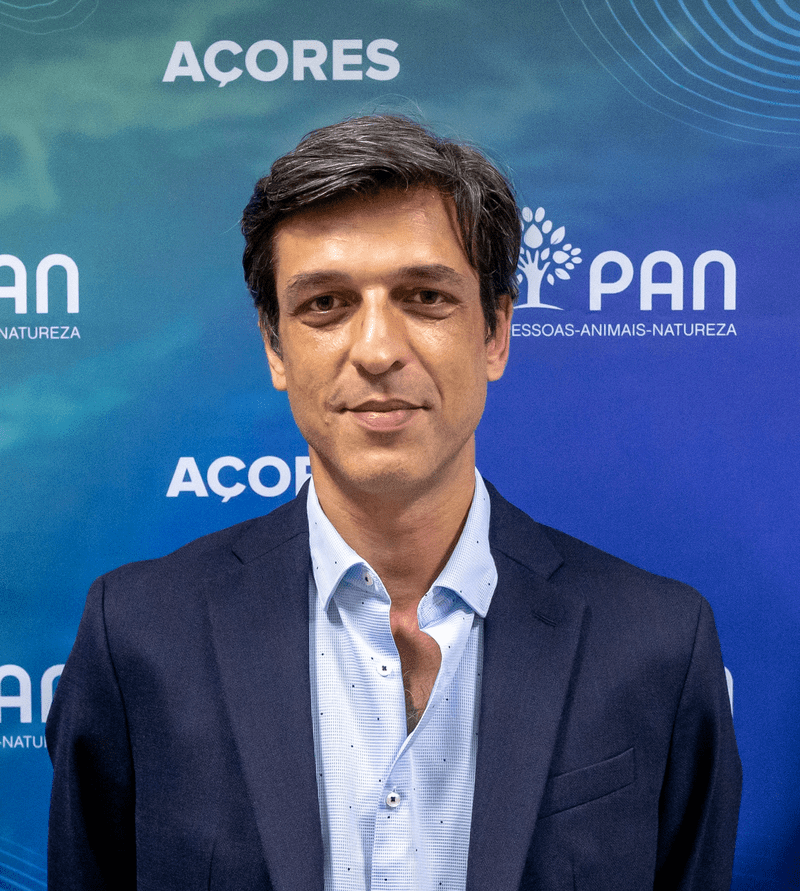
Pedro Neves, parliamentary from the political party PAN (Party of Animals and Nature) reacted by accusing the PSD of “ostracizing the hitherto advocacy partners and anyone who dared to vote against the budget” in a “political strategy with the desire, at least in appearance, for early elections”.
“It wasn’t a dialog based on democratic humility, but one of arrogance and incitement to rebellion. It was almost reminiscent of the last years of the PS governing the region, but forgetting one small detail. Instead of having an absolute majority, it only has a parliamentary minority,” he pointed out.
According to Pedro Neves, the PSD “went from victim to oppressor” when it said that if the budget wasn’t approved, “the government wouldn’t resign”, forgetting the warnings about the loss of investment opportunities due to being governed in twelfths.
José Pacheco, from Chega, also criticized the executive’s “lack of dialogue, respect and commitment.”
“Action is something that Chega hasn’t seen and one of the actions it hasn’t seen is dialogue, which leads to commitment, through humility,” he stressed.
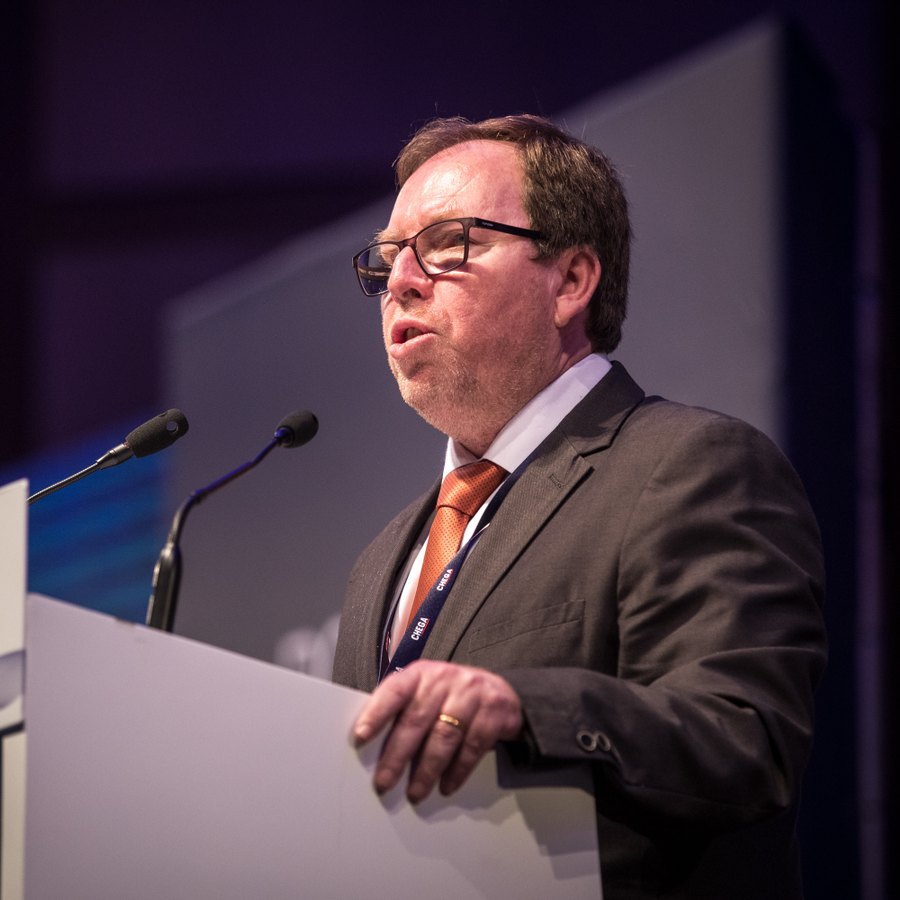
The CHEGA parliamentarian criticized the 5% increase planned for the pension supplement, claiming that in 2021, there was a 50% increase, and said that Cheque Saúde, which was budgeted for but not met, will once again have 250,000 euros enrolled for next year. “We didn’t knock on anyone’s door. You asked us to make this possible,” he added.
Nuno Barata, parliamentarian for the Iniciatival Liberal (IL), accused the coalition parties of being “desperate and clinging to the government.”
“If they had confidence, they would give the Azoreans their voice back tomorrow. Those who know they haven’t delivered are those who are afraid to go to the polls, those who are afraid to give the Azoreans their voice back, those who come here to talk about governance instead of the forecast documents they’ve presented to us,” he said.
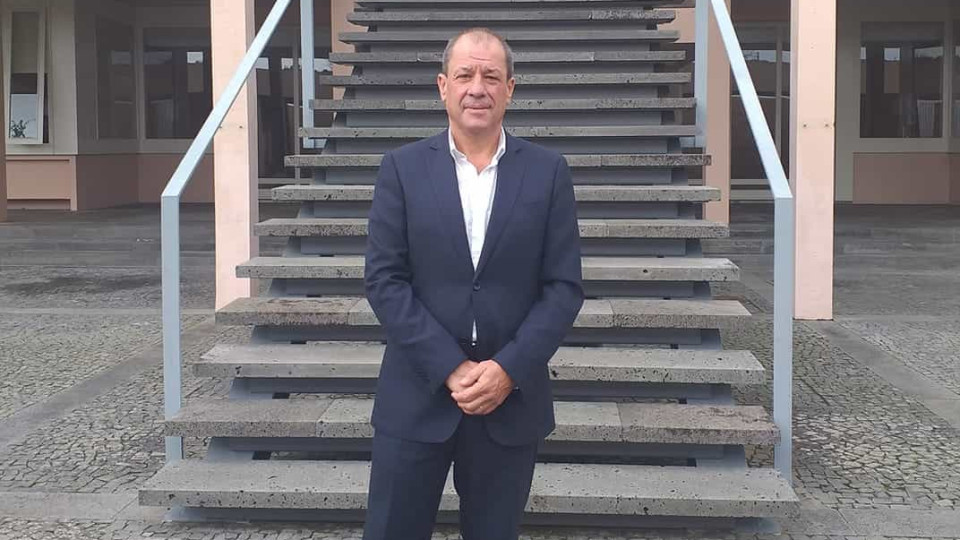
Nuno Barata said the budget has “a reinforcement of electoral welfare” and includes proposals negotiated with IL for 2021.
“This is not a good document, contrary to what has been said here, nor is it a document of change, much less of hope. And what the Azoreans need is hope and a new direction. The debt is growing, political positions are increasing, the Azores are dying and the Azorean economy is failing,” he stressed.
Blackmail and threats
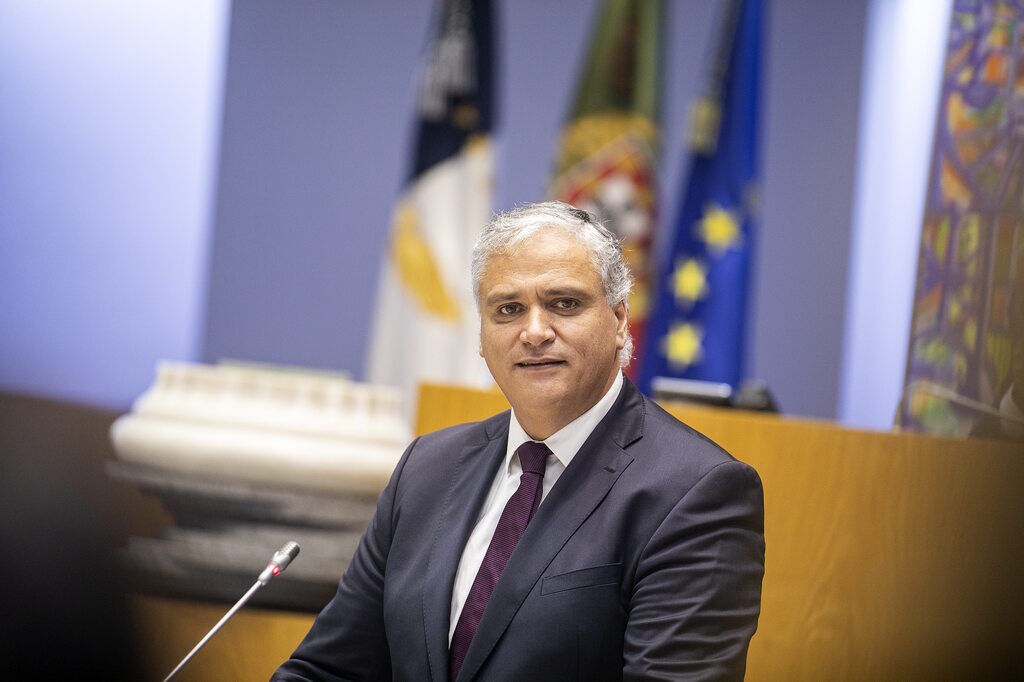
The leader of the PS parliamentary caucus, Vasco Cordeiro, accused the regional government of having embarked on a “spiral of blackmail, threats and lack of truth,” criticizing the “crude attempts to manipulate civil servants, hobble pensioners and condition public opinion in general.”
“What is this attachment to power, what is this obsession with power, that leads you to devise a strategy that aims to trample on the powers of this Parliament and the free vote of the Members of this House?” he asked.
According to Vasco Cordeiro, career progressions for civil servants and increases in social support are not dependent on the approval of the budget.
“In 2021, the regional budget was only approved in May of that year and only came into effect in June of that year. And that’s not why these benefits weren’t increased and haven’t been paid since January 1st of that year,” she explained.
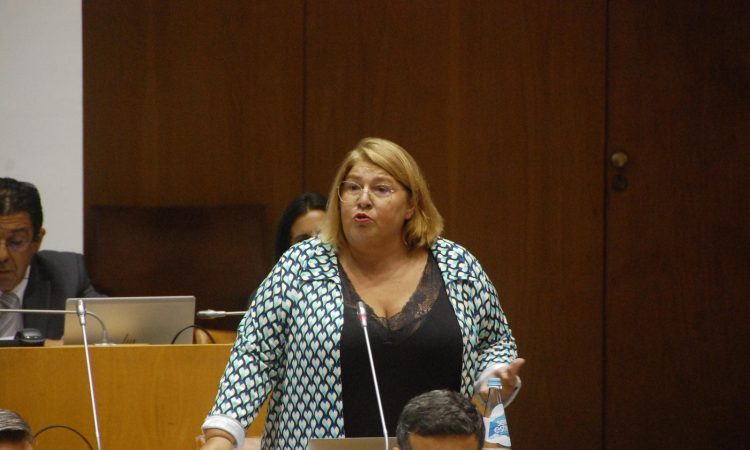
Alexandra Manes, from the BE, said that the executive “in recent months has given up governing to devote itself exclusively to election campaign activities,” betting everything on “emotional blackmail” to convey the idea that “without the approval of the budget it would not be possible to increase the incomes of civil servants, nor to increase social support.”
“Nothing could be further from the truth, because most of the measures are only a government resolution away. The government won’t do it unless it wants to,” she said.
According to Alexandra Manes, the right-wing “has led the Azores down a blind alley” and is presenting “a worn-out government with no ideas for solving the region’s problems and a government with no future.”
“The responsibility for the political crisis that has been announced lies with the right. All of the right: the parties that governed, and the parties that let them govern,” he stressed.
Investments at risk
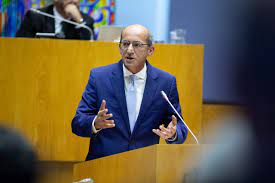
João Bruto da Costa, from the PSD, said that “the Azoreans would not understand their representatives throwing away” 300 million euros from the Recovery and Resilience Plan “in exchange for a political crisis”.
“There are no valid and strong criticisms of this budget, only the political opportunity for MP Vasco Cordeiro to turn this debate into an opportunity to do something for his political future and not to really worry about the future of the Azoreans,” he said.
“We are, in compliance with the government’s program, in this legislature and with a government of dialogue and commitment, restoring freedom to the Azoreans, restoring dignity and pride in the exercise of a profession of service to the public, to their countrymen, to those who visit us, and to themselves as citizens or as entrepreneurs,” he added.
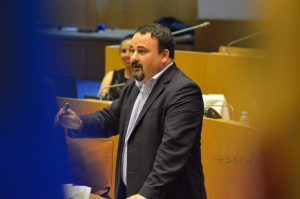
Paulo Estêvão, from the PPM, condemned the Socialist regional leader’s calls for the President of the Republic to intervene if the budget is rejected, accusing him of taking the ‘Trojan Horse’ of the region’s destruction “inside the walls of the Autonomy of the Azores.”
“If there is presidential intervention, we will be left with a caretaker government for many months and without a budget for most of 2024. This at a time of enormous demands in terms of implementing 400 million euros of European funds, an opportunity that cannot be missed,” he warned.
“We have never grown so much and so quickly. We need an approved budget and a government that uses all its powers. Don’t throw it all away. If you do, you’ll be making one of the biggest mistakes in our history. Seriously penalizing the Azoreans,” he added.
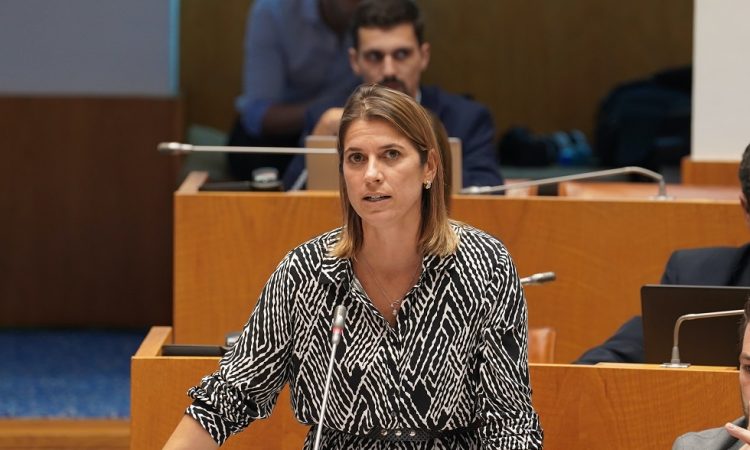
Catarina Cabeceiras, of the CDS-PP, considered that it was “not the moment to throw in the towel”, guaranteeing that the pre-announcements do not make the coalition “hesitate” or “shake the confidence” of those who consider that governance “is beneficial to the lives of the Azoreans.”
“This Regional Government, which has seen 98% of its initiatives approved in Parliament, has the necessary strength and validation to lead the people of the Azores through these difficult and challenging times,” she said.
The centrist MP also criticized the parties that devalued the approval of the budget.
“It seems as if we’ve been mistaken for years and that we don’t need a budget for anything after all. These are times of enormous challenges in which stability has never been as necessary as it is now,” she stressed.
In Diário Insular, José Lourenço-director
Translated to English as a community outreach program from the Portuguese Beyond Borders Institute (PBBI) and the Modern and Classical Languages and Cultures Department (MCLL) as part of Bruma Publication and ADMA (Azores-Diaspora Media Alliance) at California State University, Fresno.
 Novidades - The Islands and the Diaspora