

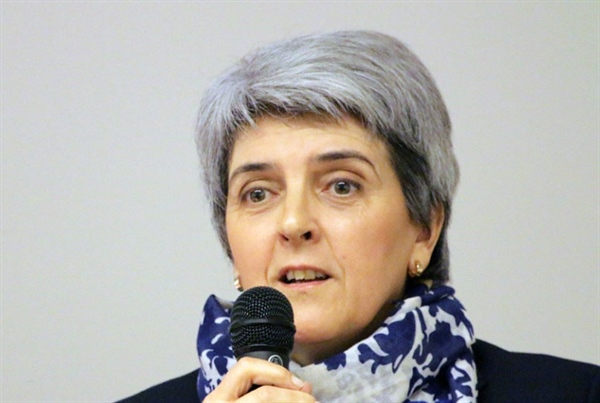
The Director of the Diocesan Social Ministry Service in the Azores, Piedade Lalanda, warns of the lack of structural social responses and challenges Catholics to go beyond a Church concerned with rites and celebrations, giving priority to denouncing inequalities and seeking integrated solutions to combat them.
“The Church doesn’t have the key to solving the social problems that affect Azorean society, but it can’t shy away from the role of denouncing and being an ‘open door’ to finding a solution to each problem within the communities,” said the Director of the Diocesan Service for Social Pastoral Care in a statement to Rádio Igreja Açores.
“The Church doesn’t have a magic wand to solve difficulties, but by being an open door, it can be part of the solution, a place for the community to pass through that needs a helping hand and help that, if not given by the Church, can be provided by it,” says Piedade Lalanda, who has just taken part in the National Social Pastoral Days, which took place from October 16 to 18 in Fatima, with an eye on the problem of aging.
“We have to go beyond immediate support, always looking for structural solutions” because “social problems are a bit like wounds: we can cover what is visible with a bandage, but if we don’t act on the cause of the wound, it will continue to bleed”.
One of the keys to this problem is “articulation,” she says.
“It’s in the parish that the welcome should take place, and it’s in the parish that the cases should be flagged and referred,” she said, recalling the “vital” role of the social and parish centers, which depend on the parish priests and are the parish’s main structure for “this welcome,” which goes far beyond a “more immediate charitable response that has to be given but which cannot exhaust the Church’s attention.”
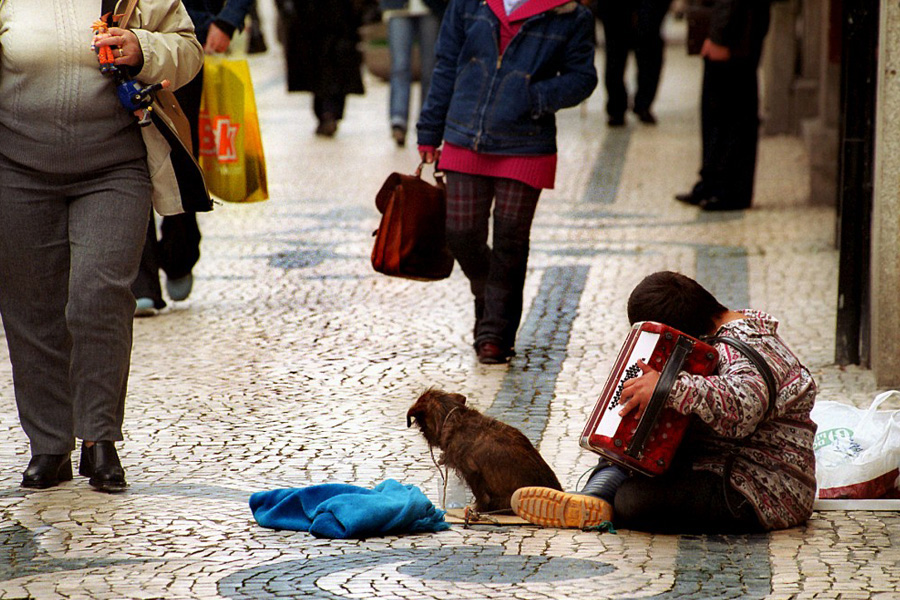
Piedade Lalanda advocates greater coordination between the various parish social centers to optimize human and financial resources. “There’s a change that needs to be made: we can no longer deal with the social issues of the parish from the point of view of one-off charitable assistance; we have to look at the problem in a more structural way (…) Giving is important, but then we have to go deeper. At the moment, parish priests haven’t yet internalized this practice, but we’re not going to give up either,” he says, challenging all communities – priests and laity – to accept the challenge of “getting out of the way and breaking routines.”
“There is a Church that counts the number of practitioners, celebrations and rituals, which is important, and then there is the Church of spirit and action, which is no less important either. Social ministry is part of this Church of experienced love. I think that the Bishop is part of this church, but he can’t row alone and, in fact, if all of us aren’t aware of this need, it will certainly be difficult.”
The sociologist, who worked in social action as a government official, regrets that it is impossible to go beyond the moment and the immediate response.
“Each community has to reflect on people’s needs and tailor responses to those needs,” she says.
“All governments are concerned about social problems; the question is whether the measures to tackle them are adequate and structural,” he says, challenging Catholics to be “driving forces of denunciation.”
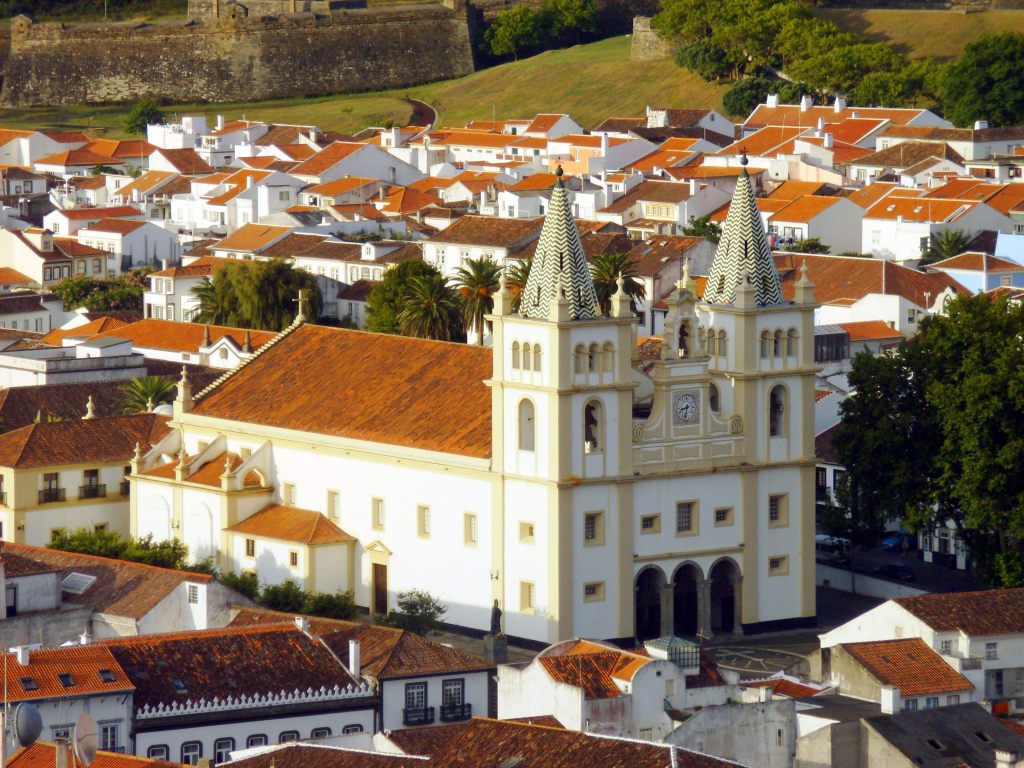
“The universal dimension of the Church is the dimension of a universality that is basic; we are not talking about a need to go to Mass, but we are talking about the need to look at human beings from their spiritual dimension and Catholics cannot just be people with religiosity, but they have to be people with spirituality. If we take the spirituality out of the Church, the Church will become a mere ritual and that’s the Church of the façade and the temples that have been built, but not the Church as the living community that Jesus came to bring,” he concluded, stressing, on the other hand, that the Church must promote intergenerational dialogue.
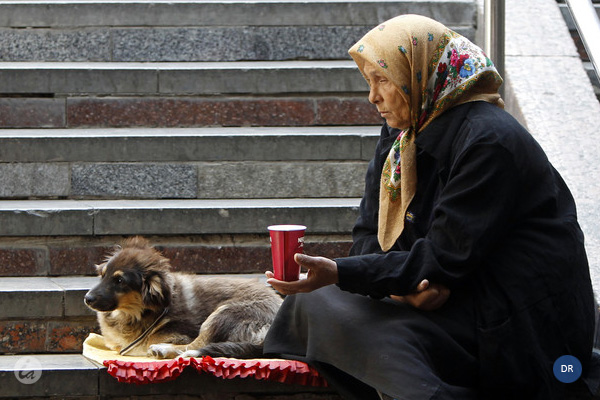
“The elderly can’t be seen as supernumeraries; they have a wealth of knowledge and skills,” he said, leaving a warning: “The Church must look at the elderly as it looks at young people; to bring in young people is to do so in connection with the older generations. A society without this connection becomes atomized and then goes looking for solutions that don’t touch each other and even appear to be disconnected from everything.”
in Diário dos Açores–Osvaldo Cabral, director
Translated to English as a community outreach program from the Portuguese Beyond Borders Institute (PBBI) and the Modern and Classical Languages and Cultures Department (MCLL) as part of Bruma Publication and ADMA (Azores-Diaspora Media Alliance) at California State University, Fresno.
 Novidades - The Islands and the Diaspora