

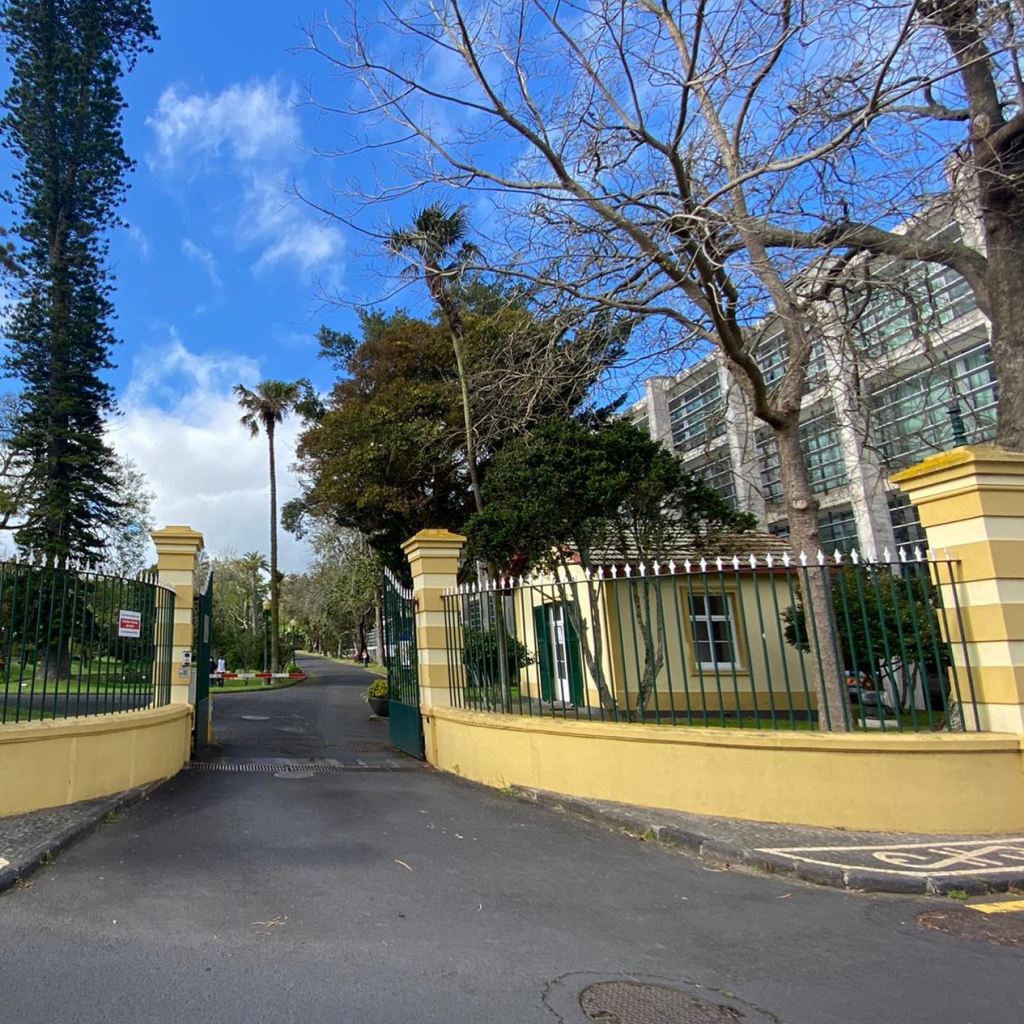
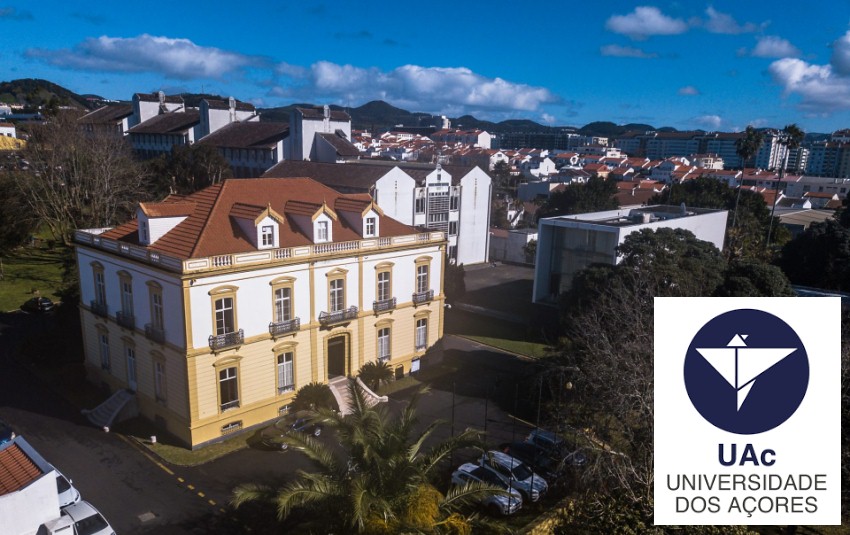
On January 9, the University of the Azores will mark its 48th anniversary with a ceremony at 3 p.m. in the aula magna on the Ponta Delgada campus, with broadcasts to the Angra do Heroísmo and Horta campuses. The Azorean Academy is currently presided over by Susana Mira Leal. Still, it has had several leaders before, and in order of time until it was founded by the rectorate, they were João Luís Roque Baptista Gaspar (1961), born in Lisbon; Jorge Manuel Rosa de Medeiros (1954), born on the island of São Miguel, Azores; Jorge Manuel Rosa de Medeiros (1954), born on the island of São Miguel, Azores; Vasco Verdasca da Silva Garcia (1939), born in Carcavelos; António Manuel Bettencourt Machado Pires (1942), born on the island of Terceira, Azores; and José Enes Pereira Cardoso (1924-2013), born on the island of Pico, Azores.
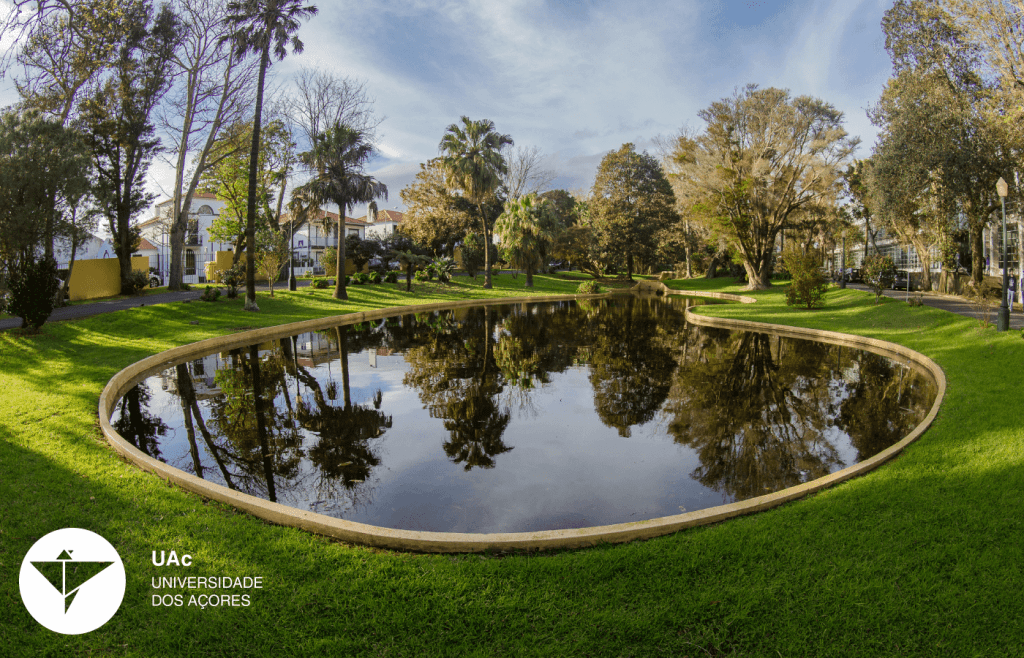
In the historical review, the Azorean Academy, the only Higher Education institution in the Azores, notes that “since the 15th century, the archipelago of the Azores has known institutions relevant to regional education. Alongside the basic fundamentals (reading, writing, and counting), provided by friars and priests, the first secondary schools appeared on the islands in the 16th century, linked to the Jesuits. The three Jesuit colleges were the forerunners of the tripolarity that the Azorean University would adopt centuries later, founding a college in Angra (in 1570), another in Ponta Delgada (in 1621), and a third in Horta (in 1652). (…) It is true that, in the 19th and 20th centuries, Azorean society found itself increasingly thirsty for knowledge to complement the profuse efforts made by the elementary schools that were already mapping the geography of all the islands. From the 1930s onwards, the creation of various cultural organizations demonstrated the Azorean public’s growing appetite for science and culture. This is the case of the Sociedade de Estudos Afonso Chaves (São Miguel, 1932); the Núcleo Cultural Manuel de Arriaga (Faial, 1939), the predecessor of the Núcleo Cultural da Horta (1955); the Instituto Histórico da Ilha Terceira (1942); the Cultural Institute of Ponta Delgada (1943) and the Azorean Institute of Culture (1955), the latter fostering various intellectual connections, for example in the “Study Weeks”, also organized in a tri-polar circuit: Ponta Delgada in 1961, Angra in 1963 and Horta in 1964. The devitalization process of the Portuguese Estado Novo would be fundamental to the maturing of the idea of a higher education institution in the Azores, perhaps inspired by the creation of the Universidade Nova de Lisboa in 1973. In fact 1974, even before April 25, Marcelo Caetano’s government created a Higher Normal School in Ponta Delgada, but it had no consequences. It was the democratic revolution and its consequences for regional autonomy that were key to the creation of the first institution dedicated to higher education in the Azores.
From institute to university
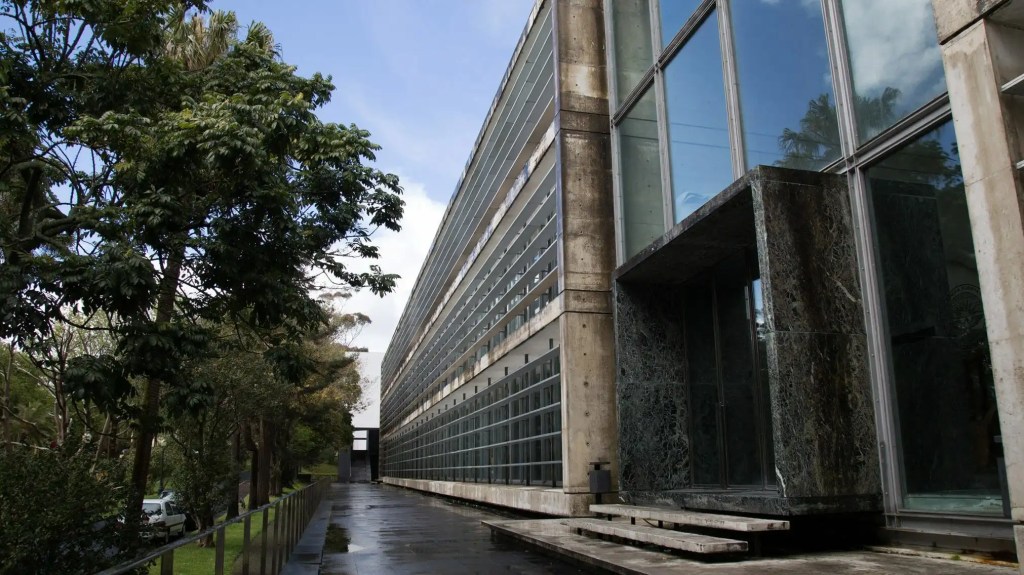
With the Revolution of April 25, 1974, the process towards Autonomy in the Azorean archipelago gained momentum. In the troubled post-revolutionary context, the idea of creating a university in the Azores took shape in 1975 through the Azores Regional Council, which put pressure on the government of the Republic. Thus, on January 9, 1976, the desired institution of higher education was born under the name of Instituto Universitário dos Aço- res. In keeping with the island’s genetics, it was distributed among the three historic regional centers: Ponta Delgada, Angra, and Horta. From then on, the university network was woven into multiple fields. The institutional and administrative organization, the hiring of lecturers and researchers, and the definition of the type of teaching to be provided were interwoven into the current university fabric. In the beginning, it was decided to invite professors who were well-known in Portuguese Universities, who were fundamental to accrediting the new regional institution, but also to recruit young graduates and other individuals from the islands who already had scientific and academic experience to balance the human resources between maturity and the tasks of the future.
(…) In 1980, four years after it was founded, the University Institute of the Azores saw all its efforts re-known: renamed the University of the Azores, it continued to develop an intense dynamic, illustrating its ability to adapt to changing times.
This onomastic dignity had various repercussions. One of them was adopting a new model in terms of supervision. Until 1980, the Institute depended solely on the Government of the Republic. From then on, the University was subject to the Government of the Republic and the Regional Government of the Azores. This dual tutelage will continue until 1994, when the UAc will again be solely dependent on the Government of the Republic, which is still in force today.
Home in Angra and Horta
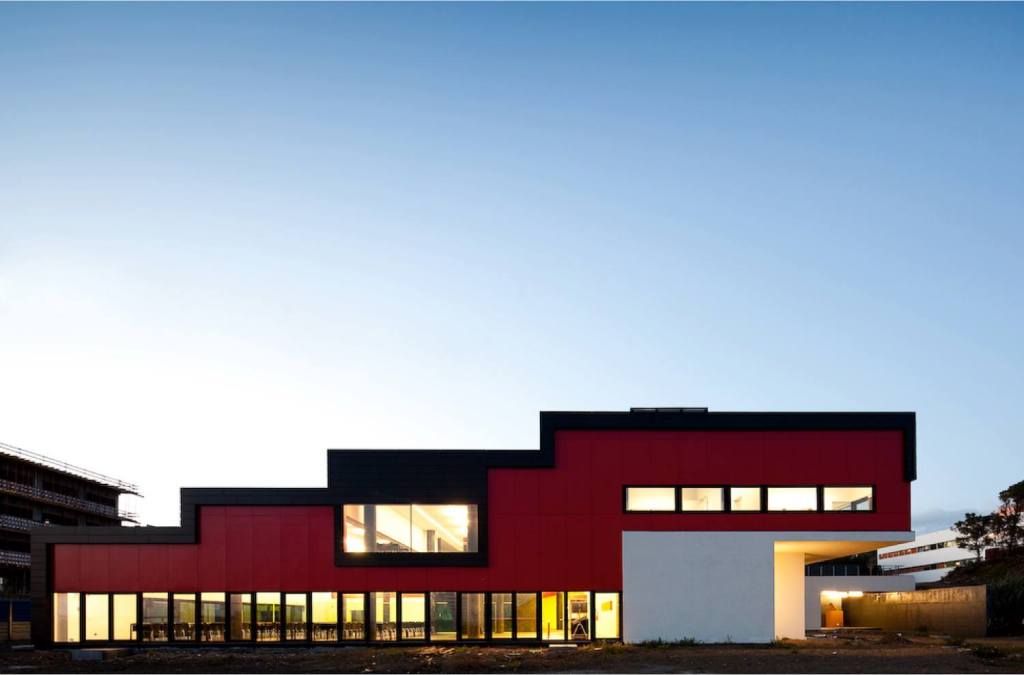
In 1976, the then University Institute of the Azores, with a campus on Terceira Island, set up the Department of Agricultural Sciences in the building of the Military Hospital located opposite the parish church of Terra-Chã. (…) In 2010, the Angra campus benefited from new facilities in Pico da Urze, namely an interdepartmental building with offices for teaching staff, laboratories, and administrative services. The old Terra-Chã facilities have thus been left behind, forming part of the group of buildings to be restored as part of the construction process for the future Terceira Island Technology Park, where the University of Steel’s Biotechnology Center will be integrated. The Department of Oceanography and Fisheries was attached to the island of Faial. Its researchers adapted to various spaces, first in old public bathhouses, then Navy dormitories and prefabricated buildings. Despite these precautions, the Department of Oceanography and Fisheries benefited from its privileged location next to the port of Horta. However, the growing needs of researchers made finding a more suitable location for university tasks essential. The space chosen was the former Santa Casa da Misericórdia da Horta Hospital, which had opened in 1903. In 1921, the hospital was renamed in honor of Walter Bensaúde, who had died a year earlier, manager of Casa Bensaúde E C.ª and a benefactor to the island of Faial. Owned by the Mise- ricórdia of Faial, the property was bought by the Gaspar Frutuoso Foundation, and the architectural restructuring project began to be planned in 2007. Its restoration was completed on January 9th, when the Department of Oceanography and Fisheries was transferred to its new premises in the urban center of Horta, where it is today.”

Some of the challenges
Over the years, the University of the Azores, which depends financially on Lisbon and receives support from the Regional Government of the Azores, has experienced various difficulties. However, it has always maintained its teaching and research projects. Program contracts have already been signed with the University of the Azores under the new model for funding higher education institutions. These contracts aim to respond positively to the specific needs of these institutions within a multi-annual framework of support for the public funding of these universities, which supports their institutional capacity building and considers their location in an outermost region.
The program contracts include measures intended to provide the University of the Azores and Madeira with more adequate means to carry out their development program, namely in strategic areas of excellence, differentiating and strongly associated with the specificities of the Autonomous Regions.
In addition to compensating for the costs of insularity and remoteness, the program contract with the University of the Azores has the following central objectives: a) the implementation of a thematic R&D program, “Azores: Ecological-Space-Ocean Transition,” which will enable the University of the Azores’ scientific and institutional capacity to be geared towards making better use of its Atlantic position and boosting the scientific fields of Space, Earth and Environmental Sciences and Technologies, and the Sea. More. Encouraging greater regional impact, namely by densifying the number of higher-level short courses on offer (CTeSP), promoting postgraduate training in the professional field, encouraging attendance at short courses and micro-accreditations, which promote continuous learning and the acquisition of new skills, as well as encouraging cooperation between the University of the Azores and leading organizations in fields relevant to the university’s development, through the creation of guest professorships with the Portuguese Space Agency (PORTUGAL SPACE), the Association for the Development of the International Atlantic Research Centre (AIR Centre) and the Luso-American Development Foundation (FLAD), supported by the Regional Government of the Azores. Also, a challenge is the construction of university residences using PRR funds.
N.C. / Source: UAc
in Atlântco Expresso, Natalino Viveiros-diretor
Translated to English as a community outreach program from the Portuguese Beyond Borders Institute (PBBI) and the Modern and Classical Languages and Cultures Department (MCLL) as part of Bruma Publication and ADMA (Azores-Diaspora Media Alliance) at California State University, Fresno–PBBI thanks the sponsorship of the Luso-American Development Foundation from Lisbon, Portugal (FLAD)
 Novidades - The Islands and the Diaspora