

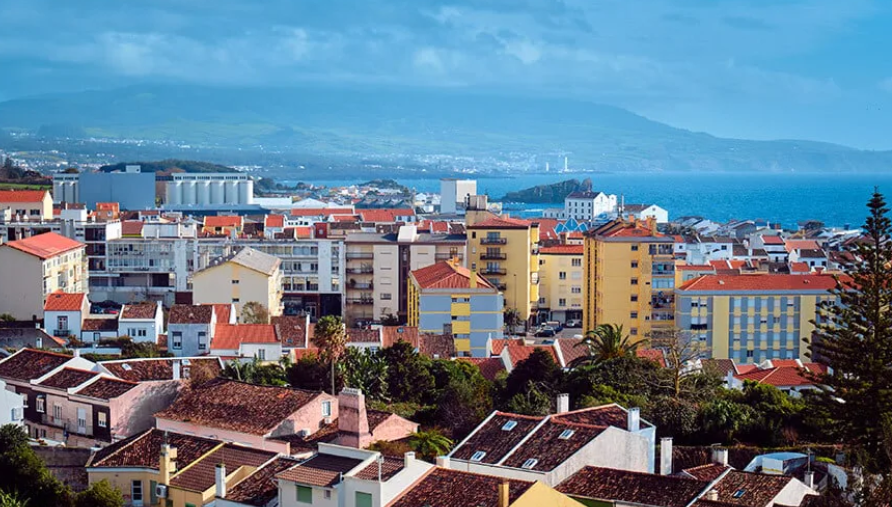
In the presentation of its 1st survey on the “state of the art” in housing in Portugal, the Sustainable Construction Portal (PCS) concludes that low incomes and the fear of losing their homes lead the Portuguese to live in substandard housing.
The conclusions are generally attributed to the population surveyed, including Azores residents, expressing the same concerns.
The study was conducted between September 21 and November 6, 2023, and aimed to understand how the Portuguese feel about their housing.
To understand whether the majority of Portuguese own their own home or rent one, and how they bear the costs if they rent one.
Whether they can keep it or have to look for more economical alternatives.
In addition, the portal also wanted to analyze the conditions in which those surveyed live and whether their homes, whether owned or not, are in good condition or whether, on the other hand, they need to be improved or even rehabilitated.
Azores and Madeira – people between 35 and 65 years old
This study also interviewed residents of the Autonomous Regions of Madeira and the Azores. People aged between 35 and 65 were interviewed. The majority of respondents were aged between 35 and 45.
In this study, by analyzing income levels, it can be seen that households living in rented homes earn a lower income, between 700 euros and 900 euros, than those who own their own home. On the other hand, most of those earning between 900 euros and 3000 euros own their own home. It can be seen in this sample that rents are between 200 euros and 600 euros, and monthly bank loans to pay for home ownership are between 400 euros and 600 euros.
This means that, in many cases, households will have to make a huge financial effort to keep up with their contractual commitments. In addition, rents are incompatible with the average income of the Portuguese, who, in this study, have a household income of between 700 euros and 1200 euros, accounting for 33.3%.
Of the respondents living in rented homes in mainland Portugal and the islands, almost 75% fear their lease will not be renewed.
And almost 66% will soon have to find a house with a lower monthly rent.
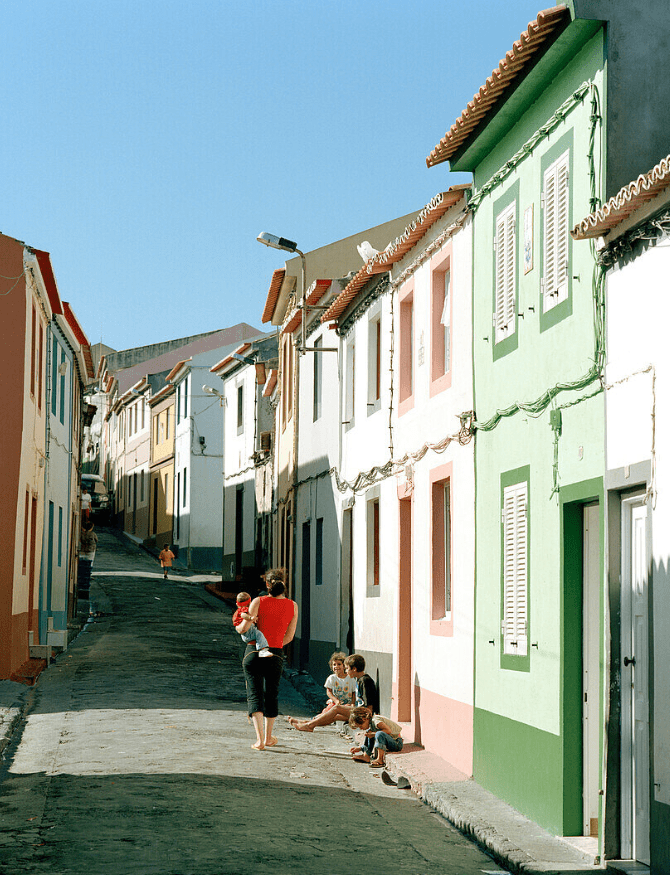
13% are about to stop paying off their loan
Regarding paying off loans, 49% of those interviewed say they can continue to meet their commitments, but 13% of those surveyed are defaulting on their loan and consequently losing the house they live in. For most Portuguese families who have their house paid off, it is their only and most important asset, their greatest wealth, resulting from savings accumulated over years of sacrifices. As for habitability issues, when asked if the house they live in needs work, almost 70% say they have problems related to thermal comfort issues.
These houses are hot in the summer and cold in the winter, with windows that don’t seal properly and a lot of humidity, among other problems.
However, the majority of those who say they have problems with thermal comfort and the like, 71%, say they will not carry out any work and will continue to live like this. The justification is related to a lack of money or because they can’t find financing.
Only 11% live comfortably.
The conclusion is that despite the government having launched financial support since 2020 so that the Portuguese can make their “homes more sustainable,” and even though just over 50% of those surveyed already know about it, it is not being used.
Even so, 43% of those surveyed were unaware of this support.
In the 2023 PCS survey on the thermal comfort conditions of the Portuguese, only 11% of respondents said they lived in a comfortable home.
And to improve thermal comfort conditions at home, 60% of the Portuguese said they spent “more than twice as much energy” in the cold season.
In the same survey, most Portuguese said they had been colder at home due to the rising energy cost because they didn’t have the money to meet this cost and keep the house warm.
60% admit to being cold in their own home
More than 60% of the population admitted to being cold in their homes to avoid spending money they don’t have.
And of those who spend time in the cold at home, 16% use more clothes to keep warm, rather than heating equipment, because it consumes energy and increases costs at the end of the month.
In this study, PCS wanted to know what the participants thought about the supposed “housing shortage in Portugal”.
It was found that 70% believe there are plenty of houses available in Portugal; the problem is that they are unaffordable for the salaries being paid.
“It should be remembered that Portugal has a vast built heritage that opens up great possibilities for rehabilitation, since many buildings need intervention. Some houses just aren’t fit to be lived in. Well, even the inhabited ones aren’t!” says Aline Guerreiro, responsible for the Portal.
Rehabilitating houses

The preservation and rehabilitation of heritage show the progress humanity has made over the years and how it has adapted to life in large urban centers. The rehabilitation of buildings should be seen as one of the main forms of sustainability in the construction sector, as is already considered in the rest of the world, especially in the more developed countries.
Refurbishment produces less waste than new construction, there is no need to waterproof more soil, materials can be reused and the urban area can be preserved.
“Of course, it’s crucial to speed up licensing and boost the rental market, but increasing supply in all residential market segments is even more important, especially for the lower classes.
There is an urgent need to create incentives to improve the conditions of existing buildings, resulting in an effective improvement of buildings, especially in thermal terms. The survey results show that the Portuguese have very low incomes and live in uncomfortable conditions to maintain their homes,” concludes Aline Guerreiro.
in Diário dos Açores, Osvaldo Cabral-director

Translated to English as a community outreach program from the Portuguese Beyond Borders Institute (PBBI) and the Modern and Classical Languages and Cultures Department (MCLL) as part of Bruma Publication and ADMA (Azores-Diaspora Media Alliance) at California State University, Fresno–PBBI thanks the sponsorship of the Luso-American Development Foundation from Lisbon, Portugal (FLAD)
 Novidades - The Islands and the Diaspora