


What is the name of your group? Grupo Carnavalesco de Tulare.
When and how did it begin?
Our group began in the fall of 1994 with the first carnaval performances for Carnaval 1995. Our group is the manifestation of Manuel DoCanto Sr.’s dream. Unfortunately, he didn’t live long enough to see the group grow and maintain his passion, but I hope we are making him proud.
How many danças and bailinhos has your group done?
Well over 50, I don’t have an exact number at this time. We had 4 years of 3 pieces each, and most years, we’ve had 2.
What are some of the themes that you have touched upon over the years?
Our danças de espada have been about serious family situations, of course. Our bailinhos and danças de pandeiro have touched on almost all topics you can think of, culture, traditions, game shows, Olympics, athletics, family drama, etc. We have taken ideas from pop culture and old classics and come up with many of our own ideas.

How do you recruit for your group?
New members come to our group through word of mouth. If we hear about someone who would like to join our group, we try to add them when space is available. We never seek out anyone with experience, especially if they are active or have been active with any other group.
What are your thoughts on the Terceira Style Carnaval (danças and bailinhos) in California today compared to when your group began?
Carnaval has evolved tremendously over the past 29 since our group started. Music and costumes have become more elaborate. “Assuntos” have become more complex and sophisticated because they have become more theatrical. I feel as though our group, and carnaval in California as a whole, has done a great job at keeping up with the modernization of carnaval over the years.

Carnaval in Terceira has had a tremendous evolution in the last 20 years. How do you see that evolution here in California?
Again, I feel Carnaval in California has evolved similarly to Carnaval in Terceira. We know that Terceira is the Mecca of carnaval- bailinhos and danças-but California is keeping up as best we can!
Have the audiences (number in attendance) decreased or continued the same since your group’s inception?
Our “plateias” -audiences- have decreased significantly over the past 29 years.
Since fewer folks in California are fluent in Portuguese, how do you see this cultural presentation in 10 to 12 years from now regarding participants and audience?
Some of our assuntos (themes) have adapted to appeal to audiences that aren’t fluent in Portuguese. However, they still require the audience to speak Portuguese to fully understand the plot line. It is difficult to wrap my head around a dança in English, but unless that happens, Carnaval in California will eventually go extinct. Maybe not in the next 10-12, but definitely in the next 20-30 (I’m remaining optimistic). I will add, however, that 10 years ago, I did not expect it to still be as strong as it is today, hence the reason for my optimism. Those of us who have carnaval coursing through our veins don’t want to imagine life here without it.

What has been the “secret” to your group’s longevity, and what prospects do you have for the future, especially for your group?
I don’t think we have a secret, but I will say that the “diehards” inspire everyone else. We have all our scripts, songs, and music written by group members, which is a huge advantage. Most of our members stay with our group year after year, a few of us are founding members! Ultimately, we have a lot of fun as a group and it is an enjoyable pastime that we look forward to. We are all friends and participate in many other cultural activities together, so our bond is strong and reaches even beyond carnaval.
In Terceira, many of the “danças and bailinhos” contain much criticism directed at government, organizations, and society, and many focus on current events. Does your group do the same here in California?
We have had a few that threw in more political content than others, nothing to the level of what I’ve in Terceira. Events throughout the year, right here in California within our Portuguese community, have often become topics alluded to in an assunto, and those seem to be the most popular.

What do you attribute to the considerable reduction in groups this year throughout the state compared to prior years? Although there was a decrease statewide, Tulare has five groups, almost half of the total for this year throughout the state. What do you attribute to the continuance in Tulare and the decrease in other areas? Do demographics play a role, such as more people moving to other parts of the state and further away from the traditional places where Terceira Style Carnaval has deep traditions?
Obviously carnaval is alive and well in Tulare, there are a lot of people who truly enjoy it. Regarding the decrease in other areas, more than demographics of people physically moving to other locations, I attribute it to people’s everyday lives being increasingly busy, and making time for one more thing is hard. Make no mistake, carnaval is a huge commitment, it takes A lot of work, time, and dedication. Even the short and simple “brincadeiras” take a great deal of effort. Someone has to be willing to put his/her life on hold to put together a group, and then find others to fill the necessary roles, it is not an easy task. Another factor could be financial, all costs are out of pocket, and I would estimate that it will cost each person roughly $500+ (that’s a very conservative number) to participate each year when you factor in costumes, costs for assuntos and music (if it is not done in-house), travel costs both for carnaval weekend and to all the practices, etc. All costs have increased significantly over the past few years.

What is your group’s stand on live broadcasts of the “danças and bailinhos”?
The audiences are what gives life to our humble performances. An empty or nearly empty hall is depressing to perform for. If we can give so much time and effort, those who can should come to the hall and watch. Admission is free! Those who can’t make it to the hall can watch at a later time. I personally know a lot of people who just wait and watch from home at a later time. I understand the comfortable appeal of that, but if there is no one in the audience, there is no reason for danças to perform, and I fear that will be the imminent death of carnaval in California. Also, these halls are sustained by the people who come out and support us! They open their doors free of charge and need all of our support!
Is there anything else you want to cover and inform our diaspora in California?
It is very important that everyone who can get out there and supports our local Portuguese cultural events!

NOVIDADES (these islands and the diaspora) by Bruma Publications from PBBI-Fresno State thanks Margaret Mendes DoCanto and GCT for taking time to answer these questions as all of us reflect on the role Carnaval from Terceira Island in our Azorean Diaspora in California. PBBI at Fresno State is committed to preserving our history and creating our narratives.
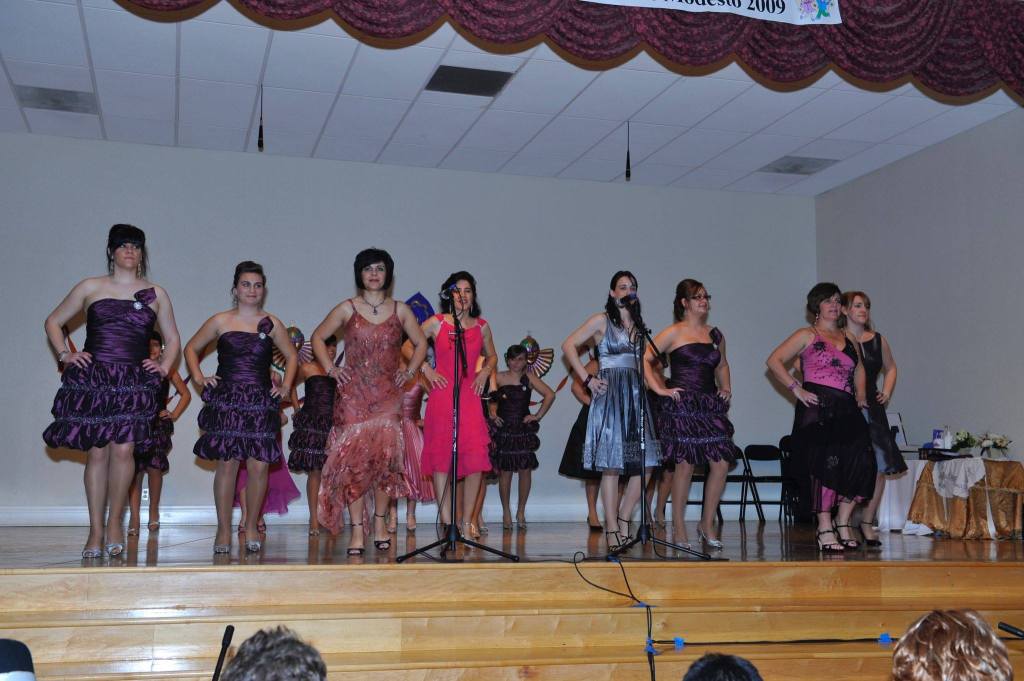
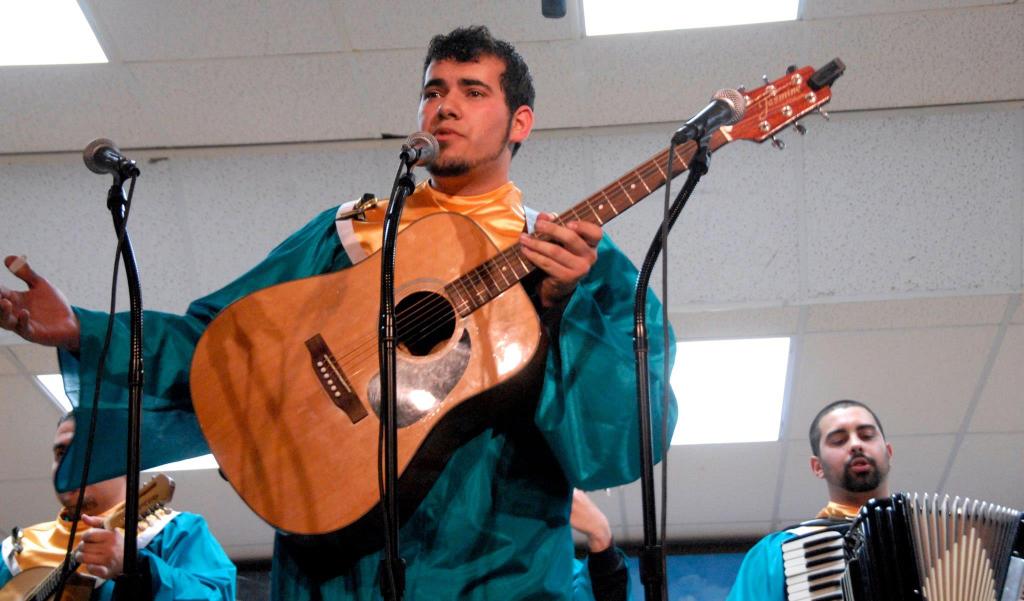
A few other pictures from GCT (Grupo Carnavalesco de Tulare) from their Facebook page


 Novidades - The Islands and the Diaspora