


The Azores have the highest at-risk-of-poverty rates when people’s employment status is taken into account, according to figures from the National Statistics Institute (INE) for 2022. The only exception is pensioners, who rank higher in the Madeiran archipelago.
According to INE, the situation worsens when there is unemployment. In this scenario, “more than half” of people are poor in both the Azores and Madeira.
Unemployed Azoreans have an at-risk-of-poverty rate of 62.3%, followed by individuals with “other types of inactivity” (46.9%).
With regard to retired people, the at-risk-of-poverty rate stands at 18.1%, and even when people have a job, it reaches 16.4% of this population.
When unemployment reaches 12 months, the rate in the Azores rises to 64.9%.
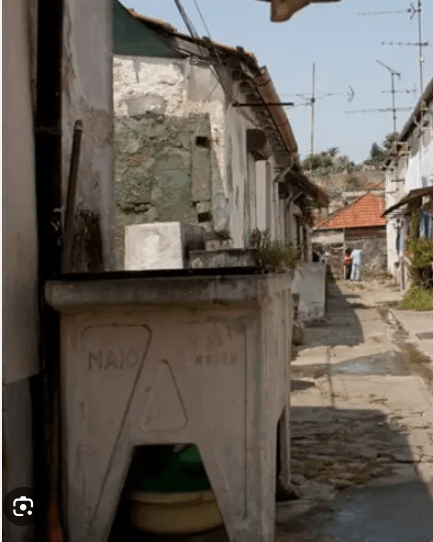
At the national level, the at-risk-of-poverty rate is 46.7% for the unemployed, 31.2% for individuals in other situations of inactivity, 15.4% for pensioners, and 10% for the employed population.
In the case of Madeira, the unemployed population has an at-risk-of-poverty rate of 57.7%, other inactive people at 43.4%, retired people at 19.5%, and employed people at 15.7%.
“The difference in poverty intensity according to work status is lower in the two Autonomous Regions when compared to the mainland, but with higher poverty intensity rates in the Autonomous Region of the Azores,” points out the INE publication.
In the country as a whole, 17% of people were at risk of poverty in 2022, compared to 16.4% in 2021 and 18.4% in 2020
in Diário Insular – José Lourenço, director
Translated to English as a community outreach program from the Portuguese Beyond Borders Institute (PBBI) and the Modern and Classical Languages and Cultures Department (MCLL) as part of Bruma Publication and ADMA (Azores-Diaspora Media Alliance) at California State University, Fresno–PBBI thanks the sponsorship of the Luso-American Development Foundation from Lisbon, Portugal (FLAD)
 Novidades - The Islands and the Diaspora