

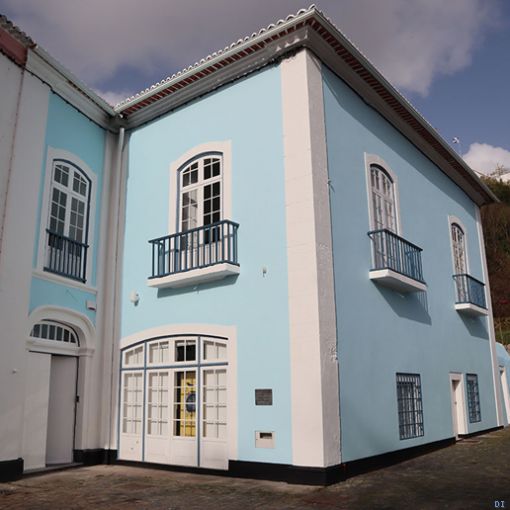
Encouraging digital nomads and freelancers to choose StartUp Angra is the proposal’s aim to amend the entity’s regulations, which was unanimously approved by the Angra do Heroísmo Municipal Assembly on February 16. “This is an (application) process that ends up taking a long time for these specific cases. It’s a matter of simplifying the process of access to the incubator for this type of interested party,” said Guido Teles, Deputy Mayor of Angra do Heroísmo, at the first ordinary session of 2024.
To access StartUp Angra, digital nomads and freelancers only need to “submit a form which will be assessed by the municipal executive,” said the Vice-Mayor. As for rental prices, Guido Teles admits that there will be “no change”, although he says there is an agreement with TERINOV “so that there won’t be a big difference in prices”.
“The maximum period they can stay in the incubator is three years, which is ideal for the two cases I mentioned (digital nomads and freelancers), although they never stay as long as possible,” he said.
In 2023, 13 new companies linked to StartUp Angra were created, bringing the number of incubated companies to 49, according to Guido Teles.
DIGITAL NOMADS
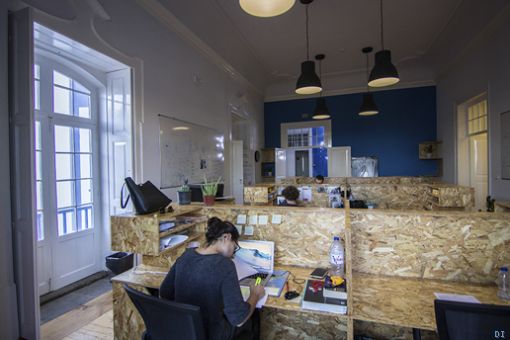
Since the outbreak of the Covid-19 pandemic, the number of people using digital tools to carry out their work remotely has grown increasingly.
A study carried out by MBO Partners reveals that since 2019 the pandemic began, the number of digital nomads has tripled, reaching a growth of 131% in 2022. This market has grown over the years as technology has advanced. There are currently around 35 million people in the world who choose this lifestyle. Studies indicate that this exponential growth will continue.
It is speculated that this number could reach one billion digital nomads worldwide by 2035.
StartUp Angra is a local business incubator hosted and managed by the Municipality of Angra do Heroísmo.
in Diário Insular-José Lourenço-director
Translated to English as a community outreach program from the Portuguese Beyond Borders Institute (PBBI) and the Modern and Classical Languages and Cultures Department (MCLL) as part of Bruma Publication and ADMA (Azores-Diaspora Media Alliance) at California State University, Fresno–PBBI thanks the sponsorship of the Luso-American Development Foundation from Lisbon, Portugal (FLAD)
 Novidades - The Islands and the Diaspora