


Investing in education is one of the priorities of Praia da Vitória’s anti-poverty strategy, as it has drop-out rates higher than the region’s average in the first cycles.
“The main difficulty lies in education. It’s not just a problem for Praia da Vitória; it’s a problem for the Azores. We must be aware that recently, the Azores and the Algarve were considered the two worst regions [in the country] regarding school success and dropout rates. This municipality is no exception to this average; even in the first cycles, it has a higher drop-out rate than the others,” said Gualter Couto, the person responsible for the strategy from Fundo de Maneio-ongoing funds
Praia da Vitória’s integrated local strategy to combat poverty and social exclusion, which includes 54 measures to be implemented between 2023 and 2027, was presented to the public yesterday after being discussed at a town hall meeting and a municipal assembly.
According to the diagnosis made by the company Fundo de Maneio, between 2016 and 2022, the municipality of Praia da Vitória showed “substantial growth in the amount of wealth created,” “in the number of jobs,” and “in the number of companies,.”
However, it lost 7.5% of its inhabitants between 2011 and 2021 and has a per capita purchasing power below the regional average, already below the national average, at 56.3% of the European Union average.
The document is divided into three axes (integrated child and youth development, qualification and employment, and territorial cohesion) with six strategic objectives: promoting school success and combating absenteeism, reducing poverty and social exclusion among children and young people, and promoting personal and professional qualifications.
“It’s a municipality where the rate of secondary school graduates is lower than the average for the region, it’s a municipality where we have a substantially lower number of graduates than the average for the region. This has to be our main fight, because that’s how we’re going to be able to give the rod instead of the fish. It’s important to help those most in need socially, but we have to find opportunities,” said Gualter Couto.
One of the ways to combat school dropouts, according to the consultant, is to “make a concrete and real commitment to vocational education.”
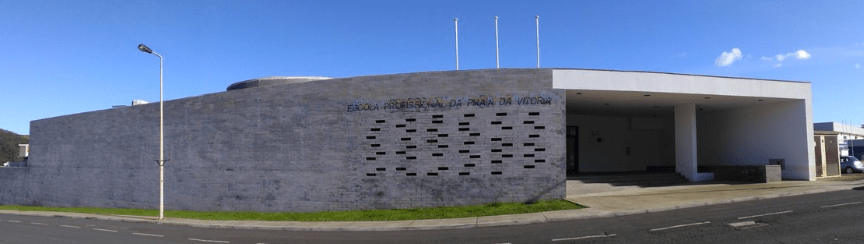
“Praia da Vitória has an excellent school in terms of vocational education, but there is still a lot of stigma in the Autonomous Region of the Azores. It’s still thought that students who go into vocational education are students who don’t have much ability and that’s not what we find when we do studies at European level. The richest countries in Europe, for example Austria or Germany, have a much higher level of development in vocational education than we find in the Azores,” he said.
Positive discrimination
Gualter Couto also defended the application of positive discrimination in public support for Praia da Vitória.
“It makes sense to look at Terceira and realize that these are two different realities, with two different development engines, and then there can also be positive discrimination for Praia in relation to Angra,” he explained.
“In the introduction of Construir 2030, they gave a 5% bonus to the most disadvantaged municipalities on the island of São Miguel, compared to the most favored. You can do exactly the same for the island of Terceira, by giving a bonus to investments in Praia da Vitória,” he added.
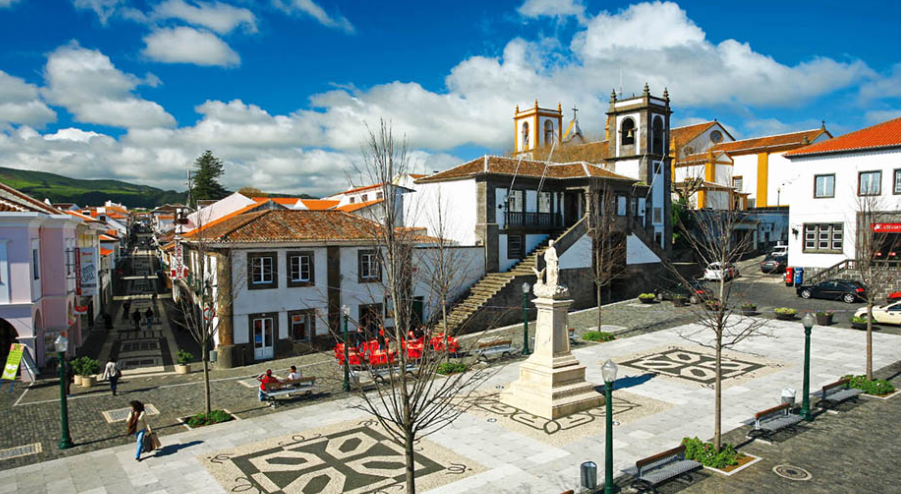
The strategy has already begun.
The mayor of the municipality, Vânia Ferreira, said that many of the planned actions are already being implemented but admitted that there are “worrying” indicators in the levels of schooling and school dropouts and a lack of skilled labor.
“We have to implement measures that can somehow entice people to settle in Praia da Vitória, but this problem of schooling is undoubtedly one of our biggest concerns,” she said.
Vânia Ferreira stressed that there are good “responses” from municipal schools in regular and professional education. Still, there needs to be greater awareness of the importance of investing in education.
“There is a devaluation of education itself. We still have families with whom we need a very in-depth intervention so that they recognize the importance of schooling and the impact it has, not only on their own lives, but also on the society in which they live,” she explained.
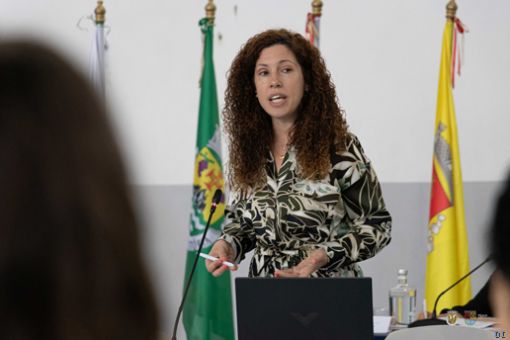
Asked about the municipality’s financial constraints, Vânia Ferreira assured that many of the measures set out in the strategy “are already covered by a budget provision.”
The mayor, who took office in 2021, also defended a more outstanding commitment to networking with other institutions.
“We were faced with a municipality that ended up duplicating services and we are reversing this view of municipal services, because that’s not what they should actually do, they should be partners,” she said.
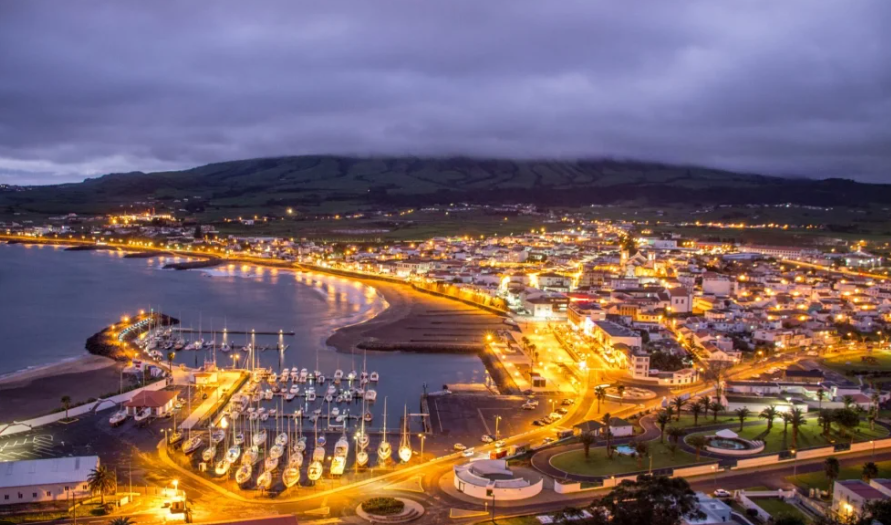
in Diário Insular, José Lourenço-director
Translated to English as a community outreach program from the Portuguese Beyond Borders Institute (PBBI) and the Modern and Classical Languages and Cultures Department (MCLL) as part of Bruma Publication and ADMA (Azores-Diaspora Media Alliance) at California State University, Fresno–PBBI thanks the sponsorship of the Luso-American Development Foundation from Lisbon, Portugal (FLAD)
 Novidades - The Islands and the Diaspora