


As a result of climate change, the biodiversity of the Azores will be affected by the proliferation of invasive species and pests, the erosion of beaches, the loss of humus in the soil, and the loss of a wide variety of habitats. Flooding has already caused material damage in Pico, which has led to the reinforcement of coastal embankments. The trade winds will affect the Laurissilva forest, a World Heritage relic. As far as birds are concerned, there will be temporary destruction of shelters due to a reduction in food resources and consequently a reduction in the survival of species. There may be salinization of groundwater sources and changes in ocean currents. Marine biodiversity will be affected, particularly animal species will change their migratory patterns, with severe consequences for fishing.” This is what Fátima Melo, a lecturer at the Faculty of Science and Technology of the University of the Azores, says about International Wildlife Day, which is being marked today.
What importance do you attach to International Wildlife Day?
The UN proclaimed March 3 as World Wildlife Day 11 years ago, given that more than a million species are threatened with extinction on the planet. This day coincides with the adoption of the Convention on International Trade in Endangered Species of Wild Fauna and Flora (CITES). It focuses on the need to find and implement measures that can help conserve the most endangered species. Ever since man first intervened in the planet’s natural environment, he has been profoundly altering it and causing high levels of global threats. The most recent and best-known example is COVID-19, which has resulted from the continued disturbance of the natural environment and the misuse of wildlife products. International Wildlife Day is therefore significant for us to start reflecting on the anthropogenic causes of threats and invasive actions to the natural environment and the need to stop and take new directions. Our genius must be used to reconcile human well-being with that of the natural environment.
What does this day mean for biodiversity conservation?
The aim of proclaiming March 3 World Wildlife Day was to raise awareness and contribute to the conservation of biodiversity. And what is biodiversity? It is the variety of species of all forms of life, as well as the complex interrelationships between life and the environment of the planet as a whole. High variability occurs within each species (genetic, morphological and physiological, biochemical, etc.), between species, as well as when living beings interact with each other and with the abiotic environment of a given region. As a result, self-sufficient communities peculiar to each area are formed, called ecosystems (for example, the terrestrial ecosystems of the Azores or the marine ecosystems also peculiar to this archipelago). An ecosystem can include several habitats. A habitat corresponds to any portion of the Earth occupied by organisms of one or more species, encompassing the resources and conditions used for survival, growth, and reproduction. It makes no sense to analyze the conservation status of wild species without analyzing the status of their habitats. This day is therefore very important because it can act as a wake-up call for ordinary citizens to take a more active and positive role when they use and enjoy the natural resources available in different habitats, be they living creatures, ponds, the sea, etc. All natural resources belong to us, have high values (economic, for example), and are generally free. Yet, incredibly, they are often ignored and neglected. World Wildlife Day is a reminder that we should take care of natural resources like we take care of our homes and loved ones.
What are the main challenges facing wildlife in the Azores?
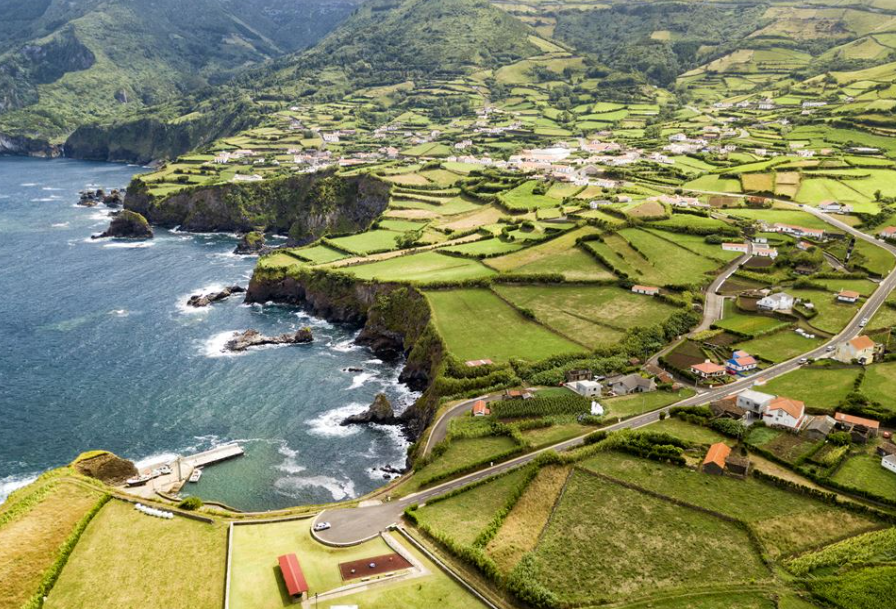
The loss of biodiversity in the Azores has been increasing since man first colonized these islands, mainly due to the fragmentation of habitats caused by deforestation, the introduction of exotic species, the planting of monocultures, urbanization, and agriculture. These phenomena have led to the extinction of countless endemic (exclusive and natural to the archipelago) plant and animal species. These extinctions have been documented by several researchers from the University of the Azores and other researchers from universities around the world. They have caused irreversible impacts on all trophic and ecological levels. The consequent de-characterization of the respective habitats has made the natural environment of the Azores poorer and less unique.
We need to ensure that the trade in plants and animals does not put the survival of many wild species at risk. Regular and rigorous monitoring of passenger unloading and baggage by the competent authorities at the Azores’ airports and ports is essential to achieve this.
The creation of wildlife parks and reserves has fortunately taken place in recent decades in the Azores. However, regular monitoring of these spaces is crucial, with a view to compliance with the inherent legislation, as well as the acquisition of good practices on the part of citizen users. The rehabilitation of degraded natural landscapes has provided more suitable habitats for wildlife, as is the case with the increase in areas of Laurissilva in the northeast of the island of São Miguel. The restoration of this natural ecosystem has allowed an increase in the number of individuals belonging to the Azores’ only current terrestrial endemic bird species – the Priolo. The extinction of several endemic bird species in the Azores due to human action has been scientifically proven. Involving the local human population in sustainable activities has helped to increase support for conservation, but it should also guarantee the long-term use of natural resources. Raising awareness among ordinary citizens and economic agents so that they contribute to actions to conserve the Azores’ biodiversity in a sustainable way must therefore be ongoing.
What conservation initiatives and projects have been developed at the University of the Azores to protect wildlife in the region?
There are countless conservation projects implemented by the University of the Azores in conjunction with the most varied institutions in the archipelago (government departments, NGOs, local councils, Expolab and many private entities, etc.), and with national and foreign research centers. Many of these projects and initiatives appear in the fortnightly publication of the University of the Azores – UAciência. These projects and initiatives include researchers from diverse areas and sub-areas, such as biology, geography, geology, physics, chemistry, and mathematics. Wildlife conservation will potentially be all the more efficient, interdisciplinary, and inter-institutional since it will be able to respond more effectively to the different threats and risks facing the most vulnerable species.
How can the Azorean community contribute to wildlife conservation on the islands? What role do young people have in raising awareness of wildlife conservation and promoting sustainable practices?
Taking care of the natural environment and showing children how to do it. Don’t collect or capture plants and animals in the wild; don’t transport them to other places, be they neighboring islands or continents. Don’t bring more exotic living creatures to the Azores, and avoid buying animals in stores (if they escape, they can be harmful). We also need to help protect plants and animals native to other regions and human health in general when traveling: don’t buy traditional Chinese medicines, don’t buy wild animal skins (only domestic/captive ones), don’t buy ivory, coral, turtle shells, etc.
Citizens should get to know the native species of the Azores (including the most endangered ones), voluntarily participate in associations that protect nature, participate in community conservation actions, and vote for parties with ecological concerns. The community should plant plants native to the region to attract wildlife, not use or avoid chemicals, and control pests with the help of natural predators (ladybugs, for example).
Choosing products from family or organic farms is very important for preserving the natural environment and human health: buy from local producers and avoid food from distant areas, give preference to organic food free of toxic products, plant aromatic herbs (use pots in apartments), use food waste as fertilizer in the garden or for ornamental plants. Young people are very important interlocutors in raising adult awareness of wildlife conservation and promoting sustainable practices because school curricula currently include many lessons and initiatives in these areas, such as laboratory experiments, beach clean-ups, nature trails, etc.

What are the emblematic species of wildlife in the Azores?
According to the Azores Biodiversity Portal (PBA), there are more than 10,000 wild species in the Azores, of which 573 are endemic terrestrial and marine species and subspecies. These belong to various taxonomic groups: from bacteria to fungi, plants and invertebrate and vertebrate animals. The average citizen can choose the group or species they are most interested in and consult the Portal to learn more about them and take part in conservation actions. These actions are carried out by various organizations, such as the Expolab Living Science Center, based on the island of São Miguel.
How can scientific research help to preserve wildlife and sustainably manage the islands’ natural resources?
Wildlife conservation includes the development of research projects in areas as varied as biology, geology, geography, hydrology, and so on. These projects can comprise, for example, identifying threats to various species (which can be microorganisms or mammals, such as bats or whales). Analyzing variations in abundance in relation to different environmental factors, such as land use and natural resources, is another example. The results of research projects allow scientists to propose to government bodies the most appropriate strategies and measures for wildlife conservation and the sustainable management of natural resources. It is up to government bodies to implement these strategies and measures, as well as to monitor and supervise protected areas so that the legislation created for this purpose is complied with.

How can climate change impact the wildlife of the Azores? What measures can citizens take to mitigate these effects?
The release of carbon from fossil fuels leads to the accumulation of CO2 in the atmosphere, which in turn increases the greenhouse effect and the temperature of the planet. These global climate changes increase storms, torrential rains, landslides, floods, periods of drought and cause strong winds. The same climate changes lead to the acidification of the oceans, changes in flowering periods, and the production of plant seeds. The latter cause changes in the geographical distribution of animals (bees, for example), a decrease in biodiversity and a reduction in food for many human populations (increasing poverty and hunger).
According to forecasts, the temperature in the Azores will rise by between one and two degrees Celsius between 2070 and 2100, the frequency of precipitation will be higher, and the sea level will be higher. As a result of climate change, the biodiversity of the Azores will be affected by the proliferation of invasive species and pests, the erosion of beaches, the loss of humus in the soil, and the loss of a wide variety of habitats. Flooding has already caused material damage in Pico, which has led to the reinforcement of coastal embankments. The trade winds will affect the Laurissilva forest, a World Heritage relic. As far as birds are concerned, there will be temporary destruction of shelters due to a reduction in food resources and consequently a reduction in the survival of species. There may be salinization of groundwater sources and changes in ocean currents. Marine biodiversity will be affected, and animal species will change their migratory patterns, with severe consequences for fishing.
The islands’ biodiversity is a concern, especially the marine areas close to the coast, which contain unique ecosystems with endemic algae, plants, invertebrate/vertebrate animals, etc. Research projects need to be developed to better understand the biological limits of the populations of the species in question. Island species have evolved free from competition from a large number of other species and are therefore more susceptible to invasions by exotic species. Populations of island fauna and flora tend to be minor, and species are often concentrated in small specific areas, where they are subject to various natural and anthropogenic pressures that endanger their survival. In addition, they can be highly specialized. Biodiversity is therefore extremely vulnerable on small, oceanic and remote islands like the Azores.
Climate change will also affect agriculture (new pests), livestock (new diseases), tourism, and other coastal economic and social activities in the Azores. The settlements with the most extensive financial and social activity are concentrated on the coast: infrastructure related to transportation, such as airports or highways; water supply, treatment, and supply; energy distribution; hotels and restaurants.
It is therefore pertinent that we, as citizens who are aware of global and local climate change, adopt behaviors that can mitigate the aforementioned effects before they become more evident in the Azores.
Carbon energy is stored in everything we consume: food, clothing, transportation, housing, etc. According to scientists, the Paris Agreement is enough to reduce fossil energy consumption by 5% per year worldwide to not exceed two degrees Celsius. If we do nothing by 2070, a third of humanity could live in hot, uninhabitable regions like the Sahara, and three billion people will be displaced (a third of humanity). We must therefore save energy by consuming what is strictly necessary. We urgently need to reduce our consumption of fossil fuels: oil, coal, and gas. We should choose to travel preferably on foot or by bicycle, public transport, and electric vehicles. It is essential to reduce our water consumption: washing dishes preferably in the dishwasher and turning on the tap when strictly necessary when taking a shower, brushing our teeth, etc. We should adjust our diet: eat regional and seasonal ingredients, use food as much as possible to reduce garbage and waste, avoid eating impulsively, and plan meals. We need to cut down on electricity consumption in our homes: avoid using electrical appliances at peak times; check that the rubbers on the fridge seal well; when washing and drying clothes, use the maximum amount; replace incandescent light bulbs with fluorescent ones or use LED bulbs (they use 75% less and last longer); avoid ironing clothes; when ironing, accumulate a reasonable number of pieces, iron everything once and turn off the iron before ironing the previous piece. We shouldn’t buy more than we need: clothes, shoes, food, etc. School and office supplies should be used to their full potential. We must choose products with less packaging, reuse, recycle, and reduce waste. Before recycling, we should reuse packaging and other materials and prefer reusable bags for shopping. We should pay bills online, use glass or ceramic mugs, put disposable masks in the regular garbage and put light bulbs, batteries, used oil, tires, medicines and electronic equipment in the appropriate garbage containers. It’s also important to choose environmentally conscious brands.
Carlota Pimentel, journalist for Correio dos Açores-Natalino Viveiros, director
Translated to English as a community outreach program from the Portuguese Beyond Borders Institute (PBBI) and the Modern and Classical Languages and Cultures Department (MCLL) as part of Bruma Publication and ADMA (Azores-Diaspora Media Alliance) at California State University, Fresno–PBBI thanks the sponsorship of the Luso-American Development Foundation from Lisbon, Portugal (FLAD)
 Novidades - The Islands and the Diaspora