

1. Please give us a brief biography: where you were born, your journey to where you are today, and your connection to the Portuguese and Lusophone world.
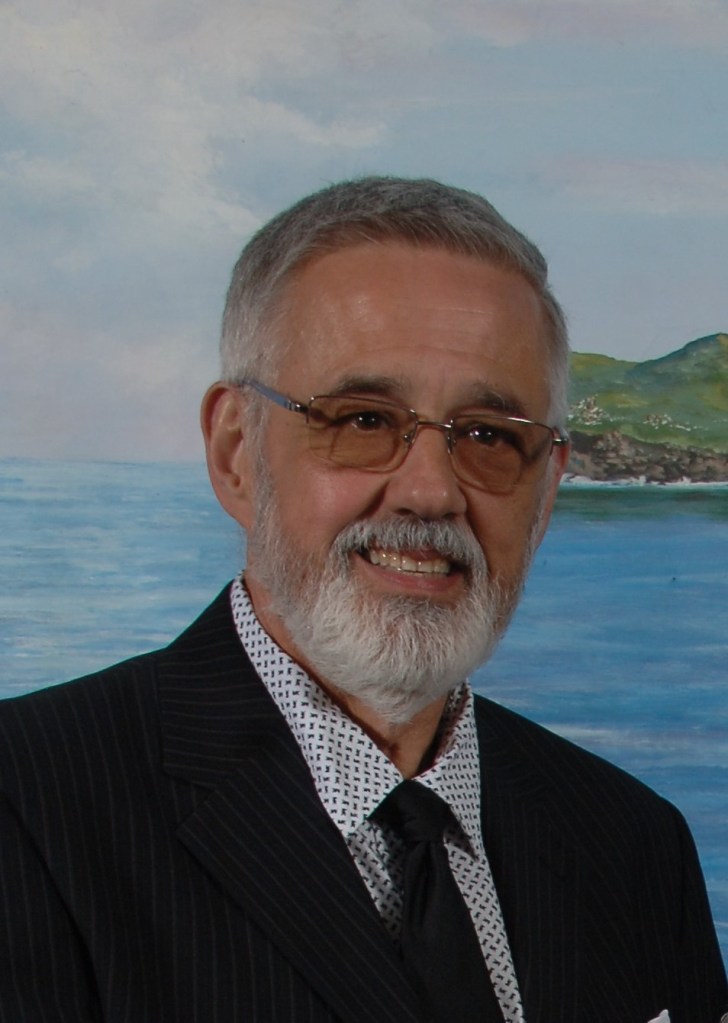
My name is Arnold Rodrigues. I was born in Rio de Janeiro, Brazil, on July 24, 1957. At 12, on June 6, 1970, I came to California on a student visa to attend school in the United States. I lived with my aunt, Alzira Nunes until I graduated and married my high school sweetheart, Mary Jo, in 1977. My wife, Mary Jo, and I have three beautiful children (Jeannie, Danniel, and Sara). I worked for Hewlett Packard (HP) for over 30 years until retiring in 2009. At HP, I was allowed to take college courses in computer science and build a successful career as an Operations Manager for our Latin country’s printing services business.
My family joined LUSO in 1990 as part of Mountain View/Santa Clara’s Fraternal Council. My children were very involved and performed at LUSO conventions for several years. As a family, we have always supported our local Portuguese organizations and helped wherever possible.
2. How did you get involved in the Luso-American Education Foundation, and what has been your trajectory in this organization?
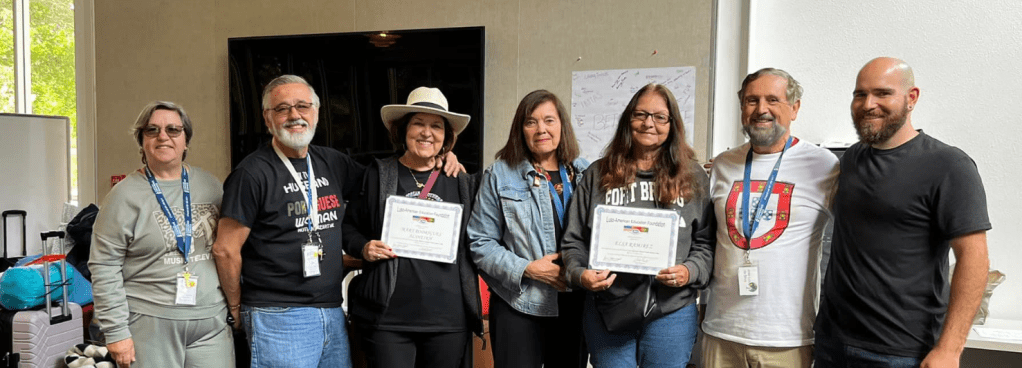
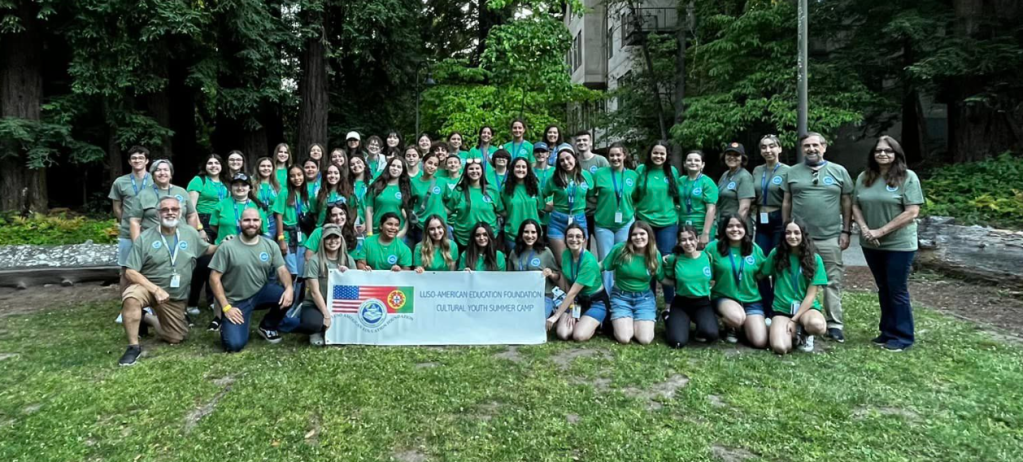
I first got involved with the Luso-American Education Foundation (LAEF) when my son, Danniel, attended the first LAEF Cultural Youth Summer Camp at UC Santa Cruz in 1998. Since then, I’ve been involved with the Foundation in various capacities, including working as the LAEF Administrative Director/Secretary in 2016. I have been part of LAEF’s Board of Directors since the early 2000s and currently serve on several committees, including the Finance, Cultural Youth Summer Camp, and Fundraising committees.
3. What is your vision for LAEF? How do you see the organization’s relevance today compared to half a century ago?
My vision for LAEF is to continue to promote Portuguese culture and language while financially assisting Portuguese American students aspiring to achieve their dreams of higher education. I believe in this organization and think it’s as relevant today as it was a century ago. However, we can enhance our impact by increasing our scholarship amounts. This enhancement reflects our dedication to supporting the educational ambitions of our community but also ensures that LAEF continues to serve as a vital bridge between heritage and future success for Portuguese American students.
4. What would you like to see as short and long-range goals for the organization? Are there any particular changes you would want to see come to fruition at LAEF?
Looking ahead, I envision LAEF playing a pivotal role in advocating for the inclusion of high school Portuguese language programs in California, especially in areas with significant Portuguese communities. In the short term, I’d like to see LAEF actively engage our past scholarship recipients to become integral members. Whether they join our Board of Directors or committees, we need their fresh perspectives and innovative ideas to reach younger generations. By nurturing this young talent, we ensure that LAEF remains dynamic and relevant for years.
5. Can you briefly reflect and summarize your thoughts on the Portuguese and Lusophone Diasporas in California, considering that immigration, at least in significant numbers, ended over 40 years ago? What challenges and opportunities do you see for our Portuguese and Lusophone diasporas in California?
As Portuguese immigration to the US has declined exponentially, we face the challenge of instilling the same passion for their cultural heritage in young Portuguese Americans. Encouraging greater involvement of the younger generation in our Portuguese organizations and fostering their active participation in decision-making processes are vital steps forward. However, this necessitates a reciprocal effort from the older generation to be more inclusive and open to the ideas of our youth. Genuine inclusivity is key to bridging the generational gap and fostering a sense of belonging for young Portuguese Americans for years to come.
 Novidades - The Islands and the Diaspora