


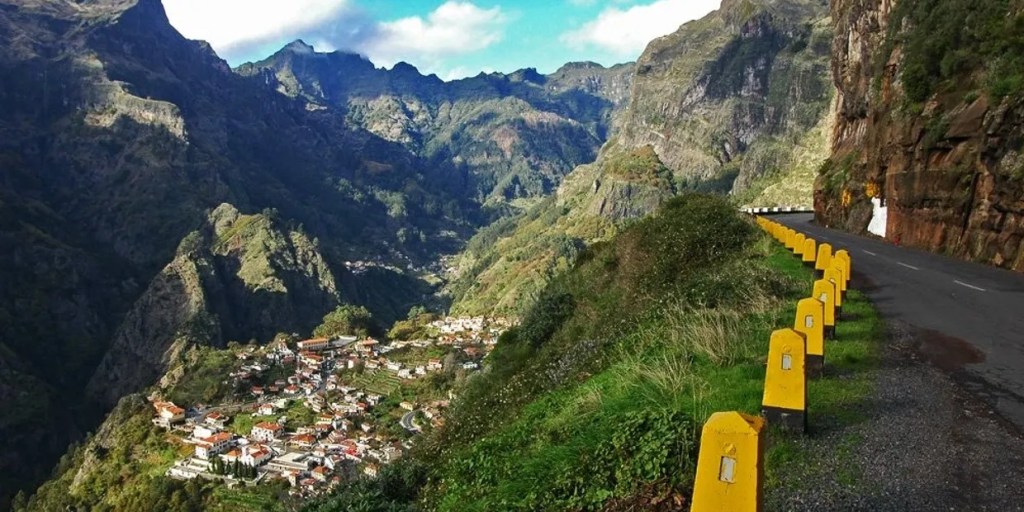
Curral das Freiras’s origins date back 458 years when the nuns of the Convent of Santa Clara took refuge in the middle of the island and the mountains in 1566 to escape pirates who were invading Funchal. It wasn’t until 234 years later that this remote valley on the island of Madeira was recognized as a parish in 1800. Today is a day to reflect on the present and the future without neglecting the past, which has been marked by isolation.
‘Curral’, as everyone calls it, is the largest parish in the municipality of Câmara de Lobos, with an area of 25.07 km². Still, it is the smallest in terms of population size, which in 2021, according to the Census, reached the lowest number in 100 years (in 1920, there were 1,476). Three years ago, there were 1,580 inhabitants, while in 2011, there were 2,001 inhabitants (2011), and its population density went from 79.8 inhabitants/km² to 63.02 inhabitants/k2.
Since the census was taken in 1864, 64 years after Curral das Freiras was elevated to a parish, a total of 933 inhabitants have lived in the remote valley. The population has fluctuated, reaching an all-time high of 2,705 in the 1970 census. This gave a population density of 107.89 inhabitants/km².
In other words, the parish clearly has a population problem that calls its future into question, as the average age of its inhabitants is deteriorating in the face of statistics, as in 1991 it was 30.72 years old and 30 years later it was 15 years older, at 45.64 years. In 2001, the population aged 0 to 14 was 424, but by 2021, it had fallen to 159, a reduction of 62.5% in the space of 20 years, while in the same period, the elderly population (65 and over) increased by 55.8% from 197 to 307 people.
Although in terms of educational attainment, the parish has changed a lot, and for the better, the problem of settling the population remains dramatic. To give you an idea, in 2001, there were 744 people without the first four years of schooling completed. By 2021, this had fallen to 744 people, 46.1% less in 20 years. In this period, the number of people with secondary and post-secondary education rose from 20 to 222, an increase of 1,010%, and the population with completed higher education rose from 3 to 53, an impressive growth of 1,666.6% in two decades.
In fact, the most recurring theme in the past, present and, indeed, future is the fact that Curral das Freiras is still connected by a single road, not to the neighboring parish (Jardim da Serra) in its municipality, Câmara de Lobos, but, as everyone knows, to Funchal, which keeps the parish in picturesque isolation and makes agriculture the main activity, even though its population, as we have seen, has never been so well educated. And there are no jobs to keep people in the parish. The solution for many has been migration or emigration.
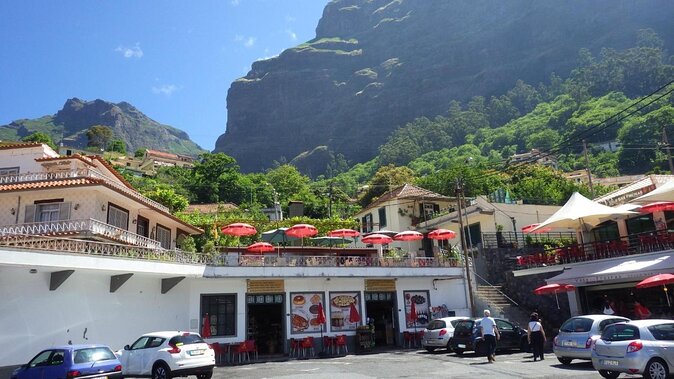
The construction of a tourist attraction, the controversial cable car, is the topic of the moment and will undoubtedly be in the spotlight again on March 17, 2024. In fact, it should be the central theme of the planned speeches.
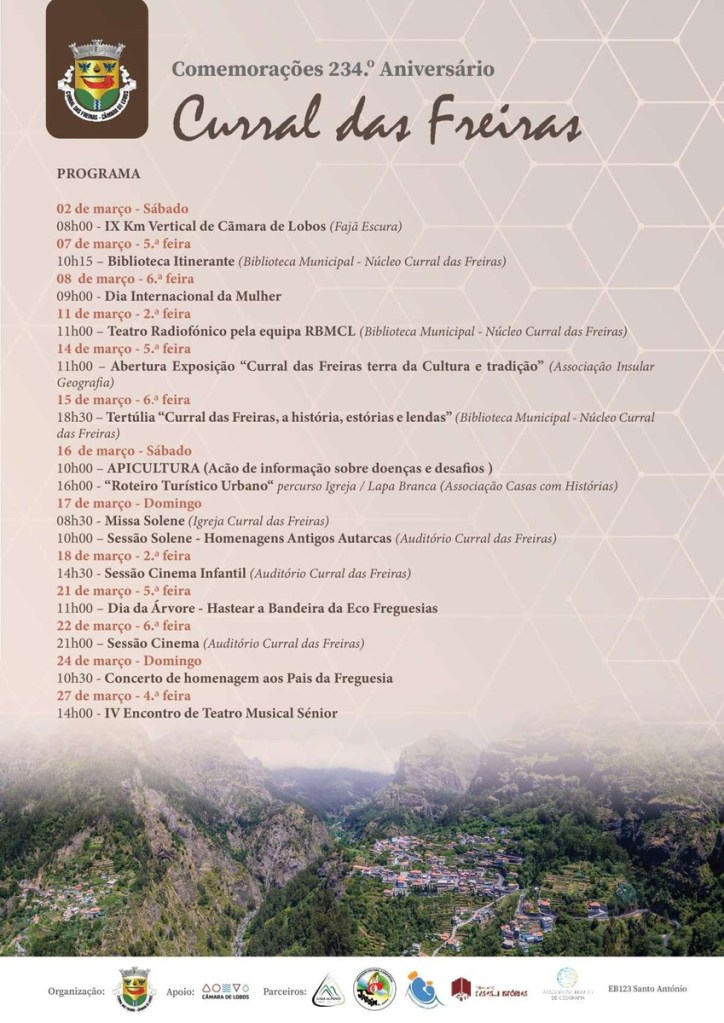
The celebration program is the usual one: at 8:30 a.m., a solemn mass will be held in the bicentennial church of Curral das Freiras, followed at 10 a.m. by a solemn session paying tribute to the former mayors in the Curral das Freiras auditorium, where the concerns of Curraleiros (the name for the residents of the area) will indeed be taken into account.
in DN-Madeira- by journalist Francisco José Cardoso
Translated to English as a community outreach program from the Portuguese Beyond Borders Institute (PBBI) and the Modern and Classical Languages and Cultures Department (MCLL) as part of Bruma Publication and ADMA (Azores-Diaspora Media Alliance) at California State University, Fresno–PBBI thanks the sponsorship of the Luso-American Development Foundation from Lisbon, Portugal (FLAD)
 Novidades - The Islands and the Diaspora