


At total capacity, the Engenho Novo da Calheta has already processed more than 900 tons of sugar cane by April 18, 2024.
This mill has been receiving raw materials mainly from Calheta and Quinta Grande. It estimates it will finish processing sugar cane at the end of May with a provisional total of 2,500 tons.
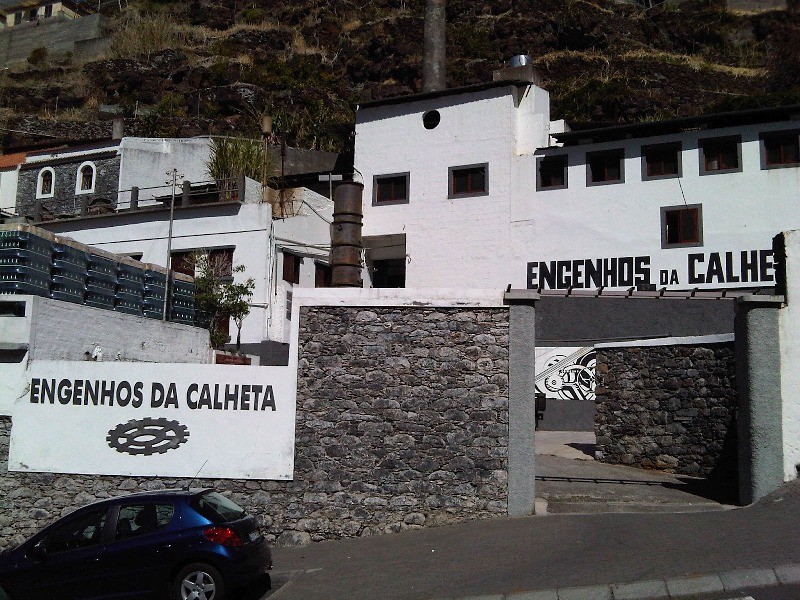
The three members of the Board of Directors of the Madeira Wine, Embroidery and Handicrafts Institute (IVBAM), Tiago Freitas, Gonçalo Tito and Marisa Santos, accompanied by the Regional Director for Agriculture and Rural Development, Marco Caldeira, visited the company that produces Rum Agrícola, Engenho Novo da Calheta, represented by Celso Olim, as part of the outreach initiatives with rum traders, on the eve of the opening of the Madeira Rum Festival.
These visits have allowed those responsible at IVBAM and DRA, as well as following this year’s sugar cane campaign, to understand the whole process and its difficulties and needs.
Remember that the price to be paid for each kilo of sugar cane will be 50 cents in 2024. This historic figure comes after several meetings with farmers, including all the mills in the region, the ACOESTE Agricultural Association, and the ACIF Board, which also included the farmers chosen following the meetings promoted by the SRAA with farmers in Canhas and Porto Moniz.
Another of the farmers’ demands, which has now been met, is the freedom to choose direct delivery by the sugar cane producers to the mills. The additional payment varies between 3 and 7 cents per kilo, depending on the distance from the plot to the mill. The agreed value of 50 cents per kilo guarantees labor in the face of high production costs. Organic production and the Canica variety have an additional 3 cents the mills pay.
In Jornal da Madeira, online
Translated to English as a community outreach program from the Portuguese Beyond Borders Institute (PBBI) and the Modern and Classical Languages and Cultures Department (MCLL) as part of Bruma Publication and ADMA (Azores-Diaspora Media Alliance) at California State University, Fresno–PBBI thanks the sponsorship of the Luso-American Development Foundation from Lisbon, Portugal (FLAD)

 Novidades - The Islands and the Diaspora