


The Azores have been named “Best European Destination” by Viajes National Geographic magazine voters.
The announcement was made last Thursday, April 18, in the 290th issue of the magazine on its website and social networks.
The award describes the region as “a string of pearls anchored in the middle of the Atlantic, with good air connections and a wide variety of tourist infrastructures,” reads the publication.
For Berta Cabral, the Regional Secretary for Tourism, Mobility, and Infrastructures, this is an “emphatic and commendable recognition” of the work done by the Regional Government, VisitAzores, and businesspeople in the sector to promote the region as a tourist destination.
For Berta Cabral, receiving the award “is robust evidence of the success of the tourism development strategy we are following.”
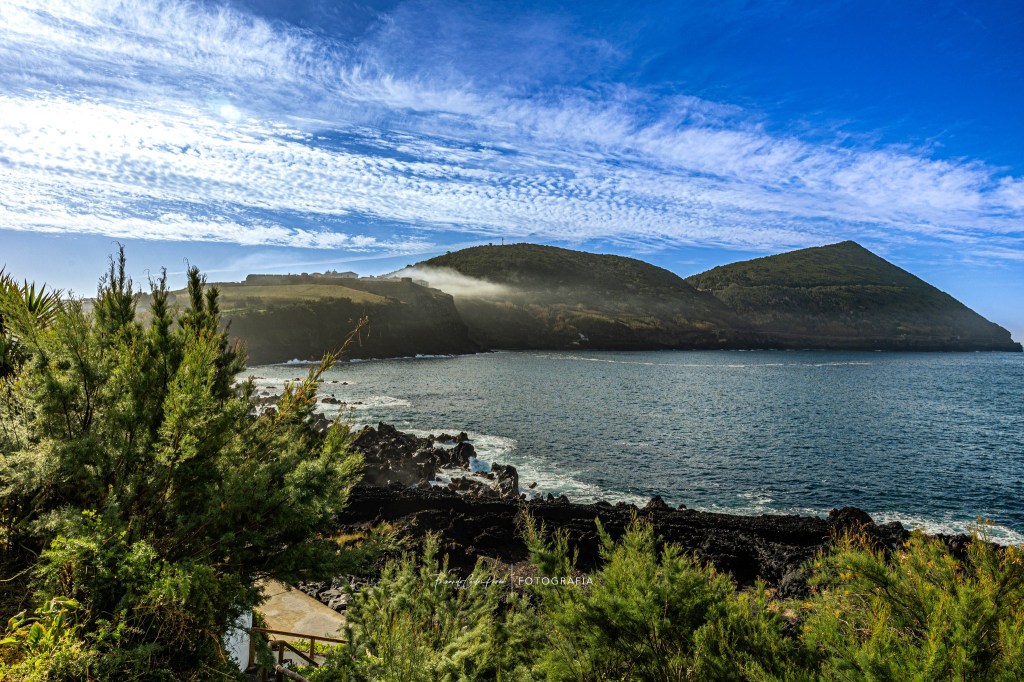
The magazine states, “Each of the nine islands of the Azores offers unique landscapes where it is possible to carry out multiple activities.”
In this sense, she says the comment “only gives reason to our fundamental objective of having tourism all year round on all the islands.”
She recalls that diversity should be a strong tourism point in the Azores.
“The diversity associated with adventure tourism and the natural and cultural richness of the nine islands of the Azores is a differentiating factor that helps disperse tourist flows throughout the territory and mitigate seasonality,” said the Regional Secretary for Tourism, Mobility, and Infrastructures.
The latest tourism figures for the region show an 11.4% increase in overnight stays in tourist accommodation in February.
“In February, all tourist accommodation establishments (hotels, apartment hotels, tourist apartments, inns, local accommodation units and rural tourism units) in the Azores recorded 154,800 overnight stays, 11.4% more than in the same month of the previous year,” reads the SREA’s tourism activity report for February, released this week.

in Diário Insular, José Lourenço-director
Pictures by Fernando Pavão
Translated to English as a community outreach program from the Portuguese Beyond Borders Institute (PBBI) and the Modern and Classical Languages and Cultures Department (MCLL) as part of Bruma Publication and ADMA (Azores-Diaspora Media Alliance) at California State University, Fresno–PBBI thanks the sponsorship of the Luso-American Development Foundation from Lisbon, Portugal (FLAD)

 Novidades - The Islands and the Diaspora