

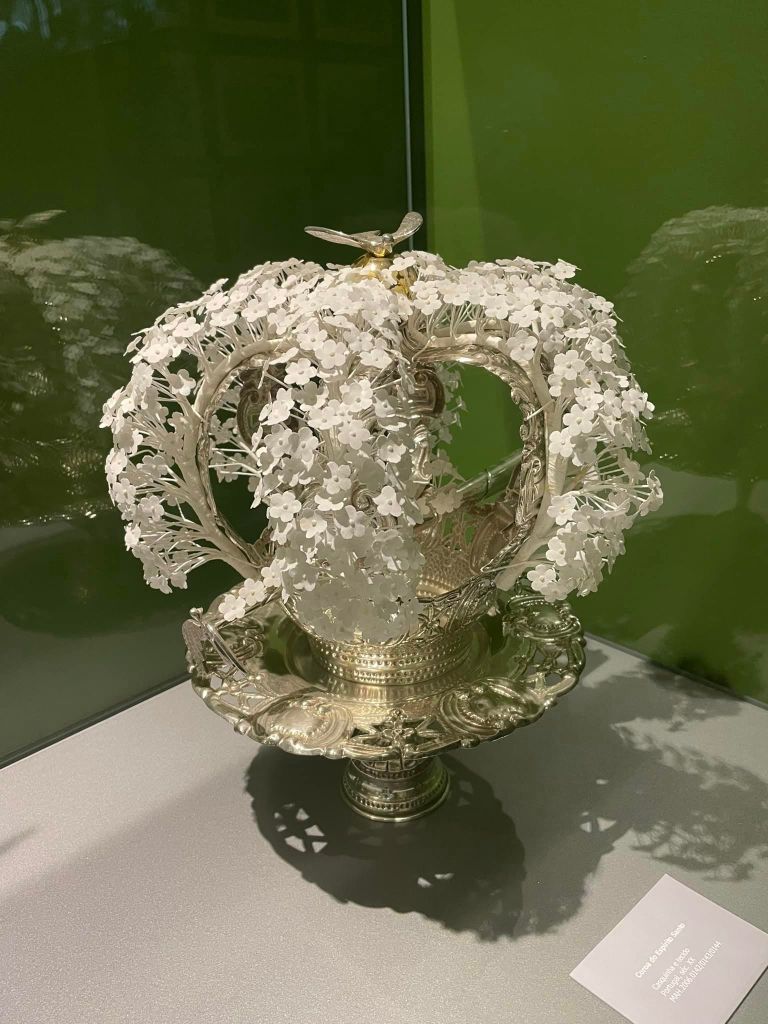
Our tourist destination cannot limit itself to offering a diversity of natural beauties, different from island to island, promoting hiking trails and mountain walks, offering sea trips for whale watching, seabed watching or recreational fishing, visiting the deep cavities of the islands or tasting our gastronomy, the variety of cheeses and wine products.
The Azores have much more to offer. There is an immense popular culture, expressed in language and speech, literature and the arts, from music to painting, in the richness and diversity of handicrafts that distinguish and enhance us.
Tourism on the nine Azores islands cannot just be seen as a highly profitable product that adds value to the economy and our exports. Our islands are much more than dollar signs or euros. They are a wealth of culture that goes beyond the pure and complex economics of adding value to a spreadsheet.
Our identity has immeasurable value.

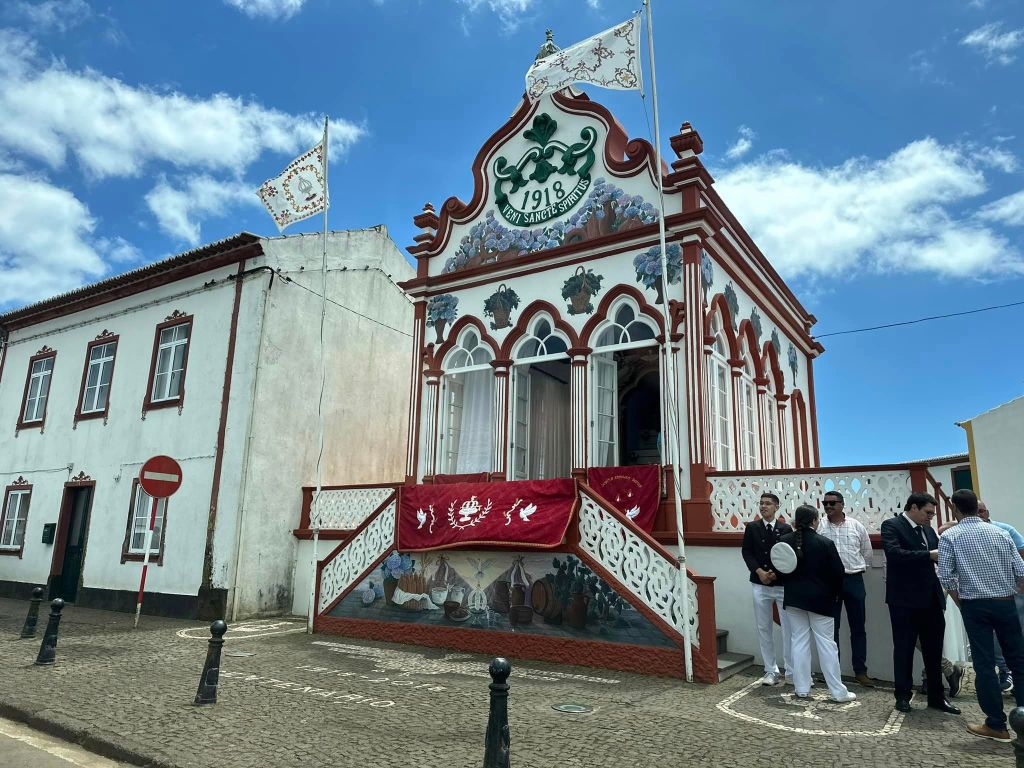
For weeks, our social dimension has been based on religious manifestations: Santo Cristo and, above all, the celebrations of the Holy Spirit. There isn’t a single land or place where this secular festival isn’t celebrated with dignity, manifesting the faith of the Azoreans and their connection to divinity, translated into popular piety and the joy of sharing goods.
Over the centuries, these values have acquired their own rituals, which differ from island to island and sometimes from locality to locality.
This is our identity, and it is also the richness of the Azore’s destination.
A few days ago, the mayors of São Jorge decided to enhance the Holy Spirit festivities by integrating them into a religious tourism program. I applaud them.
For years, I have been arguing that the soul of the Azorean people, which has been built up since they were first settled, is much more than the beauty that nature has given us. The Azorean soul is nature; it is landscape, land, sea, fog, rain and sun, black stones and delicious wine, typical and tasty gastronomy, but it is also belief, sacrifice, a feeling of divine dependence, an unshakeable faith that emigrants have carried in their hearts to faraway places and which is celebrated here and there every year.
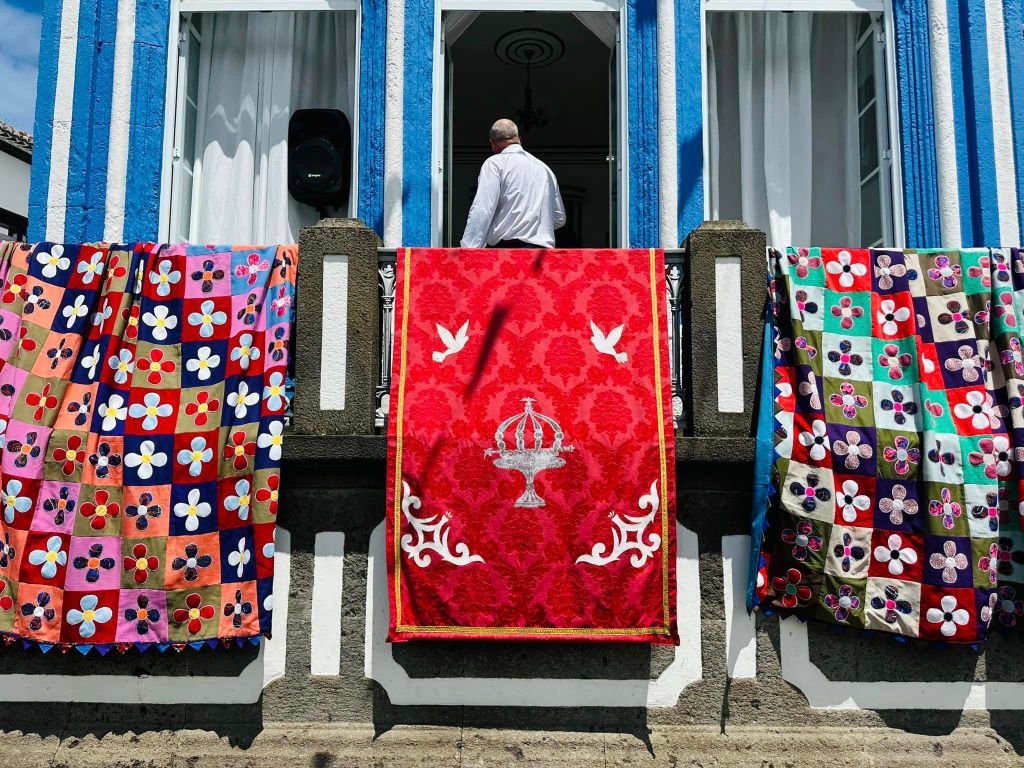
The Holy Spirit is the most significant symbol of our people’s culture, and tourist agents must include it in their socio-cultural packages so that our authentic spiritual values, passed down from generation to generation and identify us wherever we are, can be made known.
That’s why I think it’s a terrible idea for public entities to organize other celebrations of the Holy Spirit outside of its natural time frame that are merely folkloric and festival-like.
The faith of the Azorean people must be respected, and its genuine manifestations must be made known to those who visit us.
Everything has yet to be done in the religious field to reveal “the soul of our people.”
26May2024
José Gabriel Ávila
Mr. Ávila is a retired journalist who has dedicated many years to covering regional and national news. He is a blogger with regular columns in Azorean newspapers, radio, and other media formats. This is an opinion piece that we wanted to bring to our readers, for as the Azores go into a touristic mode, the debate continues in many circles regarding what should be kept as part of the Azorean identity and not recharacterized only for touristic reasons.
Translation and pictures by Diniz Borges
 Novidades - The Islands and the Diaspora