

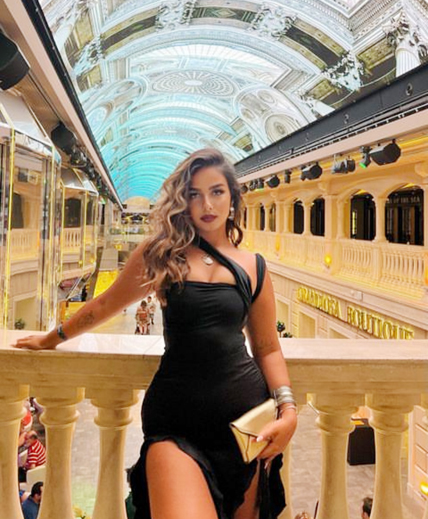
Correio dos Açores – Tell us a little about your education?
Maria Paiva – I was at Escola das Capelas until the 9th grade, as my mother is a kindergarten teacher there. Then, from the 10th grade onwards, I went to Domingos Rebelo Secondary School. It was a big reality shock to move from one school to another. Fortunately, it went well.
I then started my degree in Psychology at the University of the Azores, and I’m currently in Lisbon doing my Master’s degree. My focus is on a master’s degree in Clinical Psychology.
What led you down this path?
Since elementary school, I’ve had a very focused idea of psychology. It wasn’t so much about being good at giving advice as it was about wanting to know how the human mind works. Why are there different personalities? Why am I the way I am, and why am I not different?
I also wanted to try to better understand how relationships work and to understand empathy. It is a topic that is talked about a lot, and I wanted to know exactly what it is. So far, I’m very happy with my choice.
You mentioned that you were shocked by reality when you went to study in Ponta Delgada. What were the main differences you noticed?
I felt more at home in Ponta Delgada. I live in the city, and in Capelas, I was considered the city girl (laughs). As I moved to a bigger environment, in terms of schools, I let my personality shine through more. I was able to be freer and more open. I adapted better. It’s not bad in Capelas, because it wasn’t, but I adapted better in Ponta Delgada.
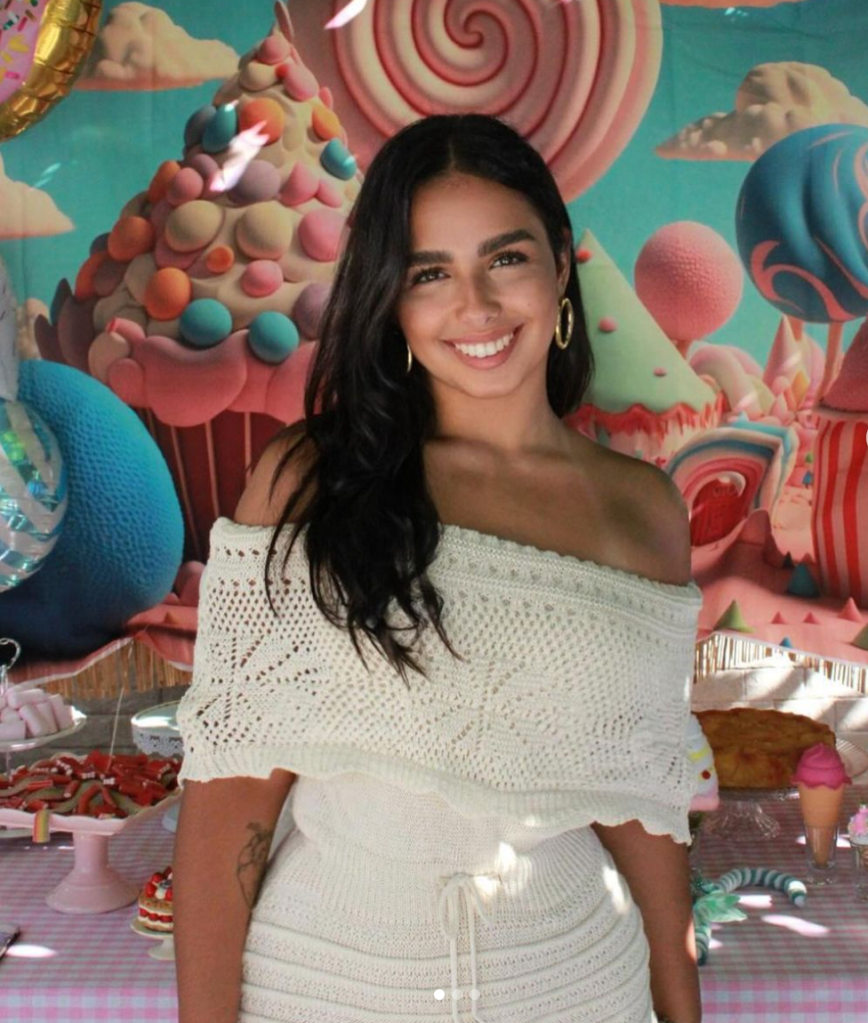
When was your explosion on social media?
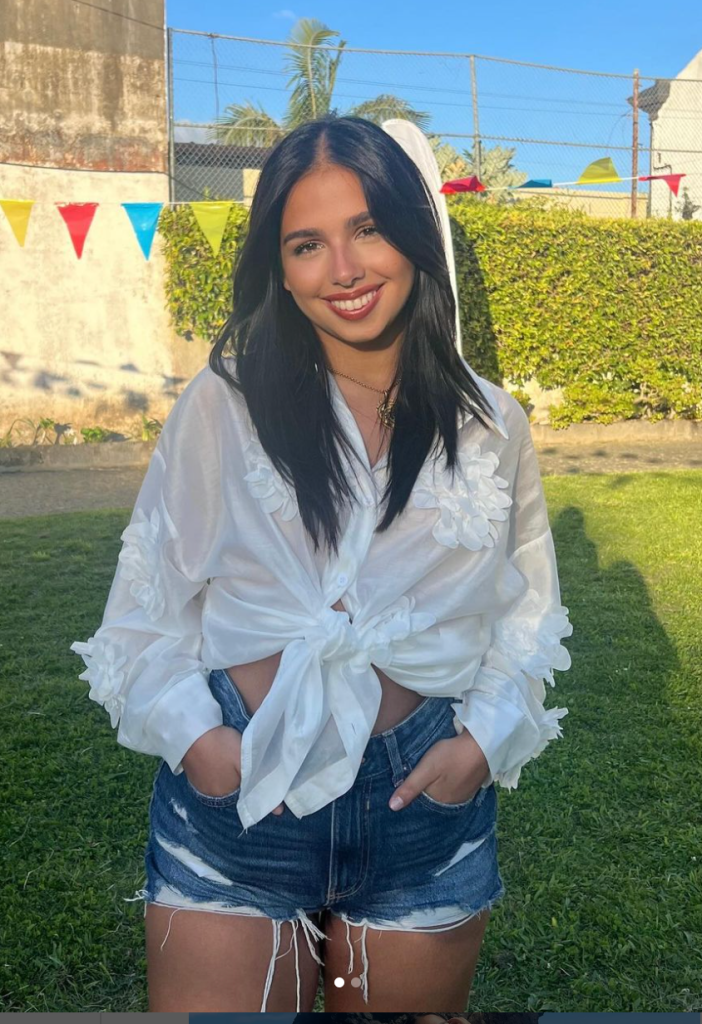
This explosion on social media happened, at first, a little unintentionally. It happened a couple of summers ago. I’ve always liked taking photos, so I’d go to places and take pictures with my friends or show off my clothes, for example. Then I noticed that my photos started appearing on the ‘explore’ page of the social network Instagram. From then on, I started getting more than 100 new followers a day. At first, I was petrified and started blocking everything. It was a huge volume of people, messages, and comments, and I wasn’t used to it. Little by little, I tried to figure out what it was, what I could and couldn’t do, or, in other words, what was within my reach.
I received requests for partnerships from brands, and at first, I didn’t know how it worked. I received messages from people asking where my clothes were from and asking for advice on places to visit in São Miguel.
People automatically have a preconceived idea of futility when they hear the word influencer. But I think it goes much further than that.
For me, being a content creator is an act of trust. I’ve always been an extremely private person, I’ve tried to keep a low profile, and I’ve always had a very restricted group of friends. Once I had this platform and this audience, I exposed myself a lot, including my vulnerability: good and bad things. You definitely need to have confidence. Even though it’s just one photo, I always try to remember that around 15,000 people are watching what I post. In the end, it’s gratifying. I really enjoy doing this. At first, because I was timid, people asked me to talk in the stories and videos. After a while, I started talking and showing people around, and now it’s one of my favorite things to do.
Whether for 10,000 or 20 followers, it’s a gratifying job. When I post photos, people recognize me in the street or ask for recommendations; it’s rewarding. Constructive criticism and praise are great because they’re a sign that people like what I’m doing, but negative criticism allows me to grow and evolve.
What kind of support did you have when you exploded onto social media?
I had a lot of support from my family and friends. I wasn’t used to it, and I told them what was happening. I didn’t start being super professional immediately and took small steps. I began to review my account because there was also a lot of unnecessary stuff. I’d post a photo and see what kind of comments it got, I’d post a story and see what kind of engagement it got. I removed restrictions as I went along. I didn’t expose myself completely when I started to see that I had followers. It was all very cautious because I already knew from other influencers the consequences this could have, so I’ve always been cautious about it.
Is it challenging to deal with the criticism that comes your way?
It’s still tricky. Although some people cope better and others worse, we’re all human at the end of the day, so it will always affect us somehow. At first, I was much more sensitive about it. If I had a negative comment, I’d dwell on it for a while. If I was told about a specific situation, I would unconsciously try to change it. Now, I’m happy with the way I handled this situation. When there’s criticism, I now think it’s just the opinion of the person in question. I know my truth and try to interpret negative criticism as an opportunity to evolve, not a chance to change myself.
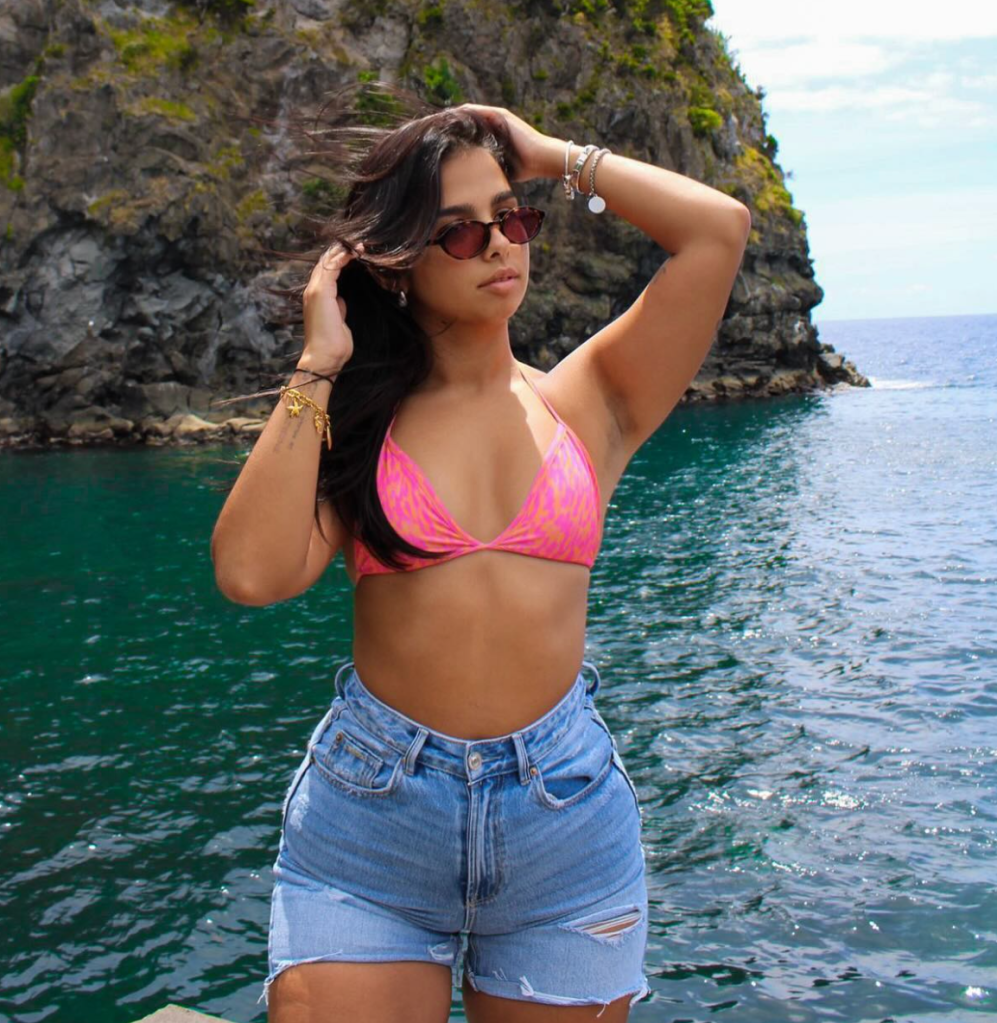
How do you define the word influencer?
More than anything, I think the word is linked to confidence. You have to have a lot of confidence. Above all, you need to be happy, more than comfortable. It’s a joy to show my reality, who I am, and what I like to do. It’s an opportunity to share my passions and everything I feel I have to share with the rest of the world.
Definitions can be interpreted in many ways. There are all kinds of influencers whose definition and why they do it differs from person to person. If I feel good, I like to share that with people. I also felt the need to try to look for myself in other people; in other words, to see people I could relate to. I think it goes a bit that way, too.
What kind of partnerships have you been able to make through social media?
This has been a completely different world in terms of content creation. I did it entirely for fun and still do it for fun. Although I’ve acceded to some requests, such as talking more in stories, I always do things with myself in mind, what I like to do, and what makes me happy.
The partnerships came about in the explosion I had. When the followers arrived, so did the emails asking for a partnership. And I confess I was a little suspicious.
The first significant partnership I had was with an international brand, Zaful. They offered me a sum, and I wasn’t expecting it. Being a content creator comes with self-esteem, and I wondered why they wanted me. They provided a sum of money we could spend on the brand’s products to produce content and then send it by email.
As it happened, they were happy with the content I created, and I went on to make many more partnerships. Then, other brands saw the content I created for Zaful, and it just kept growing. Now, in addition to online alliances, I’ve started doing face-to-face partnerships, for example, in salons or beauty services, I’ve been to movie previews, so it’s a bit of everything. But I also try to be genuine and consistent with my content. For example, I have nothing to do with fitness, so I don’t accept things that aren’t in my expertise.
Have you ever had any local partnerships?
I’ve had one with a beauty salon, and when the AtlanticBikes bikes came out, I was asked if I wanted to be in the publicity photos, and it was an experience I really enjoyed. It was something different and enjoyable.
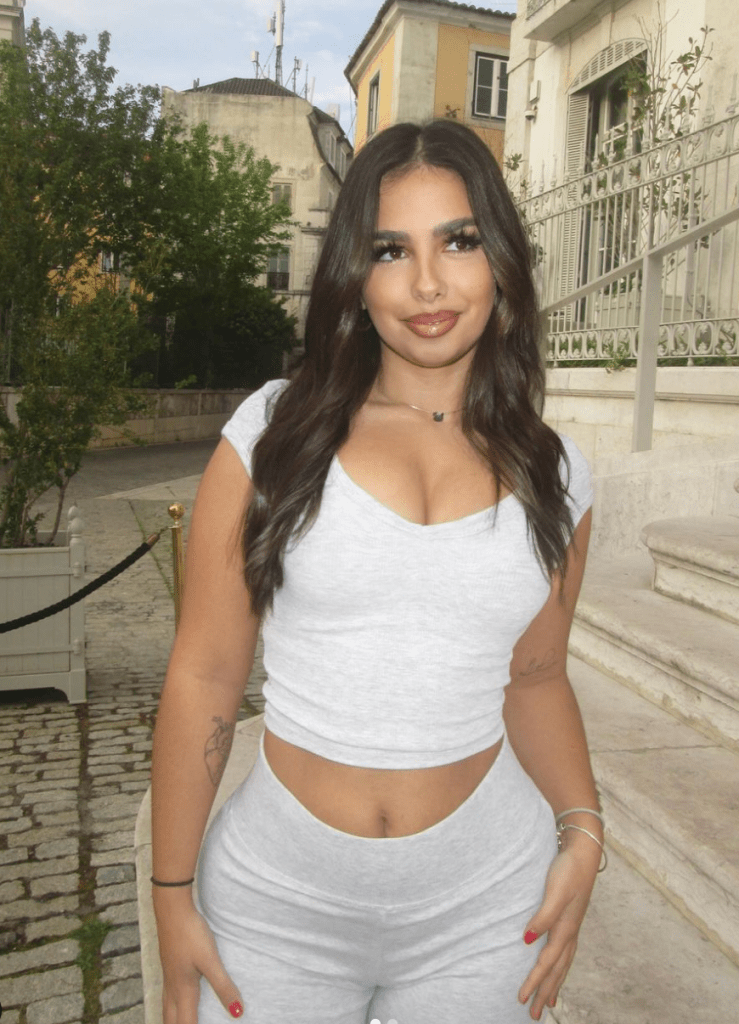
How difficult is it to balance studies, work, and family life?
It’s difficult in one respect: if I don’t publish content often, I feel a certain lack of interest, and since it’s something I enjoy doing, I feel a sense of worry about it at times. But there are also those moments when… For example, it was my birthday recently, and during my birthday, I was hardly on social media because I was enjoying it. I’d always record a little something or other, but I’d always post it the day after. Also, when I’m studying, before a test, I’m at home, and I think there’s nothing as enjoyable to my studies at that moment, so why record? So I admit that sometimes I feel like I could be doing a bit more, but at the same time I try not to force it. I try to be as genuine as possible.
In other words, it’s a bit complicated because I can’t always meet people’s expectations. Still, I consider myself happy because I don’t think I’ll reach a point where I’ll feel overwhelmed by everything, and I can be present both on social media and in my personal life.
Some influencers deal poorly with losing followers… How would you cope if you lost a significant number of followers?
At first, I’d be worried. I’m not going to lie. In fact, it’s already happened. I’ve had more than 15,000 followers and lost a few in a week.
I’m already at the stage where my mindset is: as long as there’s one person who likes my work and responds to me and says they liked it, as long as there’s one person who identifies with it and gives positive feedback, it’s already worth it for me, it’s already rewarding. I don’t think the number of followers matters… because there can be situations where there are a vast number of followers, and there isn’t that sense of interaction; there isn’t a connection with the people who follow. So I think the connection and familiarity with people has much more to do with followers and means much more, at least to me, than having 40,000 followers, for example.
Specifically, what kind of content do you make?
I’ve always shown a bit of where I lived, on the island of São Miguel, but since I went to the mainland to study, I realized that there was a considerable curiosity about where I come from. For example, I say I’m going home for the summer, and they ask me what I’m doing there. So many things come to mind that I can’t explain. For example, I’m going with a friend who has a drone, and we’re going to Caldeira Velha. I mainly try to show the island’s natural beauty because you appreciate it while away from home. In São Miguel, we have a quality of life that is hard to come by in many places.
I make videos and go to the sea all year round. For example, I get ready to swim or sunbathe in Caloura and always show you the places. So far, the feedback has been excellent, and people are sending me messages saying they had no idea São Miguel was like this. In addition to the island’s beauty, I try to show my day-to-day life, which is very different from that of a big city like Lisbon. It’s totally different. I even try a video of my boyfriend, my friends, and me going to a beach, snorkeling, catching dinner, and going home to make dinner. In the meantime, we will all visit various beautiful green places. I try to show you a bit of everything so you can see how much I love living here. Everyone knows that the Azores are very beautiful, but when I get out there and say that I’m anxious to go home, they ask me why and say that it’s much better there, and I’m like… “Yeah, I’ll show you.” When I start showing them everything, people begin to understand.
When you finish your master’s degree, do you plan to return to the Azores?
I’d love to. If I can choose, definitely yes. It’s a quality of life that you can’t find anywhere else. At least, I haven’t seen it so far.
Wherever there’s an opportunity, that’s where I’ll go, but if I have the choice, I’ll definitely return to São Miguel.
What message would you like to pass on to influencers just starting out?
Think more about yourself and not what others will think. I still get told that nowadays because I worry too much about others’ opinions, but it’s essential. Negative criticism will be present at any time, in any situation, in our lives, and it’s all in how we interpret and use negative criticism for the better.
Do what makes you happy if that’s what makes you happy. Whether it’s making a video, a tiktok, a photograph, do it because nobody loses anything doing what makes them happy.
Frederico Figueiredo is a journalist for Correio dos Açores-Natalino Viveiros, director.
Translated to English as a community outreach program from the Portuguese Beyond Borders Institute (PBBI) and the Modern and Classical Languages and Literatures Department (MCLL) as part of Bruma Publication and ADMA (Azores-Diaspora Media Alliance) at California State University, Fresno, PBBI thanks Luso Financial for sponsoring NOVIDADES.


 Novidades - The Islands and the Diaspora