

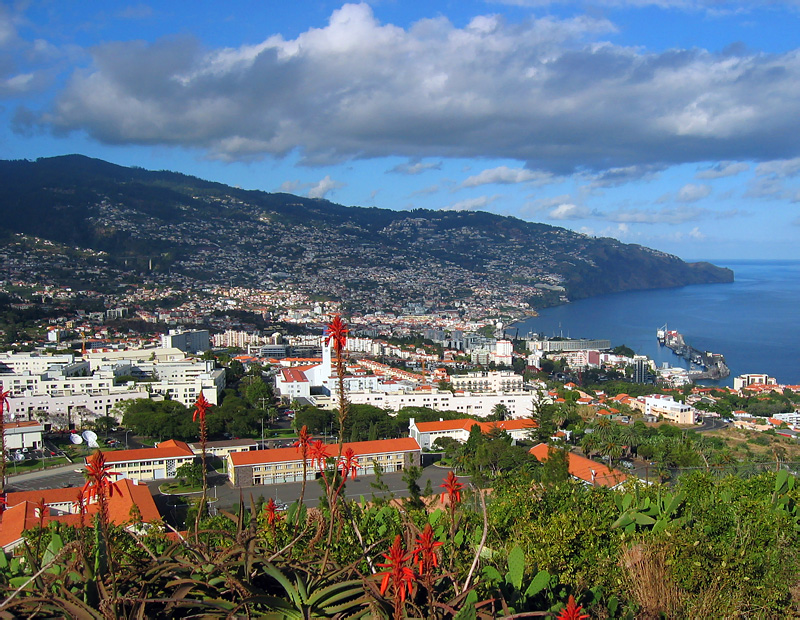
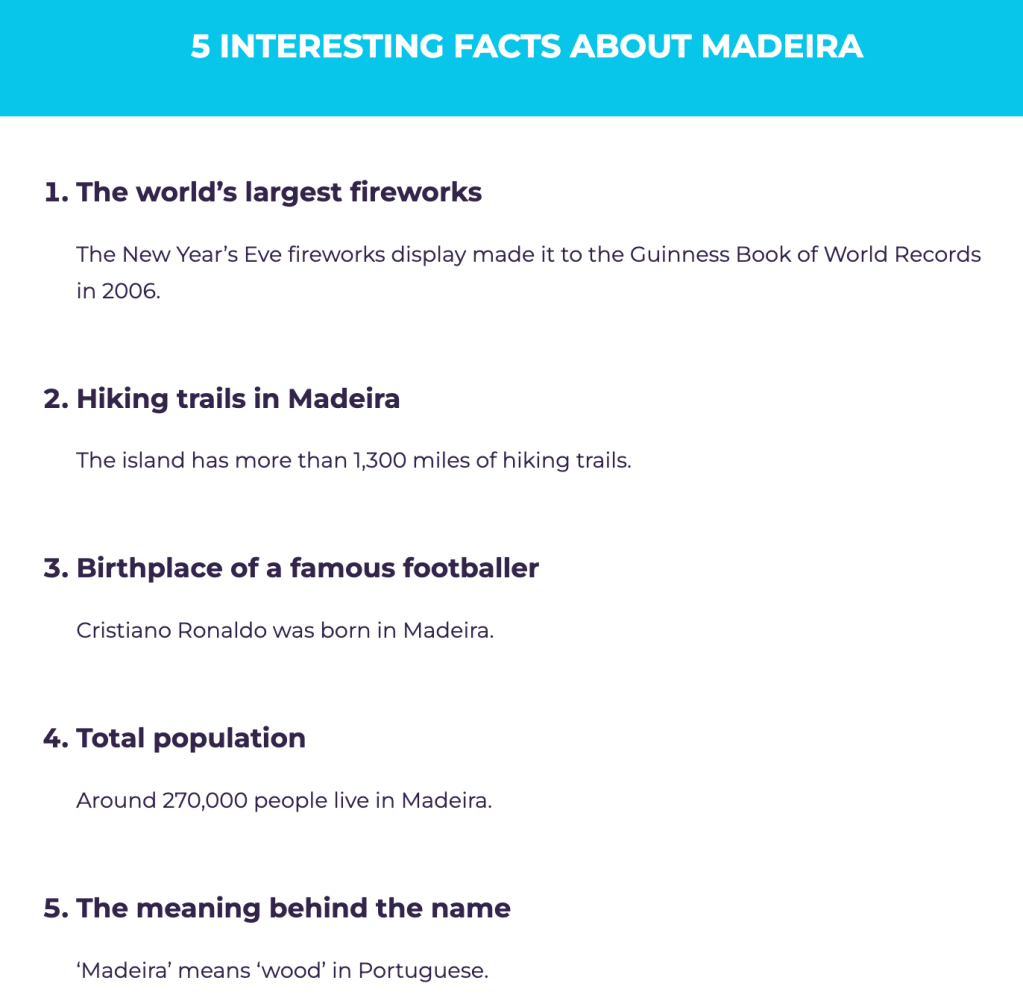
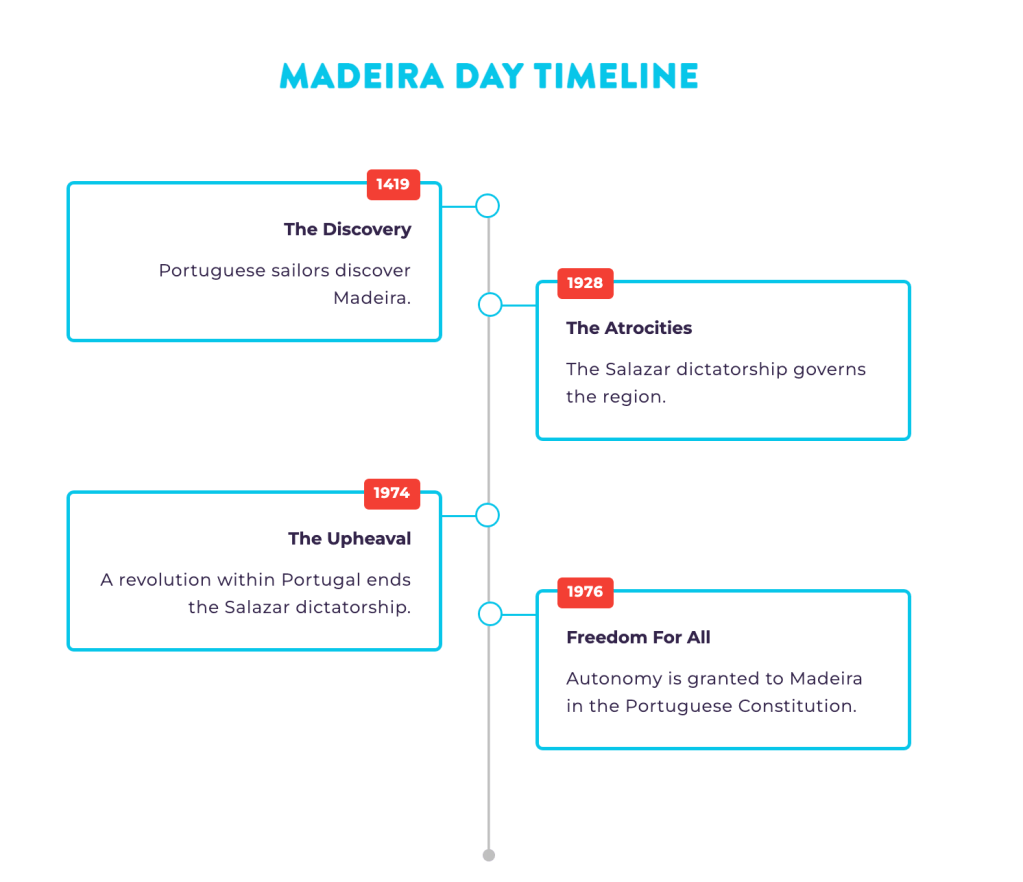
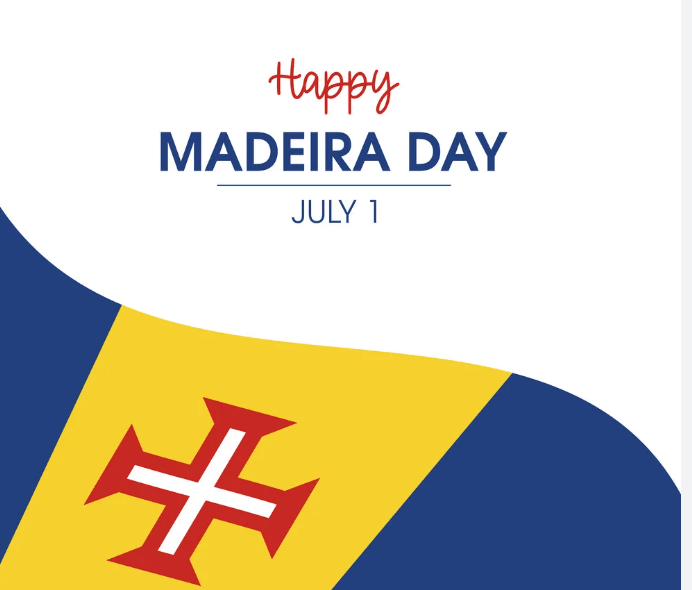
Madeira Day, celebrated every July 1, is an extraordinary occasion in the island’s history. On this day in 1976, the Portuguese Constitution granted self-rule to the archipelago. The day, however, is not limited to the island; Portuguese communities residing in different regions of the world also celebrate Madeira Day to pay an ode to their roots. Apart from some fun activities, the holiday is known for a ceremony conducted at the Madeira Regional Legislative Assembly and a Mass at the Cathedral of Funchal.
HISTORY OF MADEIRA DAY
Before Madeira was discovered by the Portuguese, there was no record of anyone living on the island. Can you imagine a place blossoming with such beauty just sitting there undiscovered? Well, according to history, the colonization of Madeira began in 1420 with the arrival of the Portuguese. However, once people started living there, 11th-century fragments of mouse bone were discovered in the region. This indicates that Vikings may have traveled past the islands, and the name ‘Ilha da Madeira’ (Madeira Island or “island of the wood”) was spotted on the world map.
The settlement process, however, was also complicated. It started with some noblemen and a few prisoners. This began the process of colonizing Madeira to make it habitable for a large population. Agriculture was started, and canals were built to ensure clean water was provided all over the island. Fish was the primary diet available to the residents. This was followed by wheat and grain production.
The island then turned towards producing sugarcane, which was a luxury during that time. Sugarcane cultivation and the sugar production industry developed until the 17th century and managed to attract many laborers and travelers. In fact, the horrific colonial system of sugar production was first put into practice on the island of Madeira. Later, other places also copied the model and began sugar production using slave labor. Due to Madeira’s history with sugar, the sugar trader Christopher Columbus also dropped by the island once. In the late 17th century, Madeira moved from producing sugar to wine.
in Madeira Today
 Novidades - The Islands and the Diaspora