


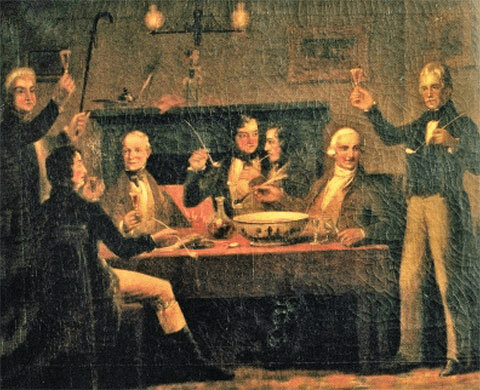
Thomas Jefferson, a big proponent and consumer of wine, toasted the signing of the Declaration of Independence in 1776 with Madeira. Madeira was served after George Washington’s inauguration on April 30, 1789.
The deal for the Louisiana Purchase in 1803 was celebrated with champagne in honor of the French part of the deal, Málaga for the Spanish part of the deal, and Madeira as it was America’s adopted wine.
Madeira is a fortified wine from the island of Madeira, which is off the coast of Northern Africa and is part of Portugal. Madeira wine initially developed its distinctive flavor as it was transported in the high temperatures aboard the hulls of ships making the long journey to the New World or the East Indies. The characteristic flavors developed during those voyages are replicated by heating the wine during production.
Most Madeira wine is produced using the estufagem method, which involves heating wine in stainless steel tanks with externally circulating hot water for a minimum of 90 days at temperatures over 130 degrees Fahrenheit. The wine is then fortified by adding plain spirits and moved to casks. Madeira DOC (Denominação de Origem Controlada) requires Madeira produced in this way to be aged two years before it can be bottled and sold.

The best Madeira wine is produced using the canteiro method, which involves putting the wine into wooden casks after fortification, then storing it in the attic of the building along south-facing windows, or, sometimes, storing it outside in the sunshine. This aging process is much slower, so it prevents the burnt sugar and bitter flavors that speedy heating may produce. Wines produced via the canteiro method can be bottled after three years.
The main styles of Madeira wine are Sercial (driest), Verdelho (medium dry), Bual/Boal (medium sweet), and Malmsey (sweetest). The wines often exhibit aromas and flavors of dried fruit, raisins, honey, almonds, coffee, toffee, and caramel. Other Madeira wines are based on aging: Rainwater (lighter, aged three years), Seleccionado (aged between three and five years), Reserva (aged between five and 10 years), Special Reserva (aged between 10-15 years), Extra Reserva (aged between 15-20 years), Colheita (from a specific harvest aged at least five years) and Frasqueira/Garrafeira (aged at least 20 years).
Grab a bottle of Madeira and raise a toast to our Founding Fathers.
https://www.city-vino.com/blogs/blog/madeira/
More on the subject:
https://www.al.com/living/2018/07/founding_fathers_toasted_decla.html
 Novidades - The Islands and the Diaspora