

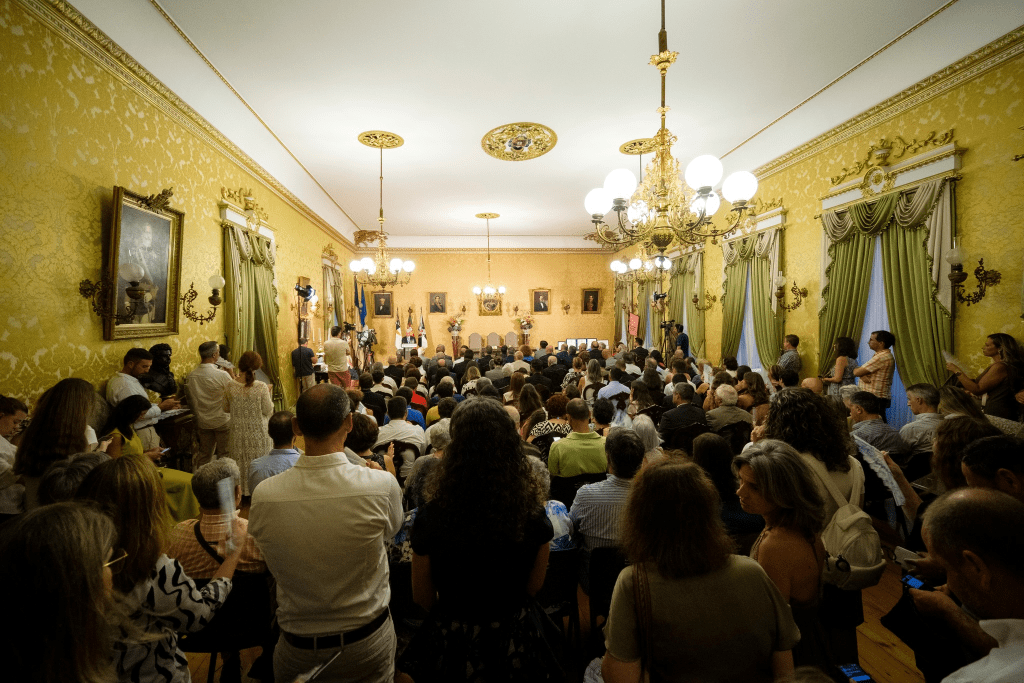
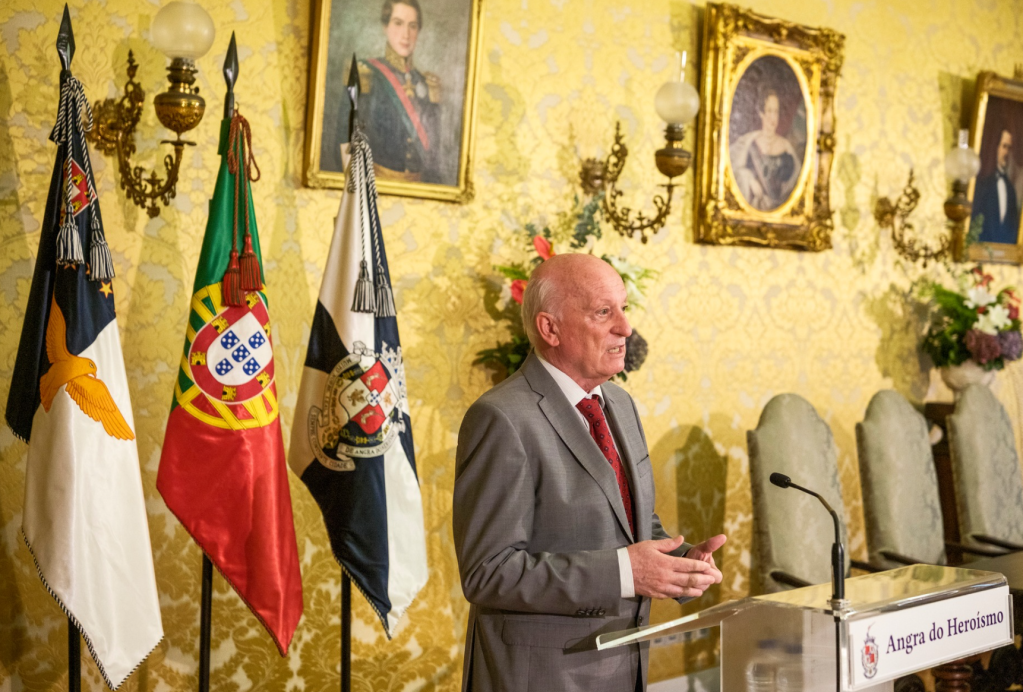
Angra do Heroísmo celebrated the 490th anniversary of its elevation to city status yesterday. The mayor, Álamo Meneses, identifies several challenges that remain and one of them is achieving the “full operation” of the Port of Pipas.
The mayor says that this is an “issue that has been dragging on for far too long”.
“We need to have the port – in addition to the pier – with all the support infrastructures in place, from the passenger terminal to the water and electricity connections. Everything needed for the port to function without restrictions,” he says.
Recently, the PSD accused the PS of not having the “moral authority” to talk about passenger terminals in the region. Speaking to DI, Álamo Meneses prefers not to get into party politics, but he believes that “if it hadn’t been for the PS, the pier wouldn’t even exist”.
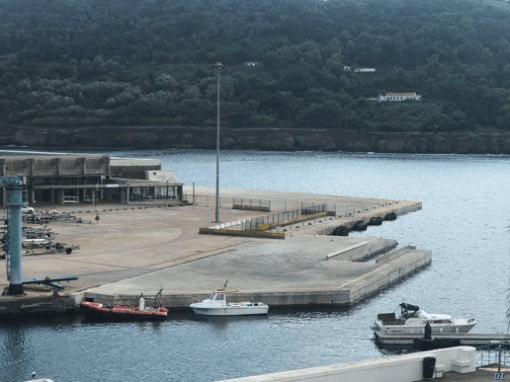
“The municipality has always made a great effort, whether with the governments of this or that party, to make the pier operational. I believe that the work that has been done there is due to the efforts and commitment of the municipality. Now, obviously, we’re committed to seeing it completed as quickly as possible,” he said.
On another level, the mayor of Angra do Heroísmo argues that accessibility to the island also needs to be improved. “Both in terms of transporting goods, because we have absurd prices, and in terms of air accessibility. In addition to the dysfunctions that exist in setting prices, through subsidies and all the machinery that has been created around this, we have the problem of the lack of connections that guarantee stability,” he criticizes.
He reiterates that “in these matters, nothing happens in just one year” and that there has to be “some persistence” in creating markets. “This has been lacking on the island of Terceira and, obviously, it’s also a matter for Angra,” he points out.
For Álamo Meneses, the current situation in the municipality is “good”, with the economy showing stability and “some growth”.
However, he believes that the good economic times mean that “the effort and pressure to create stable, well-paid jobs” must be maintained.
“This is the key to solving demographic problems,” he stresses.
He also values what he defines as the stability of the rural economy. “The price of milk and the issues affecting farming put the island’s economic growth and stability at risk,” he stresses.
The social challenge
In the social field, accompanying people who have substance abuse problems, especially alcohol, in public spaces is a complex issue. “We have a relatively stable social situation. Unfortunately, there are also some problems. At the moment, we don’t have any homeless people, but we do have several people who are drunk or in some other way not in control of themselves, on the streets, which is an issue that needs to be resolved,” he acknowledges.
The mayor considers that the “issue is clearly a thorny one”, because it enters the sphere of individual freedom, and advocates coordinated action between social institutions. “We’re one of the municipalities with the greatest capacity in the social area and we need coordinated work to get these people off the streets. At the moment, it’s the social problem that afflicts us the most,” he recognizes.
“The potential for the problem to grow is always there, but it hasn’t happened. It’s the same people, to whom we always provide shelter. They have shelter and meals, but their dependence on certain substances is such that they can’t make good use of what is provided,” he says.
Preparing for the 500th Birthday
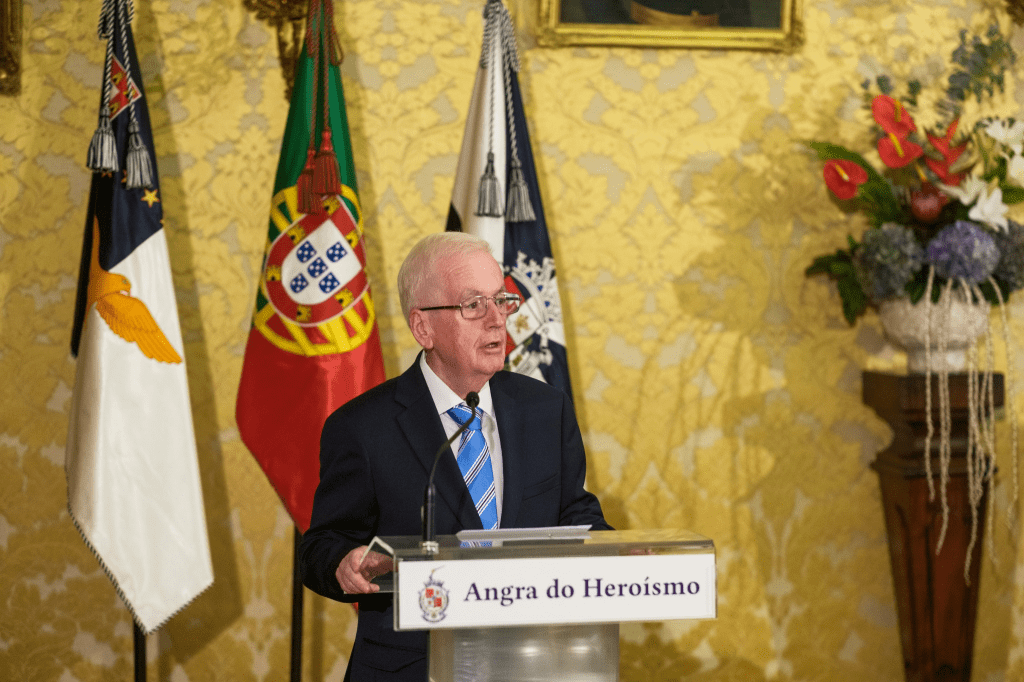
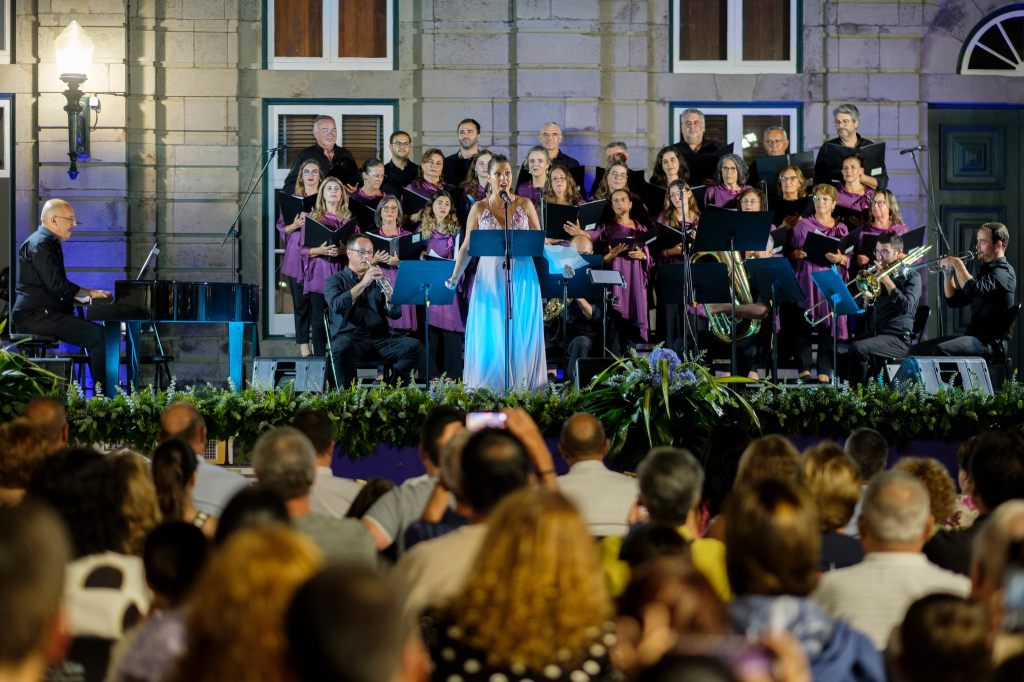
During the solemn session commemorating the 490th anniversary of the elevation of Angra do Heroísmo to the status of a city, João Maria Mendes gave a talk entitled “Angra: from Village to Episcopal City”.
The canon and judicial vicar of the Diocese of Angra considered that a decade is now opening “of great importance in the preparations for the future commemorations of the 500th anniversary of this city and its Diocese”.
This task, he stressed, “requires commitment, dedication, and political and scientific decision so that this round date can be the culmination of an in-depth knowledge of the vast history of the city of Angra”.
João Maria Mendes traced Angra’s history until it was elevated to the status of a city. He recalled that “while His Majesty King João III was at his palace in Évora, on Wednesday, August 21, 1534, he signed the Royal Charter that elevated the then town of Angra to the category of city”.
“About two months later, His Holiness Pope Paul III, on November 3, 1534, signed the Bull that erected the Diocese of Angra, with its seat in the Church of São Salvador, at the same time as constituting the Cathedral Chapter with twelve Canons and five Dignities,” he said.
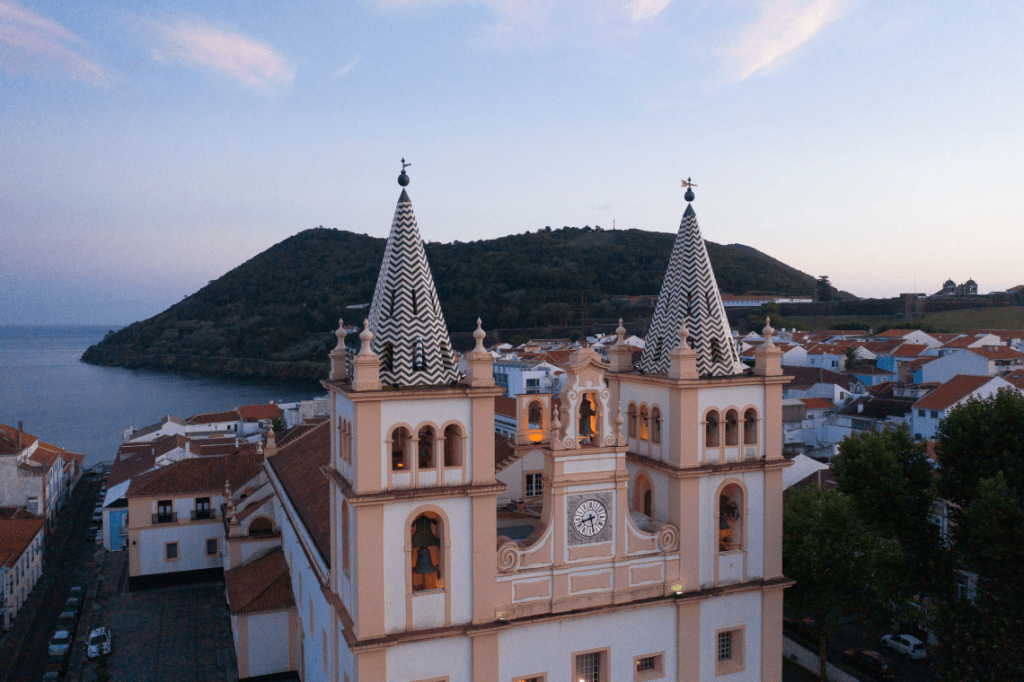
According to João Maria Mendes, “the rapid development of the town of Angra and its strength concerning the other Azorean towns has to do with its geographical location in the North Atlantic, the terrain and the climatic conditions that surround it”.
The choice of the seat of the diocese was, however, uncertain. “If there was a clear idea of erecting a diocese in the Azores, the same was not true of its seat, since a series of geographical and toponymic confusions in known documents raise some doubts about the exact location that would have been in the minds of the King and the Pope to serve as an episcopal city. If there is still a lot of confusion today about the geography and toponymy of the nine Azorean islands, it’s no wonder that in ancient times knowledge of this archipelago was very imperfect, giving rise to geographical location errors,” he said.
“Looking at the chronology of the facts, Angra was made a city while Pope Clement VII was still alive since he died on September 25, that is, a month after the city was founded, which indicates a clear will on the part of King John III to establish the seat of the new diocese in Angra. Cardinal Alexandre Farnese, after a very brief Conclave, was elected Pope on October 13, 1534, taking the name Paul III. Just over a month after his election, on November 3, 1534, Paul III signed the long-awaited Bull AEQUUM REPUTAMUS for the creation of a diocese in the Azores, in the Church of São Salvador in the city of Angra. Even so, the Bull once again makes a name change in that it places the city of Angra on the island of S. Miguel instead of the island of Terceira. This time, however, there was no doubt since there was only one church of the Most Holy Savior or St. Savior located in the only city on the islands, the city of Angra,” said João Maria Mendes.
in Diário Insular–José Lourenço-director
Translated to English as a community outreach program from the Portuguese Beyond Borders Institute (PBBI) and the Modern and Classical Languages and Literatures Department (MCLL) as part of Bruma Publication and ADMA (Azores-Diaspora Media Alliance) at California State University, Fresno, PBBI thanks Luso Financial for sponsoring NOVIDADES.

 Novidades - The Islands and the Diaspora