

A total of 31,781 pupils are enrolled for the next school year in the Azores, according to provisional figures available to Correio dos Açores, which is 800 fewer than in the previous school year. The calendar for the 2024/2025 school year has been approved for preschool, primary, and secondary schools in the public education system, as well as private and cooperative schools operating with pedagogical parallelism. In the municipality of Ponta Delgada, 1,673 pupils will be taught at the Canto da Maia Basic and Integrated School, 1,303 pupils at the Roberto Ivens Basic and Integrated School, 1,024 pupils at the Arrifes Basic and Integrated School, 1,187 pupils at the Capelas Basic and Integrated School and 487 pupils at the Ginetes Basic and Integrated School. 1,200 pupils will be at the Antero Quental Secondary School, 2,009 at the Domingos Rebelo Secondary School, and 487 at the Ginetes Basic and Integrated School. In total, 5,674 pupils will be teaching in the basic and integrated schools in the municipality of Ponta Delgada, and 3,860 pupils in the secondary schools. In the municipality of Lagoa, 436 pupils will be teaching in the organic unit of the Água de Pau basic and integrated school, and 815 pupils in the Lagoa basic and integrated school.
At the Nordeste Basic and Secondary School, 534 students will be teaching next school year; at the Povoação Basic and Secondary School, 723 students are enrolled; and at the Armando Cortes Rodrigues Basic and Secondary School, in Vila Franca, 1,660 students will be teaching. In the municipality of Ribeira Grande, 683 students will be teaching at the Maia Basic and Integrated School; 1,855 students at the Rabo de Peixe Basic and Integrated School; and 1,171 students at the Ribeira Grande Basic and Integrated School.
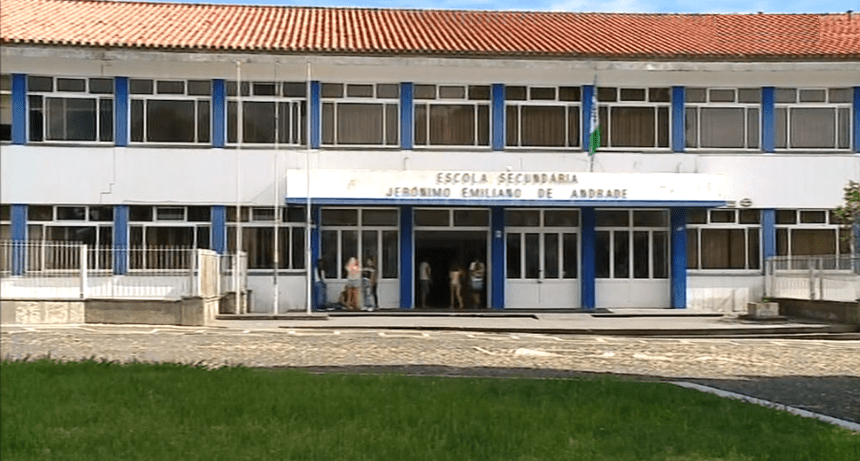
In the municipality of Angra do Heroísmo, 1,490 pupils will be taught at the Tomaz Borga Basic and Integrated School; 1,180 pupils at the Angra Basic and Integrated School; and 479 pupils at the Francisco Ferreira Drummond Basic and Integrated School. In the municipality of Praia da Vitória, 265 pupils will be taught at the Biscoitos Basic and Integrated School and 1,497 pupils at the Praia da Vitória Basic and Integrated School.
On the island of Faial, 1,082 pupils will be teaching at the Horta Basic and Integrated School and 874 pupils at the Manuel de Arriaga Secondary School. In Pico, 879 pupils will be teaching at the Madalena Basic and Integrated School; 410 pupils at the São Roque do Pico Basic and Secondary School; and 589 pupils at the Lajes do Pico Basic and Secondary School. At the Graciosa Primary and Secondary School, 630 students will be teaching; at the Calheta de São Jorge Primary and Secondary School, 298 students; at the Velas Primary and Secondary School, 524 students; and at the Topo Primary and Integrated School, 75 students. The Flores Primary and Secondary School will teach 436 students and the Mouzinho de Albuquerque Primary and Secondary School in Corvo will teach 47 students.

The importance of the school calendarThe school calendar for the new school year, which has already been published in the region’s official gazette, is an “indispensable” element for planning the educational activities to be carried out by each unit of the education system, intending to implement the respective school plans and annual activity plans, and also aims to establish a measure to reconcile students’ educational activities with the organization of their family life. The setting of the school calendar also seeks to “reconcile the interests of the entire educational community, always with the aim that all students enjoy a quality education under the law, in conditions of effective equal opportunities in access, enabling them to achieve successful learning.” The school year is based on 180 school days. However, due to the “imperative needs” of planning and evaluation at the beginning and end of the school year, as well as preparation for the following school year, “it is necessary to define limits to the corresponding timetable and, without prejudice to adaptations arising from external learning assessment tests, the half-yearly timetable of the school year and other changes made by the Organic Units, within the scope of their autonomy”. According to the school calendar, for the 2nd and 3rd cycles of schooling (except the 9th year) and the 10th year, teaching activities must end before the first day of national exams; for the 9th, 11th, and 12th years of schooling, teaching activities must end no later than one week before the first day of national examsThe definition of the calendar is the responsibility of each organic unit, and compliance with a minimum of 168 teaching days is mandatory for the 9th, 11th and 12th years of schooling.

A minimum of 168 school days must be met for the 9th, 11th, and 12th grades, 171 days for the 5th, 6th, 7th, 8th, and 10th grades, and 175 days for pre-school education and the 1st cycle of basic education, from which any time off may be deducted. The holding of a reception day for students or guardians may not coincide with the school calendar. Summative assessment meetings may not interfere with the normal running of teaching activities, nor give rise to the payment of extra work. In preschool education and in the 1st cycle of basic education, the communication of assessment results is obligatory through face-to-face delivery, by the head teacher to the guardian, of a document containing information on the progress of their child’s learning, by the 3rd working day of the following school term (in the 1st and 2nd school terms). In the remaining cycles and levels of education, the communication of assessment results is mandatory through the posting of scores, up to 5 working days after the end of the respective school term and the delivery in person by the class director, to the student, when of legal age, or to the guardian, of a document containing information on the progress of learning and the results of the assessment. In the 1st and 2nd school terms, this must be delivered in person by the 3rd working day of the following school term. The results of the summative assessment must be communicated by email or computer platform no later than 5 working days after the end of the respective school term. For students admitted to national tests and exams, the organic units must schedule a period of accompaniment between the end of the school year and the working day before the start of the exams for each subject, which may not exceed three hours a day
.João Paz is a journalist for Correio dos Açores – Natalino Vivieiros, director.
Translated to English as a community outreach program from the Portuguese Beyond Borders Institute (PBBI) and the Modern and Classical Languages and Literatures Department (MCLL) as part of Bruma Publication and ADMA (Azores-Diaspora Media Alliance) at California State University, Fresno, PBBI thanks Luso Financial for sponsoring NOVIDADES.

 Novidades - The Islands and the Diaspora