

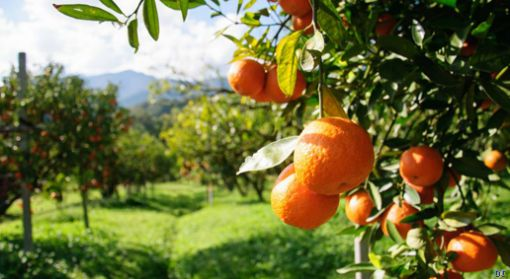
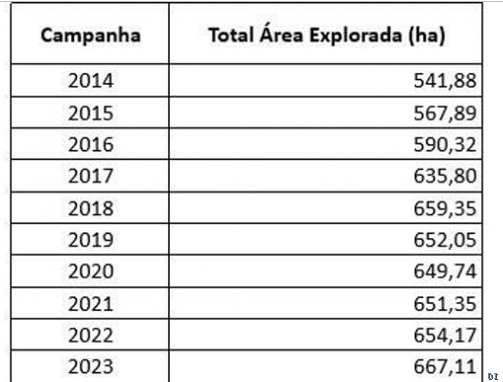
Over the last nine years, the fruit-growing area in the Azores has grown from 541.88 hectares in 2014 to 667.11 hectares in 2023. An increase of 23% – according to data from the Regional Secretariat for Agriculture and Food.
Professional training in fruit growing has been a lever for this increase in area. There have been several training courses, especially in 2023 and 2024, such as the Apple Tree Culture course, Subtropical Fruit Trees (Anoneira, Mango, and Avocado) or the Fruit Production Initiation courses. Courses are held on various islands, according to Secretary António Ventura.
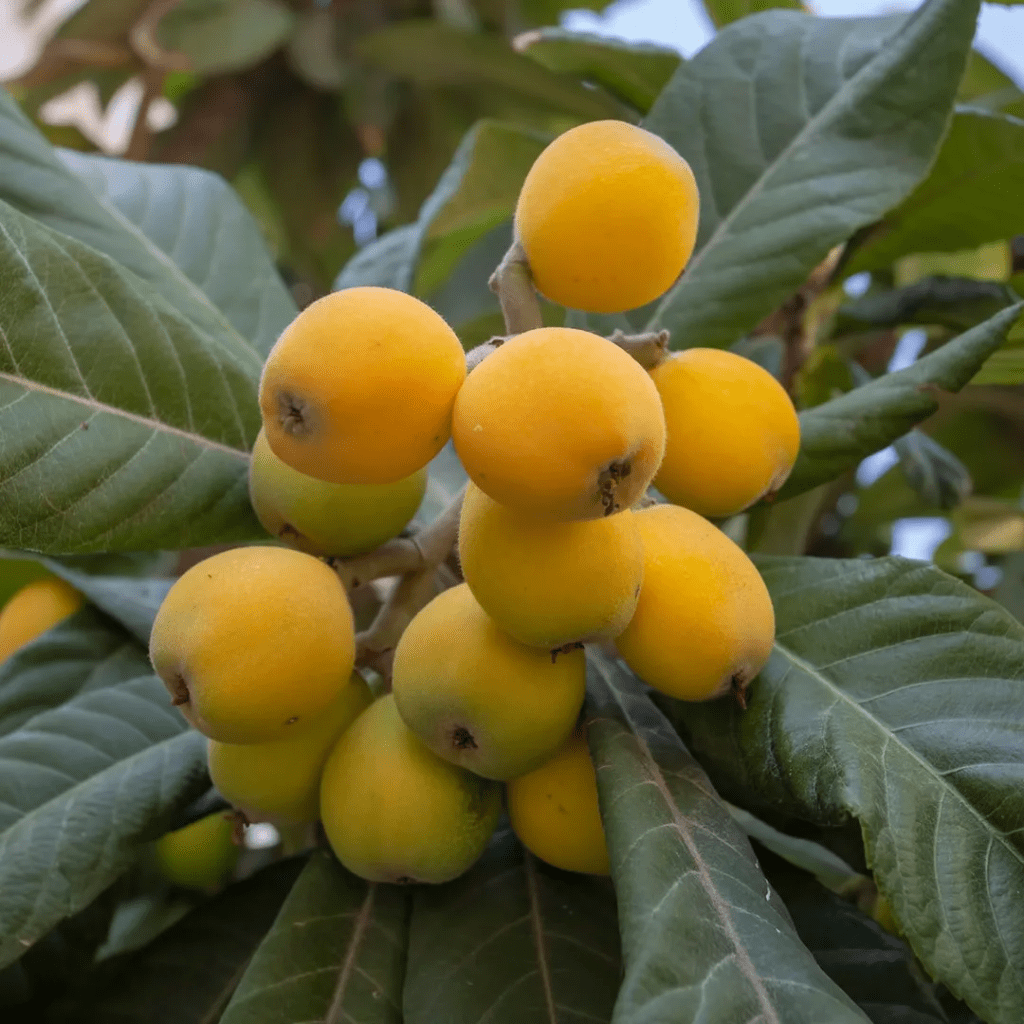
With climate change underway, according to official information, the Azores are producing more subtropical and tropical fruit.
The fruit-growing training courses are part of a series of public actions aimed at fruit production in the region, with the aim, says Ventura, of becoming progressively more independent of food imports and thus more secure in the availability of nutritious food.
In fruit growing, however, the secretary said that weaknesses persist, such as the region’s great dependence on external markets, the aging of producers, the lack of skilled workers and technicians, and the high cost of transport for marketing.
“We can and should be a region that produces fruit for domestic consumption and for export,” according to Ventura.
One of the ways to encourage our fruit production will be through the new community funds (PEPAC) where a young farmer will receive a first installation prize of 40,000 euros regardless of the area, as was the case in the PRORURAL+ community support framework, according to Ventura.
Another measure to attract young people, in this EU support framework, has to do with a prize for the first installation of young people who make agriculture a complement to their main activity. A prize worth 15 thousand euros.
In addition, the rates of support for investment projects in this area of fruit growing have increased, “and there is no longer any negative discrimination in the agricultural diversification sectors”.
The growth pattern over the last nine years
in Diário Insular-José Lourenço, director
Translated to English as a community outreach program from the Portuguese Beyond Borders Institute (PBBI) and the Modern and Classical Languages and Literatures Department (MCLL) as part of Bruma Publication and ADMA (Azores-Diaspora Media Alliance) at California State University, Fresno, PBBI thanks Luso Financial for sponsoring NOVIDADES.

 Novidades - The Islands and the Diaspora