

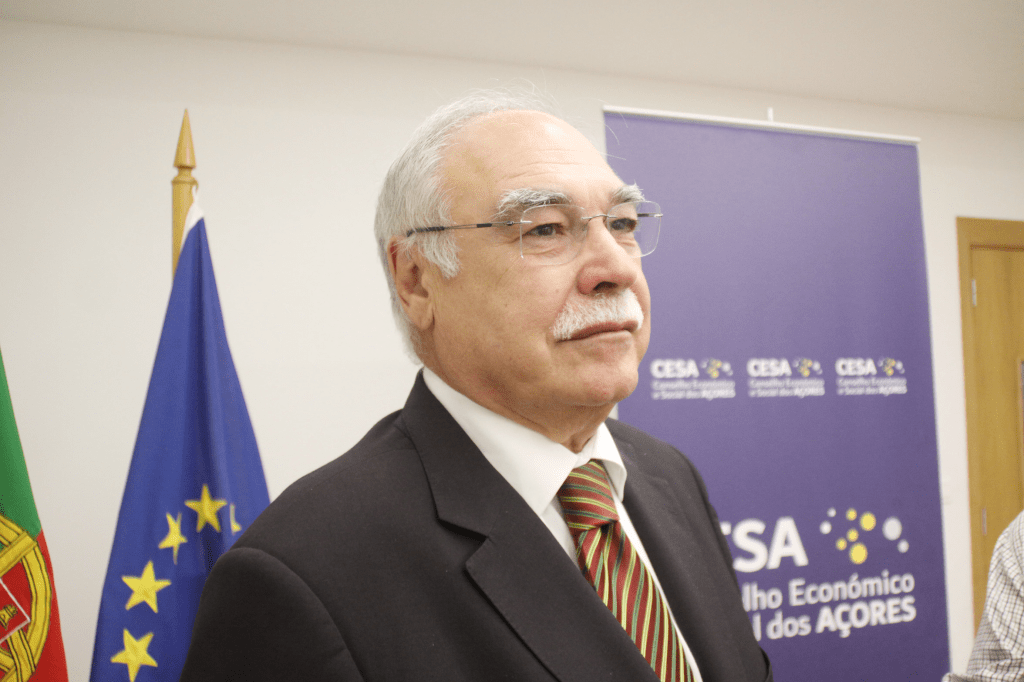
“Without an economy, public and private, without a market, without investment, without accessibility, and without a quality response in education and health, it is very difficult, not to say impossible, to overcome the Demographic Challenge, which is why this Challenge must be added to the list of priorities, deepening relations with other Partners, including the Association of Immigrants in the Azores,” said Gualter Furtado in a speech at the 1st Economic Days in Praia da Vitória in which he did not leave his credit in the dust: “the most serious social issue has to be faced by our society, without taboos (poverty, addictions, homelessness and early school leaving) and without demagoguery, involving everyone…”
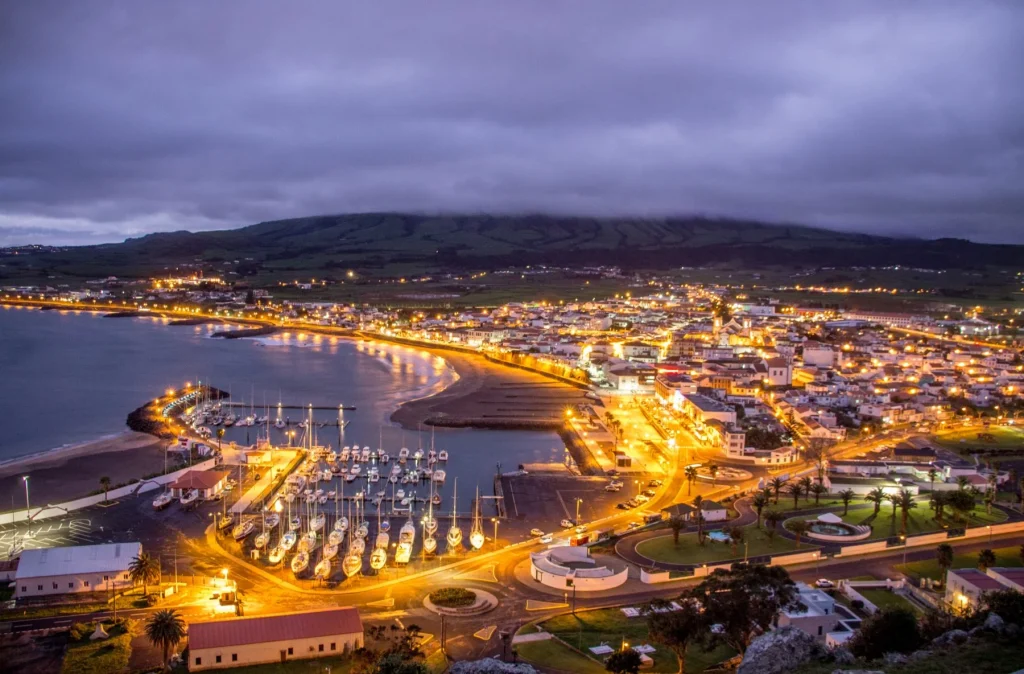
Praia da Vitória, a remarkable heritage:
Praia da Vitória was the seat of the Captaincy of Terceira (1446-1474) and was elevated to Vila Sede do Concelho in 1480. Currently, it was elevated to the category of city in 1981; it is, therefore, one of the oldest territorial and administrative units in the Azores;
It played a very significant role in the economic cycle of wheat in the Azores, as it had in pastry;
Historically, it boasts scrolls that place it in specific periods as having played a central and even decisive role in the course of Portugal’s history (Battle of Salga, acclamation of D. João IV as king of Portugal by Francisco Ornelas da Câmara, fight of the Liberals against the Absolutists, in the Bay of Praia, which would mark the end of the old regime, etc.), the designation attributed to it of “Mui Notável” and “da Vitória” fits it perfectly;
Holds one of the oldest and most prestigious Misericórdias (1498) in the country;
A considerable natural and environmental heritage, including endemic species and the Paul da Praia da Vitória Wetland, a lake area of excellence that I never tire of visiting whenever I can;
A built heritage with examples full of history and significance, including the Church of Senhor Santo Cristo das Misericórdias and the Império do Espírito Santo de Santa Cruz;
It has economic and strategic infrastructures that give it significant potential, of which I would highlight its road network, the Port of Praia da Vitória, and the Lajes Civil Airfield, which, if properly developed and safeguarding their profitability, constitute significant comparative advantages;
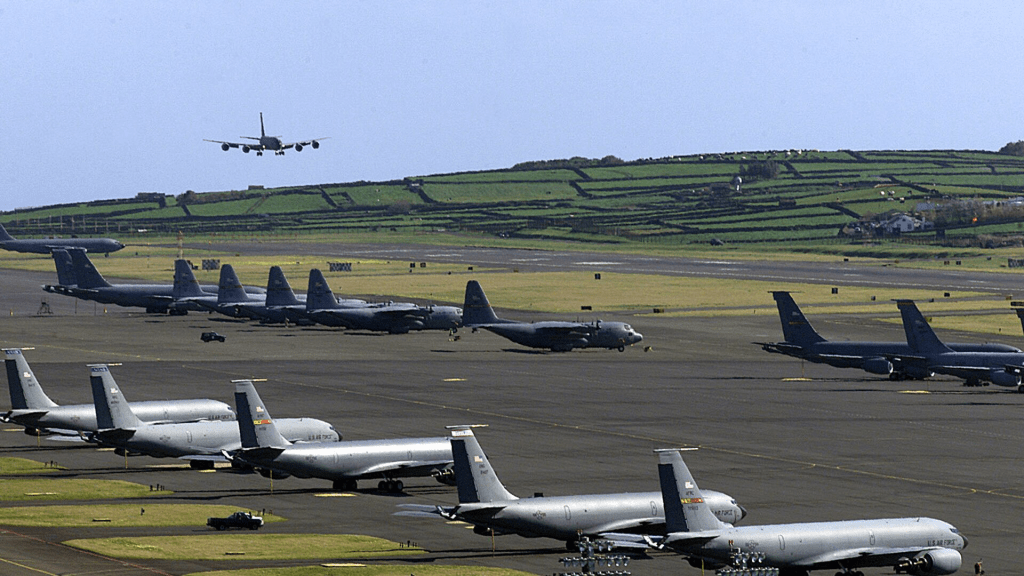
Air Base No. 4, known as Lajes Air Base, is a national aeronautical infrastructure used by the Portuguese Air Force and the United States Air Force and is an absolutely strategic infrastructure for the Azores, Portugal, the United States, Europe, and NATO. In the year in which NATO celebrates its 75th anniversary, it is worth remembering that Lajes Air Base played an important role in Portugal’s decision to become one of NATO’s founding members, even though, at the time, it was not a country governed by democratic institutions, a prerequisite for NATO membership, as stated by several experts in the field.
The Lajes Base has kept its strategic value intact. However, it has been adapted to current times, particularly in technological and digital terms, which naturally had and has consequences for the number of military personnel and people stationed at the Base and for the reduction in its staff, but this does not reduce its importance. It’s important to highlight this role of reinforced value of the Lajes Base in a country that sometimes forgets the contribution of the Autonomous Region of the Azores to Portugal;
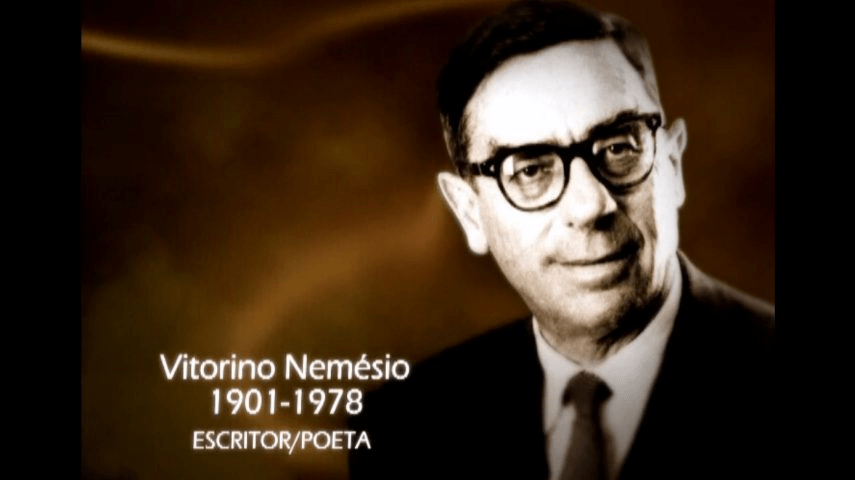
I should also mention the contribution of Vitorino Nemésio (1901-1978) to the culture of Portugal and the Azores, a native of Terceira born in Praia da Vitória, an Azorean and Portuguese and a citizen of the world who left us a remarkable heritage of words and writing. On February 20, 1978, I and other friends from Terceira said goodbye to him in the Basilica of Estrela and thanked him for the legacy he left us.
Praia da Vitória – Challenges and potential:
In the short term, the great challenge facing the Municipality of Praia da Vitória is the careful and efficient management of its difficult financial situation to achieve its financial balance and sustainability in debt servicing. This is always complicated; it generates significant protest capital, but it has to be managed with a lot of transparency and pedagogy, but it has to be done;
A second challenge is that of articulation and partnerships and, at the most different levels, relationships, such as the Government of the Republic, the Government of the Azores, the ALRAA, the 11 Parishes, the Association of Municipalities, with Institutions and Companies, with the Citizens, with the University of the Azores, and even with the military and religious authorities. In the Azores, we haven’t had a problem with this justified innovation in Portugal, which consists of the coexistence of regional and local power; on the contrary, it can be an added benefit for the population, and in this field, there is still room for growth, efficiency, and improvement, an issue to revisit;
Another vital challenge is demographics. The municipality of Praia da Vitória, in the last Census of 2021, had a population of 19,482 residents, while in the 2011 Census, it had 21,035 residents, which means a loss of 1,553 residents, which shows that in this decade, it has lost 7.4% of its population. In fact, this trend was seen in 18 of the 19 Azorean municipalities, with the only exception being the municipality of Madalena on Pico Island, and even that was not enough to compensate for the loss of population in the municipalities of São Roque and Lajes. In short, all the Azorean islands have lost population. This is a severe problem in the Azores and Praia da Vitória, which today accounts for 36.5% of the population living on Terceira Island and 8.2% in the Azores. It is one of the most populous municipalities in the region, but it must continue to put the issue of demographics among its top priorities, not least because this is absolutely vital for the sustainability of the municipality, including its public finances;
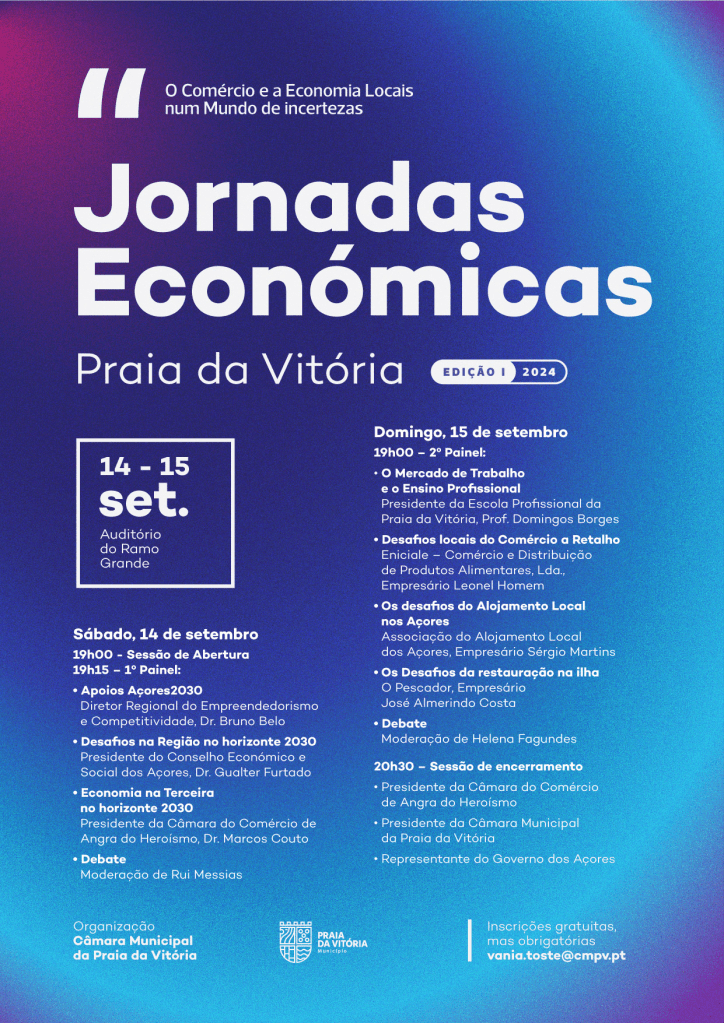
Without an economy, public and private, without a market, without investment, without accessibility, and without a quality response in education and health, it is challenging, not to say impossible, to overcome the Demographic Challenge, which is why this Challenge must be added to the list of priorities, deepening relations with other Partners, including the Association of Immigrants in the Azores. Whether within the scope of the Municipality or the Association of Azorean Municipalities, there is a case for strengthening technical support to make the most of the economic potential and advantages to be offered to investors and even those resulting from the Operational Programs for the Municipality itself (PRR and Açores2030);
A new challenge already emerging, even at the local level, is climate change, which requires planning, services, and knowledge to anticipate what seems inevitable: more protracted periods of drought, even with our powerful ally, the Azores Anticyclone. In this sense, it is advisable to prepare now. Terceira Island is fortunate to have Professor Eduardo Brito de Azevedo, a renowned technician and scientist in the field of Climate and Meteorology, and I am sure he is always available to give valuable advice;
As we saw in point 1, the Municipality of Praia da Vitória has immense potential to respond with quality to the tourism sector as part of an island and regional strategy. Quality tourism is fundamental for the development of the Azores and, specifically, for the Municipality of Praia da Vitória, complementing, for example, agriculture and fisheries. Tourism is an export sector, and Praia da Vitória has the sea, nature, farming, vineyards and wine, cultural heritage, and buildings, all resources that help to provide quality responses; what is needed is planning, a framework, and well-prepared human resources.
Challenges in the Region on the 2030 horizon
I’ve always been a critic of the economic spillover thesis (trickle-down economics, here in the US) and even of the multiplier effects of the Economic Hubs concerning the surrounding areas and more distant territories, which argue that the most dynamic centers would transmit automatic positive impulses to the other territories as long as the Growth Hubs were the target of concentrated investment, taking advantage of a supposed situation of economies of scale and greater efficiency. These theses have not been empirically verified in archipelagos and small economies, even in less developed countries. In mainland Portugal, for example, there is still a dichotomy between coastal and inland areas; even though accessibility has improved and tourism has reduced this gap in recent years, the differences are still huge. The regional response must consider each island’s specific characteristics, make the most of the potential and complementarity of each one, and allocate resources efficiently and rigorously, but also with solidarity.
Having said that, the major constraints facing the Azores are all structural in nature, some of which are centuries old, have been identified and even studied, and some measures have already been taken to mitigate them, but the results are still insufficient and require interconnected, interdependent, multidisciplinary and persistent action.

I’ve identified six Challenges for 2030 that are absolutely crucial for the evolution of Democratic Autonomy:
1. The Institutional Challenge, which implies updating the three fundamental instruments that regulate our Autonomy because they are very outdated: The Constitution of the Portuguese Republic about the Chapter on Autonomies, the Political and Administrative Statute of the Azores, and the Regional Finance Law;
2. The issue of the sustainability of Regional Public Finances, which is interlinked with the Revision of the Regional Finances Law but also with the need to increase Own Revenues in the Azores, which cannot be achieved without a more robust private sector and a more independent civil society;
3. Tackling the issue of demography as a problem that has dire consequences for our lives and even for sustainability;
4. Education and vocational training have to go hand in hand, and the lack of education is one of the main reasons for our dependency at all levels and the social indicators that put us at the bottom of the country and Europe. But beware, without an economy that generates positive net added value, the solutions for the social sector are generally precarious;
5. Land, sea, and air accessibility in a small, remote, dispersed, and insular economy is an absolutely essential challenge for the economic and social development of the Azores, and it is with great expectation that we await the final position of the Government of the Azores on the study it has commissioned for inter-island and international maritime transport;
6. Finally, the most severe social issue must be tackled by our society without taboos (poverty, addictions, homelessness, and early school leaving) and without demagoguery, and involving everyone. This was one of the issues that received a great deal of attention in the Economic and Social Council of the Azores, namely by the Standing Committee on Social Affairs, led by Professor Fernando Diogo, one of the most renowned personalities in the country in this area. We’ve done everything: the answer is No, which is why there is still a lot of work to be done, it’s not easy, but it is possible, acting on the economic, social and environmental fronts, and in an interconnected way.
The University of the Azores, its professors, and researchers must be involved in the study and search for solutions that will allow us to move away from dependency and bring us up to the sustainable income levels of the average European Union country. This is also why we created the University of the Azores, and I believe they can respond positively to these Challenges and this Mission.
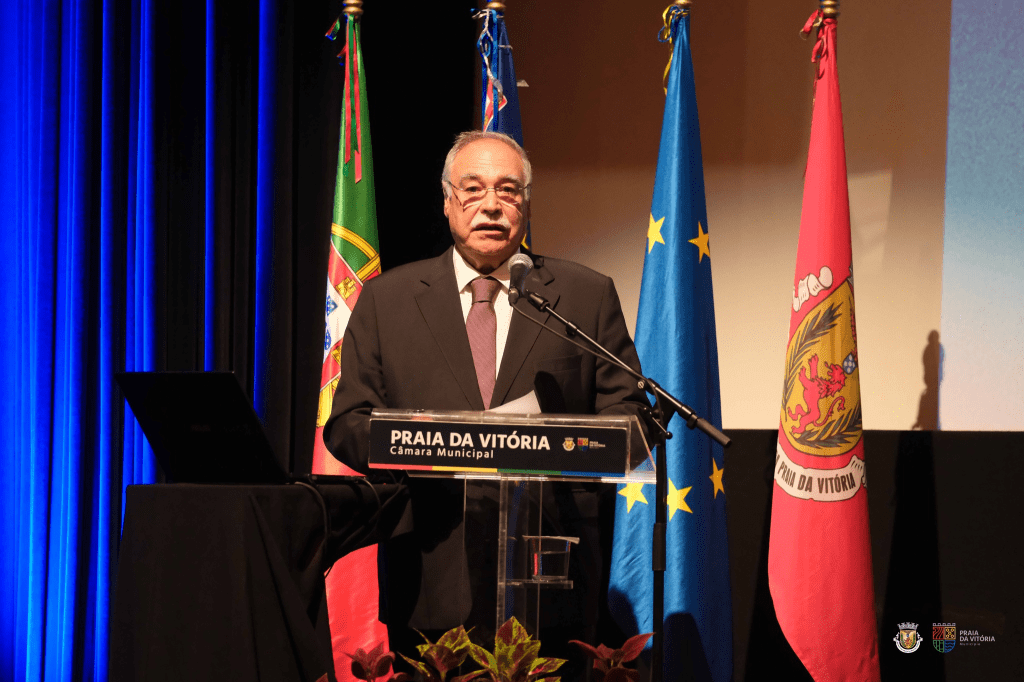
Gualter Furtado, September 14, 2024
Summary of the speech at the 1st Economic Conference of Praia da Vitória-Terceira Island, Azores.
in Correio dos Açores-Natalino Viveiros-director
Translated to English as a community outreach program from the Portuguese Beyond Borders Institute (PBBI) and the Modern and Classical Languages and Literatures Department (MCLL) as part of Bruma Publication and ADMA (Azores-Diaspora Media Alliance) at California State University, Fresno, PBBI thanks Luso Financial for sponsoring NOVIDADES.

 Novidades - The Islands and the Diaspora