

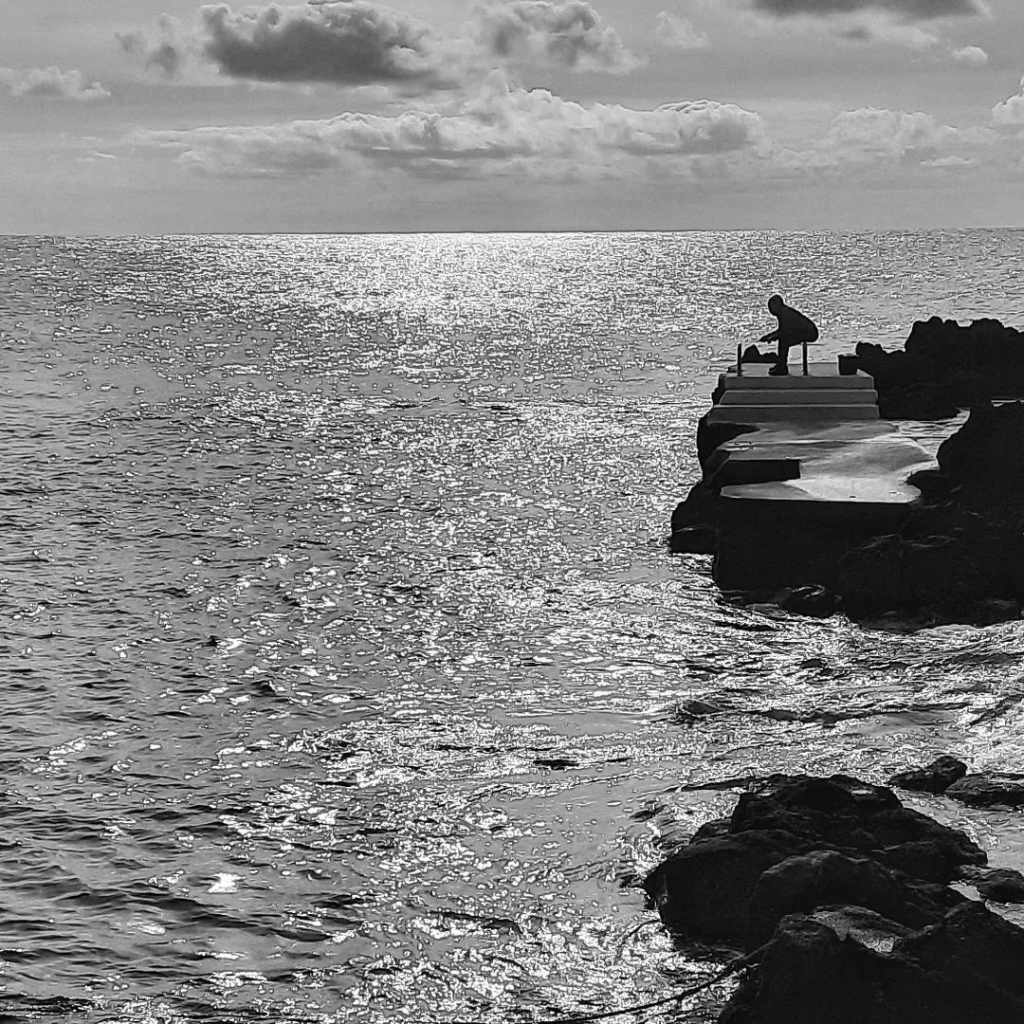
Without wishing to detract from the importance and symbolism of January, I will always say that September is the month of all beginnings. The night of December 31st to January 1st is a day of celebration and renewal of hope, no doubt, but in September, in these latitudes, a new cycle in the life of communities is announced.
The end of summer is approaching, the roadside “schoolgirls” begin to emerge, and children and young people, families, teachers, and schools resume their teaching routines. With the start of the school year, the habits of families and communities are resumed, new expectations are created, discoveries are made, it’s time to return, to meet and reconnect, or better said, life resumes its normality, and everything starts again, and even if at the end of the day we continue to go to the bathing areas, or chatting on one of the terraces where it’s possible to do so without any noise other than the murmur of the sea, the gentle breeze rustling through the leaves of the trees and loose words, it’s the harbinger of the end of the hot season, this year, by the way, living up to its name.
I’m a retired teacher and don’t have any school-age children, so September no longer has the same impact as it did over dozens of years of my life as a student and then in a long professional career. However, the changes that occur around this time continue to influence my routines, firstly because I stay connected to my union and follow its activities, but also for the reasons already mentioned, i.e., the changes in the routines of the community in which I live have little or no influence on my day-to-day life.
Life isn’t just about school activities, but the return to school at the different levels of education and the course of the school year sets the agenda for community life because those directly involved in the process represent a significant part of society; on the other hand, the importance that education has in disseminating knowledge and culture and in forming citizens who want to think and be able to make informed choices does not leave us indifferent because, in the end, it is the preparation of the collective future that we are talking about.

I have an opinion, but today I’m not going to talk about education and the organization of the school year, I’m leaving that space primarily to the schools, the trade unions and the regional education administration. During this week, we will certainly hear and read what there is to say on the subject. However, the lack of professionally qualified teachers is again worrying and will undoubtedly make headlines in the media. I don’t expect a holistic analysis of the subject. Still, at the very least, it is necessary to list the social and professional devaluation of the career, such as the changes to the teaching career statute and the creation of an anachronistic model for evaluating teaching performance, spearheaded by Minister Maria de Lurdes Rodrigues and Prime Minister José Sócrates, as determinants of the current situation.
“A teacher doesn’t teach everything, but he teaches almost, almost … everything!” This is the cover sentence of the teacher’s agenda for 2024-2025, produced by the trade union organization with which I have always been associated and which, as usual, was distributed at the end of August to all educators and teachers who are members of the trade union organization that represents them.
The phrase was well-crafted and reinforces the importance of the teaching function. Still, it is also a cry of revolt at the attribution of responsibilities to educators and teachers that are not, and cannot be, theirs.“A teacher doesn’t teach everything…” So, who teaches what is not taught by teachers? While it is true that teachers are given responsibility for school learning, for promoting culture and the importance of knowing and doing, it is no less accurate that education is a collective responsibility. It is a responsibility that the family and the school must take the lead and organizations that promote initiation into sport, the arts, and other educational or recreational activities must complement it. In other words, social responsibility for children and young people is (must be) the community’s responsibility and, as such, cannot be limited to the school alone.
The family is irreplaceable in the training and education of children and young people; the school reinforces, complements, and opens up horizons of knowledge, but it cannot replace the family, nor should the family replace the school. When this happens, the authority of both the school and the family is called into question by the recipients (the students), which obviously harms the children and young people. Still, as I’ve already mentioned, it can generate a climate of animosity and conflict that benefits neither party and can seriously damage the students.
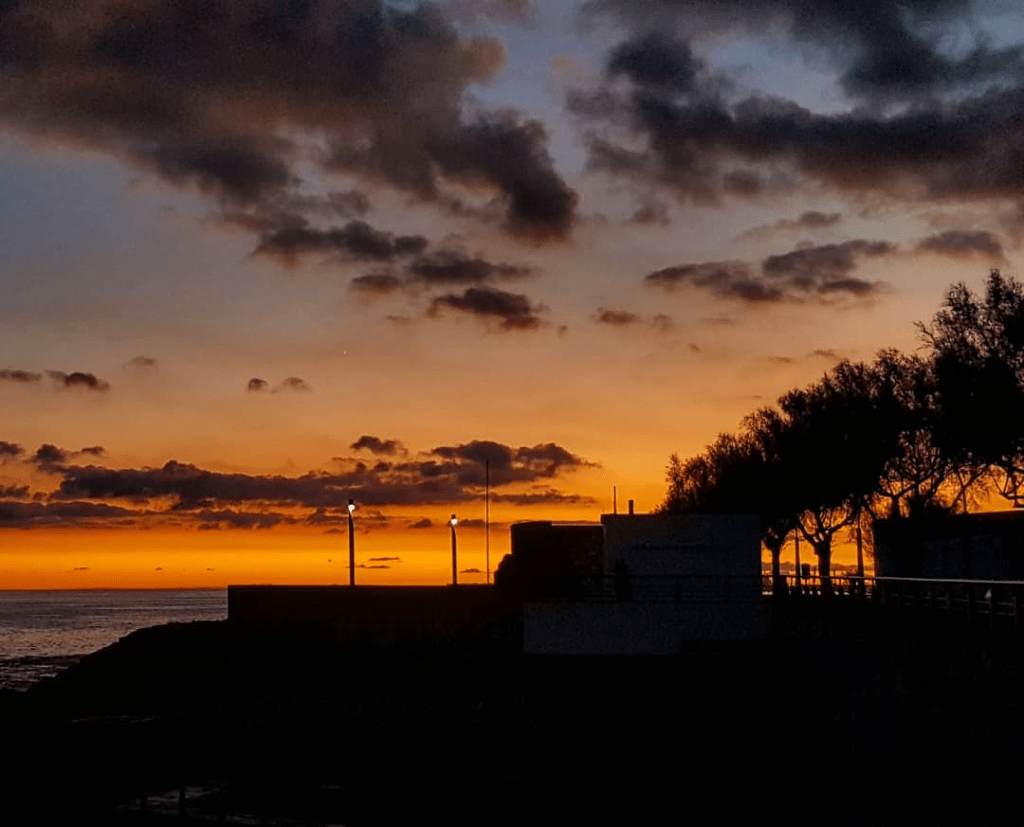
The month of September can also be the end of one or more cycles, and this gives it attributes that distinguish it from other months in the Gregorian calendar, such as the grape harvest that culminates the cycle of grape ripening, but also the harvest of different fruits that mark the end of summer and the beginning of fall. As we know, seasonal fruit is more nutritious and tastier, and it is necessary to support local (regional or national) production. The end of a cycle, after the fallow period, just like the school vacations, begins another period in which everything repeats itself for our contentment and survival.
These cycles don’t happen by chance—the position of the Earth in relation to the Sun determines them. The Autumnal Equinox takes place on the 22nd of September this year. It’s the end of summer, and that day will be the same length as the night. During the fall, the sun’s light decreases 4 minutes a day until the longest night, which occurs on the winter solstice, December 21.
The solstices and equinoxes mark the beginning of new natural cycles that are repeated every year and which have been the subject of study since antiquity. Still, also of pagan festivities that have been appropriated by the dominant “culture.” However, this has not always been successful, and there are still popular manifestations that retain some of the characteristics of the old festivities.“There is always someone who resists/There is always someone who says no,” as the song “Trova ao vento que passa,” popularized by Adriano Correia de Oliveira, says.
If it manages to finish, this article is somewhat uncharacteristic and perhaps disorganized. I don’t disagree if that’s the reader’s assessment. Summer has these things; in the media, they say it’s the silly season. I hope that the serenity of autumn and the beginning of a new cycle will bring me more discernment and sharpness so that the temperatures drop and the relative humidity remains at acceptable levels.
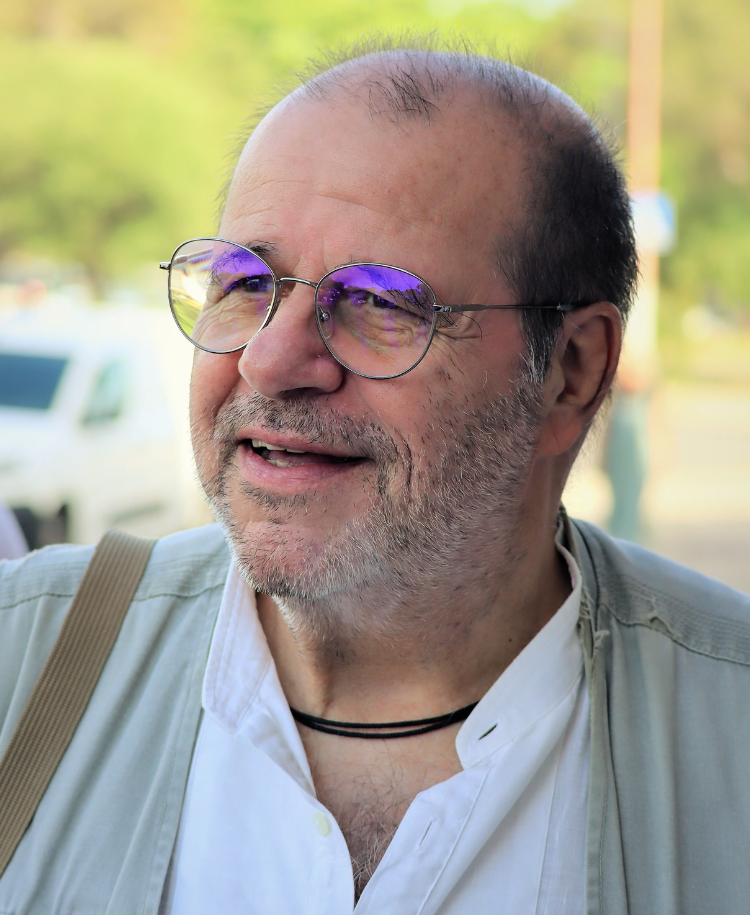
Aníbal Pires is a retired educator, political activist, poet, and contributing writer for several Azorean newspapers and media outlets. He lives on the island of São Miguel. The pictures in the article are also by Aníbal Pires.
NOVIDADES will feature occasional opinion pieces from various leading thinkers and writers from the Azores to give the diaspora and those interested in the current Azores a sense of the significant opinions on some of the archipelago’s issues.
Translated to English as a community outreach program from the Portuguese Beyond Borders Institute (PBBI) and the Modern and Classical Languages and Literatures Department (MCLL).
 Novidades - The Islands and the Diaspora