

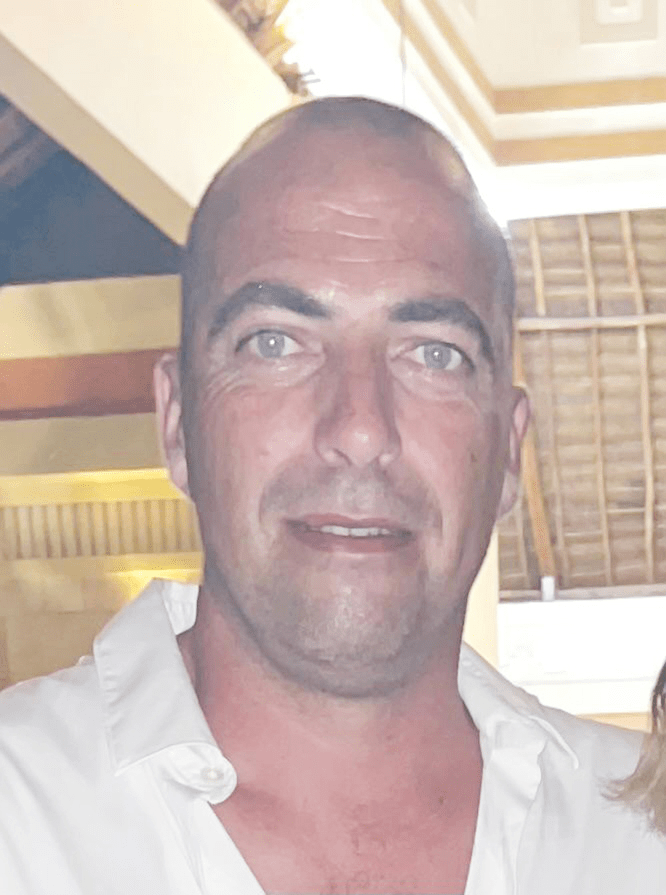
David Areia has been President of the Parish Council of Piedade, in the municipality of Lajes do Pico, since 2021, serving his first term. He works as an Operational Assistant at the Pico Forestry Services. In this interview, the mayor talks about why the parish’s population is getting older and the decrease in the number of residents, the importance of fishing and agriculture in the parish, and the existence of a foreign community living in Piedade. The President of the Junta de Freguesia says that the parish has many “wonderful landscapes” but loses out because it is far from the center of the municipality.
Correio dos Açores – What is your experience as President of the Parish Council of Piedade?
David Areia (President of Piedade Parish Council) – It’s been a challenging experience because I found the parish council in a rather bad state, especially financially. Fortunately, although the challenge has been great, we managed it well. As it was my first term in office, I remember how our team arrived, always with the idea of doing more, but in reality, we realized that we weren’t going to be able to do everything we had planned. Apart from that, everything has been very positive.
What are the main challenges, needs, and difficulties facing the parish?
We have several population difficulties since the municipality of Lajes do Pico—where my parish is included—has a higher percentage of older people. In addition, the parish is located at the tip of the island, which means it’s not close to the centers of the municipalities on Pico Island. It ends up being challenging, but it’s been more positive.
In the past, the parish had three functioning banks, but now there isn’t a single one. Younger people don’t feel this difficulty so much because of the new technologies, but it’s more complicated for older people. We have two ATMs.
Is there any infrastructure missing in the parish of Piedade?
Not at the moment. The Junta (Parish Council) has carried out a significant project that was years in the making: the Philharmonic headquarters, which was reopened this year. This infrastructure brings a lot of added value to the parish, not only to the Philharmonic but to all the activities. It was a very positive aspect because it was our pain to see that new building closed, but fortunately, it has been resolved.
What are the difficulties?
Our population lives mainly on agriculture and fishing. We learned to live this way many years ago and have maintained a good living standard in our parish.
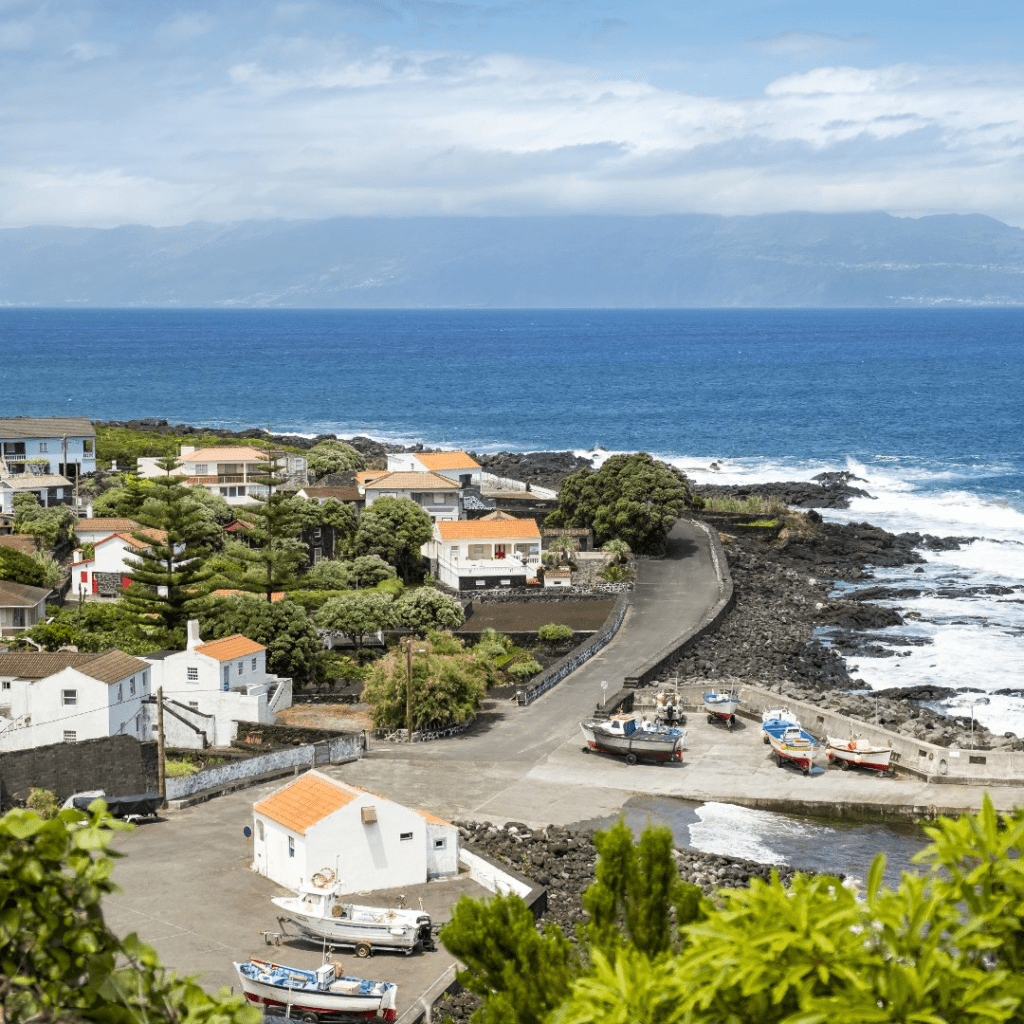
The parish of Piedade is very much based on the primary sector. How big is the parish of Piedade in this sector on the island of Pico?
We’re not the biggest producers of meat or milk, but we’re very well qualified. In the milk sector, we have few cows, but they’re outstanding, and we’ve even won several first prizes for milk at fairs. As far as meat is concerned, we’ve come a long way and have a high quality of meat – and we’ve won some awards.
Our parish has two fishing ports, and our fishermen are top-quality. The area around the tip of the island is perfect for fishing. In addition to our fish, fishermen from São Miguel and Terceira also come here.
How has tourism grown in recent years? Does the parish have local accommodation for tourists who want to spend short periods in Piedade?
We have a lot of accommodation which, fortunately, has had a lot of visitors and is practically full. Even during the winter, many tourists visit our parish.
When people initially talked about tourism development, they said that few tourists came, but with a lot of money. Now, tourism isn’t as profitable as it used to be. In other words, there’s more tourism, but it’s not as profitable.
Currently, the parish of Piedade has more than 12 local lodgings.
We also have some abandoned houses. We’ve restored some of these houses and still have plenty of space to build new ones.
According to the latest CENSUS, the parish’s population has decreased in recent years. In 1960, it had 2,096 inhabitants; it now has 757. Fewer young people live there, and the elderly population is increasing. What do you think this is due to?
The decrease in population is due to the high emigration rate, with many Piedade residents emigrating to the United States of America and Canada. Recently, we have had the problem of a lack of youth employment. The latter is because many young people don’t want to go into farming or fishing and usually don’t return. Apart from older people, very few come back. These are the two reasons why the population of our parish has decreased.
Are the funds sufficient to run the parish throughout the year? Is there any missing infrastructure?
Funds are always few and far between, but we have raised some money. For example, we have a CTT office in the parish council, and we’re in the process of bringing in the RIAC—this income will allow us to do more activities.
We’ve already got a ramp for people with more significant mobility difficulties. We are an educated body, and we have to set an example. I believe there is a lack of investment in this infrastructure, and we have been committed to this.
What cultural activities does the parish promote?
The parish council holds a monthly traditional market, where all kinds of products are made in the parish of Piedade, from handicrafts to fruit. We implemented this project. We also have our Cultural Week, which, interestingly enough, took place this week. It wasn’t held for a while but has returned and has been very interesting and positive. This festival is held in the low season because of the Candelaria Festival and to keep people busy with activities. We have the Chamarrita do Pico here and a hall that opens every Thursday night to teach people how to dance the chamarritas.
What sectors does the parish have the potential to develop?
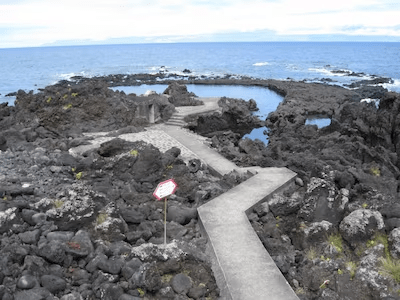
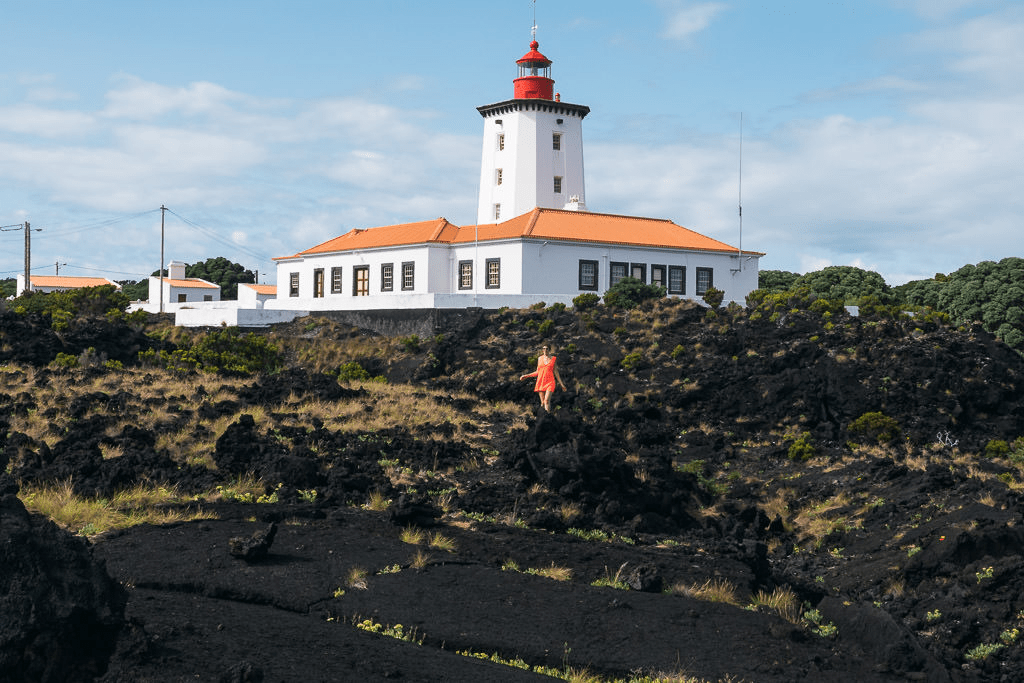
Tourism has great potential for the parish of Piedade. We have beautiful views of the islands of Graciosa and Terceira – few parishes have a landscape like this – beautiful natural pools and incredible trails. We have so many things that people here don’t appreciate because they’re the things we do every day. Our parish has a community of foreigners – Germans and French – who live here. For some reason, they move to our parish. We really do have a lot of potential.
Many artisans live in Piedade and participate in various fairs in São Miguel and Terceira. Many of them have their own structures that people can visit.
What projects do you have for the future?
We still have a project pending: the construction of a children’s playground. We want to complete this project by September next year. This term, we refurbished the swimming pools and implemented many cultural activities.
Any other thoughts regarding the parish of Piedade?
Our people are very welcoming – we’ve had this reputation for some years – to those who visit us. Our great image will always be the friendliness of our welcome. We have beautiful landscapes with viewpoints. Our bathing areas are excellent, even though one is already small due to the large influx.
We have little-known and advertised areas, such as the Céu de Abraão area. Only those who see it can appreciate it.
Filipe Torres is a journalist for Correio dos Açores-Natalino Viveiros, director.
Translated to English as a community outreach program from the Portuguese Beyond Borders Institute (PBBI) and the Modern and Classical Languages and Literatures Department (MCLL) as part of Bruma Publication and ADMA (Azores-Diaspora Media Alliance) at California State University, Fresno, PBBI thanks Luso Financial for sponsoring NOVIDADES.

 Novidades - The Islands and the Diaspora