

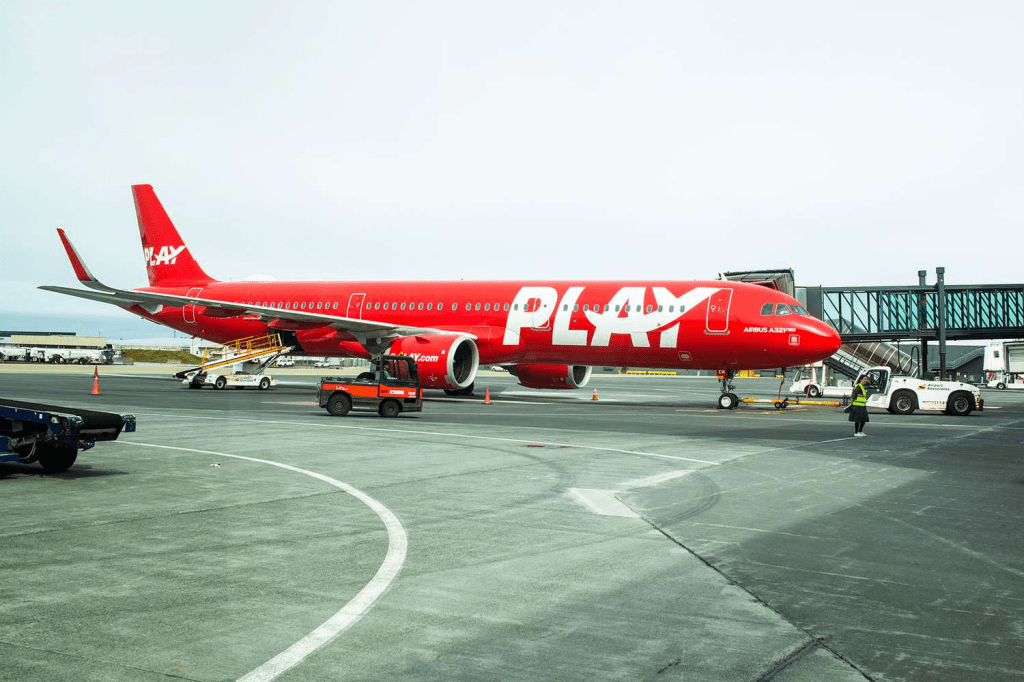
Play is an Icelandic low-cost airline with a fleet of 10 planes from the Airbus A320 family, specializing in connecting passengers between North America and Europe, changing planes in Iceland, and offering immediate connecting flights or a stopover to get to know the island. This hub and stopover model in the middle of the ocean sounds familiar, right? Iceland, an isolated, ultra-peripheral country with a small population and subject to the force of nature – from the fury of volcanoes to the severity of its winters – relies heavily on air transport, even for connections between the country’s coastal towns, which only have a long ring road. However, unlike in other countries, in Iceland, the airline sector is not treated as a state issue, nor is it dependent on Icelandic taxpayers. These companies exist and operate entirely privately, with the state acting only as a public policy facilitator: it encourages plurality in the sector. It creates campaigns to attract tourism in winter, helping to combat the seasonality of an entire business network, which includes air transport. Realizing that Reykjavík, which until then had been the only international airport, was becoming a funnel, the Icelandic government invested in converting two domestic airports to international ones, one in the north and one in the east, and launched a program to attract new airlines to these regions that are now reaping the rewards of this decentralization. In the particular case of the Play company, not everything has gone its way. The dream of becoming a “bridge” between the continents didn’t work out as expected. Although the company has broken records in terms of passengers, destinations, and revenue, at the end of the day, it’s the balance sheet that matters. And when the bottom line is negative, who pays for the loss? Fortunately for Icelandic taxpayers, Play’s failure doesn’t directly affect their pockets, and the airline industry is now sufficiently diversified to continue with healthy autonomy. Play, for its part, is now reviewing its strategy. The idea of maintaining a “hub” to connect dozens of American and European destinations has proved unsustainable, and the new approach will focus on the most popular destinations for Icelanders and the primary source markets for tourists to Iceland. The final destination and starting point will be Iceland itself, rather than trying to compete in 39 destinations between the two continents with prices that don’t cover operating costs and which can hardly be increased because competition on this North Atlantic axis is fierce and relentless.
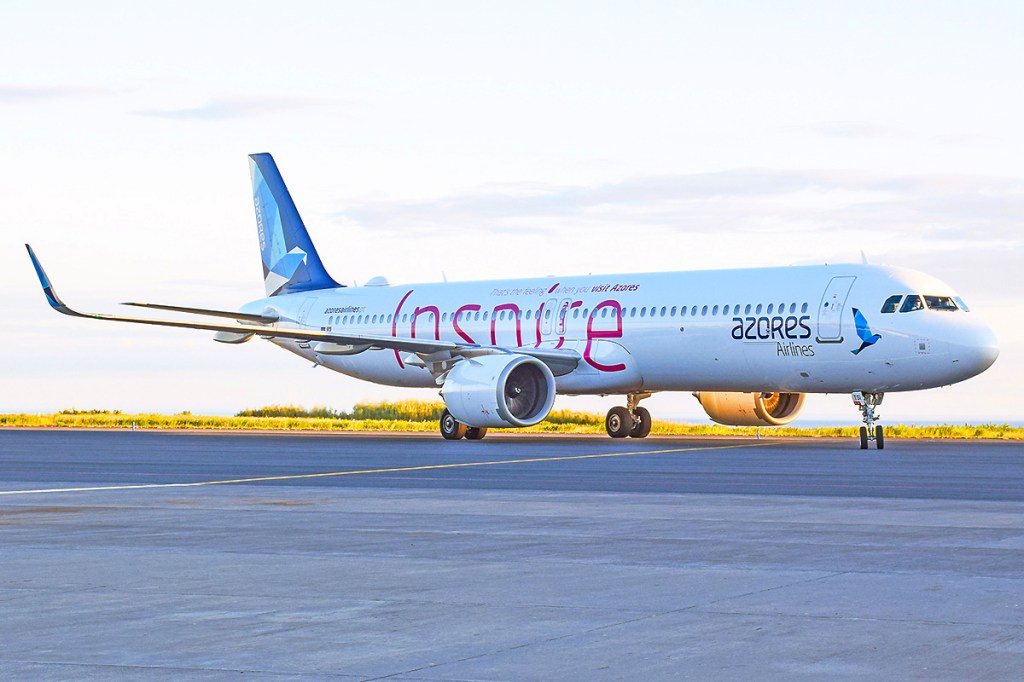
This dose of realism is precisely what Azores Airlines lacks. Not only realism but also shame and accountability on the part of its management about the use of public money under the pretext of “connecting the Azores to the world and the world to the Azores.” The actual practice of this poetic intention boils down to a chaotic cycle of losses paid for by taxpayers, which benefits them very little or not at all. Just try traveling from Faial or Graciosa to Milan or Barcelona via Ponta Delgada on the same day. It’s impossible! Doing it from Boston or Toronto… it’s quicker and sometimes cheaper!
While Iceland has learned to let its airlines evolve without direct state intervention, the Azores continue to choose the route of inefficient waste of public resources. What was supposed to be a strategy for connecting with the world has become, in practice, a centralizing, impenetrable, inefficient state monopoly and a financial burden paid for by all Portuguese. It’s time for a new approach, more sustainable and less dependent on the taxpayer, so that Azores Airlines can, like Play, focus on better serving those who really matter: the Azoreans and all those who wish to visit the archipelago. And while we’re at it, do it profitably – yes, we can!
Pedro Castro*
- Commercial Aviation and Tourism Consultant
NOVIDADES will feature occasional opinion pieces from various leading thinkers and writers from the Azores to give the diaspora and those interested in the current Azores a sense of the significant opinions on some of the archipelago’s issues.
Translated to English as a community outreach program from the Portuguese Beyond Borders Institute (PBBI) and the Modern and Classical Languages and Literatures Department (MCLL)
 Novidades - The Islands and the Diaspora