

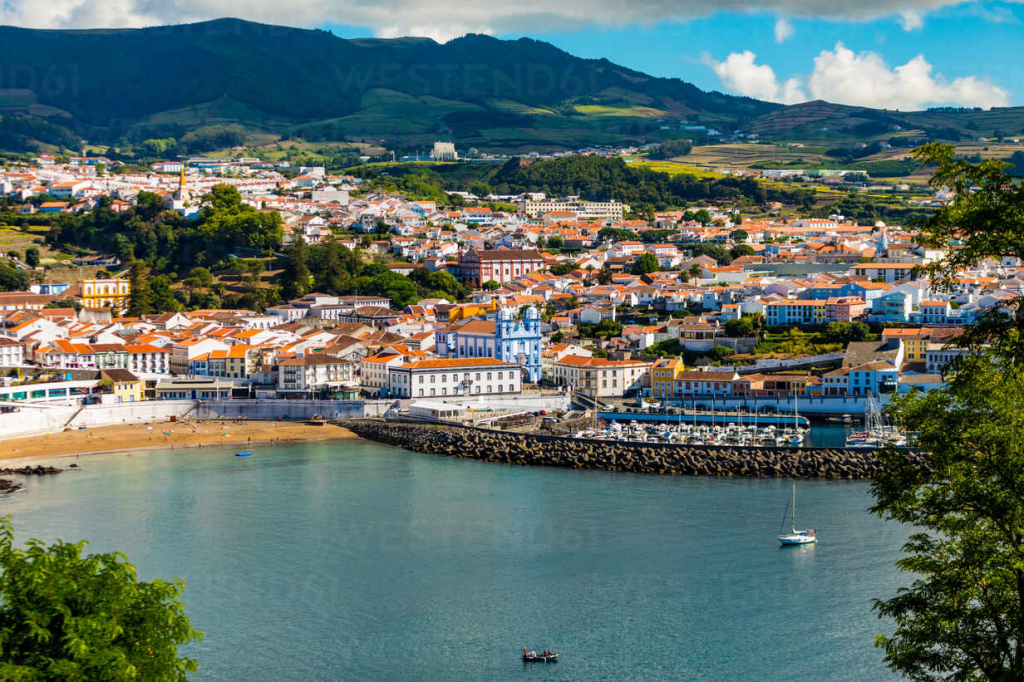
“Some of the claims made in previous plans remain unanswered, and others have disappeared without detailed justification,” reads the opinion, to which Lusa has had access, and which also points to ‘the difficulty of spatially identifying the investments exclusively allocated to Terceira Island.’
The Terceira Island Council had already discussed the preliminary draft of the Region’s Investment Plan for 2025 on October 7. Still, the councilors created a working group to gather contributions from the various entities represented.
At that meeting, it was also decided that the opinion would not make a positive or negative assessment of the document but would merely present a list of positive and negative aspects.
The approved document indicates seven positive points in the investments planned for the island, including 4.7 million euros for the refurbishment of the Lajes Civil Aerogare and 200,000 euros to “promote the attraction of new tourist flows and promotional campaigns.” However, they consider the latter amount “residual, given the purpose for which it is intended.”
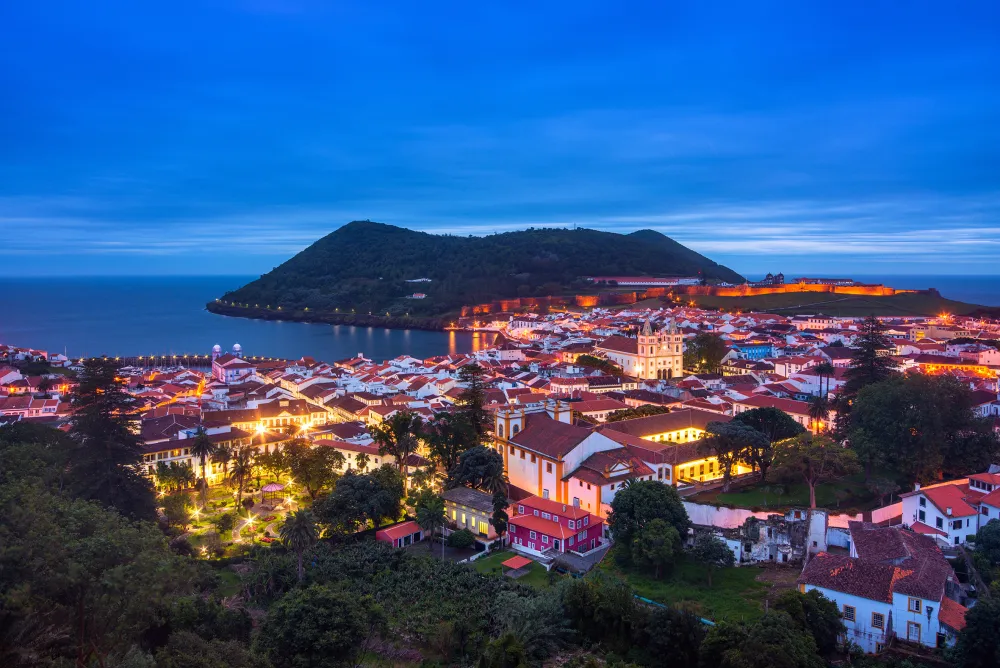
The councilors also highlight the investment of around 2.3 million euros in rehabilitating the Jerónimo Emiliano de Andrade Secondary School and a similar investment in expanding the Terceira Island Science and Technology Park (TERINOV).
The opinion also highlights an investment of five million euros for the expansion of the multi-purpose quay at the Port of Praia da Vitória, a “long-standing demand” of the Island Council, so that “the growing demand for cruise ships can be boosted and a space for loading and unloading goods can be provided.”
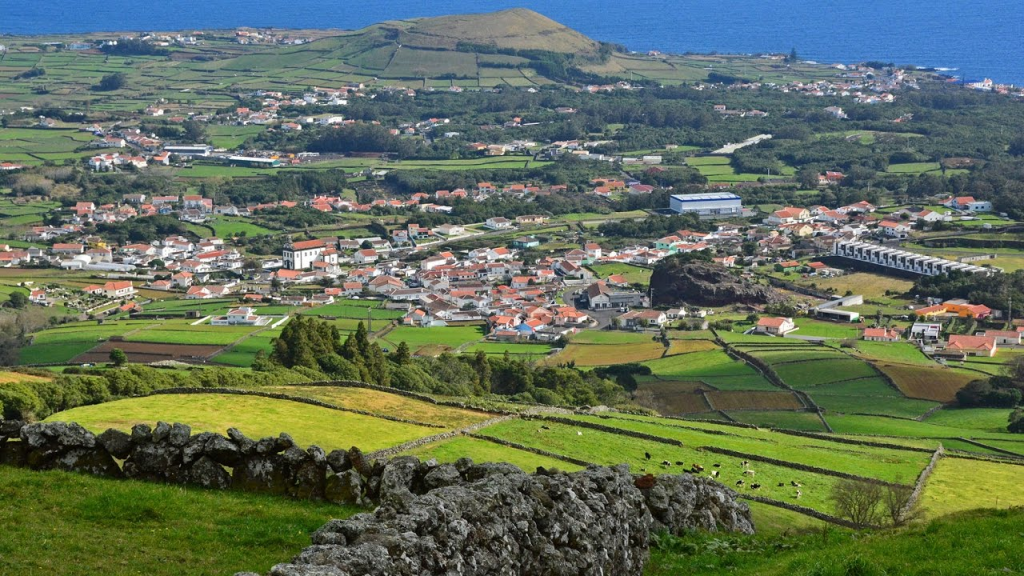
Still, on the positive side, they list an investment of nearly 1.3 million euros in the construction of infrastructures to support fishing in the port of São Mateus da Calheta and the extension of the “New Elderly” program to all the islands, with a warning about the “need to increase the number of places” in the municipality of Praia da Vitoria.
On the negative side, the councilors refer to “the growing abandonment of the road network,” arguing that the island’s roads “need fundamental and structured intervention.”
They also claim that “investment in the Interpretive Center of the Battle of Salga has been withdrawn and there has been no progress on the Lajes Base Research and Interpretive Center, which has remained unchanged since 2022”.
Another negative point is “the complete disappearance of the ‘Terceira Tech Island’ project”, which, according to the councillors, “reveals that the island is no longer part of a strategy for the future in terms of investing in new technologies and attracting companies in this area”.
The Island Council warns of the “growing need for manpower in areas such as catering, construction, agriculture, and land transport” and “considers it urgent that Terceira Island has a thought-out, structured, and predictable strategy regarding the island’s air links to the outside world.”
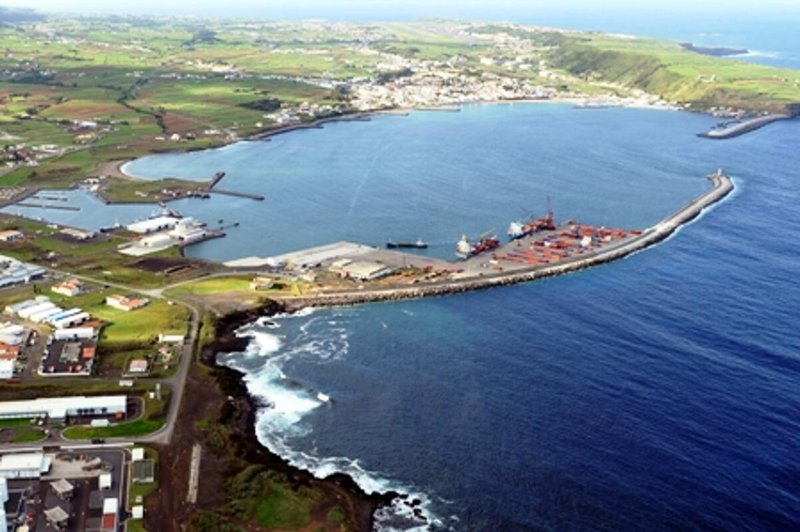
The opinion also points out that “the delay in assuming the Port of Praia da Vitória as an important hub for the reception and distribution of goods in the Azores” is unfavorable, considering the study on the transportation of goods in the region.
“We are very wary [of] pressure from some to disregard the obvious conclusion of the importance of the Port of Praia da Vitória in the regional panorama, to the detriment of any particular island interest,” the document states.
The councilors criticize the “significant reduction in the investment allocated” for constructing the new Specialized Epidemiology and Molecular Biology Service laboratory, from 100,000 to 30,000 euros, pointing out that the action “is successively included in the plan without any implementation.”
They also warn of the need to intervene in the emergency access to the island’s hospital and the road linking the parishes of Raminho and Serreta, “considering the seismic situation” there.
It also calls for implementing public policies to support the digital transition of private social solidarity institutions (IPSS).
The Island Council is a consultative body of the Regional Government of the Azores made up of mayors and representatives of social, environmental, cultural, and business organizations on the island, as well as members of parliament and a member of the executive, who do not have the right to vote.
In Açoriano Oriental-Paula Gouveia, Director-from a LUSA news agency story.
Translated to English as a community outreach program from the Portuguese Beyond Borders Institute (PBBI) and the Modern and Classical Languages and Literatures Department (MCLL) as part of Bruma Publication and ADMA (Azores-Diaspora Media Alliance) at California State University, Fresno, PBBI thanks Luso Financial for sponsoring NOVIDADES.

 Novidades - The Islands and the Diaspora