

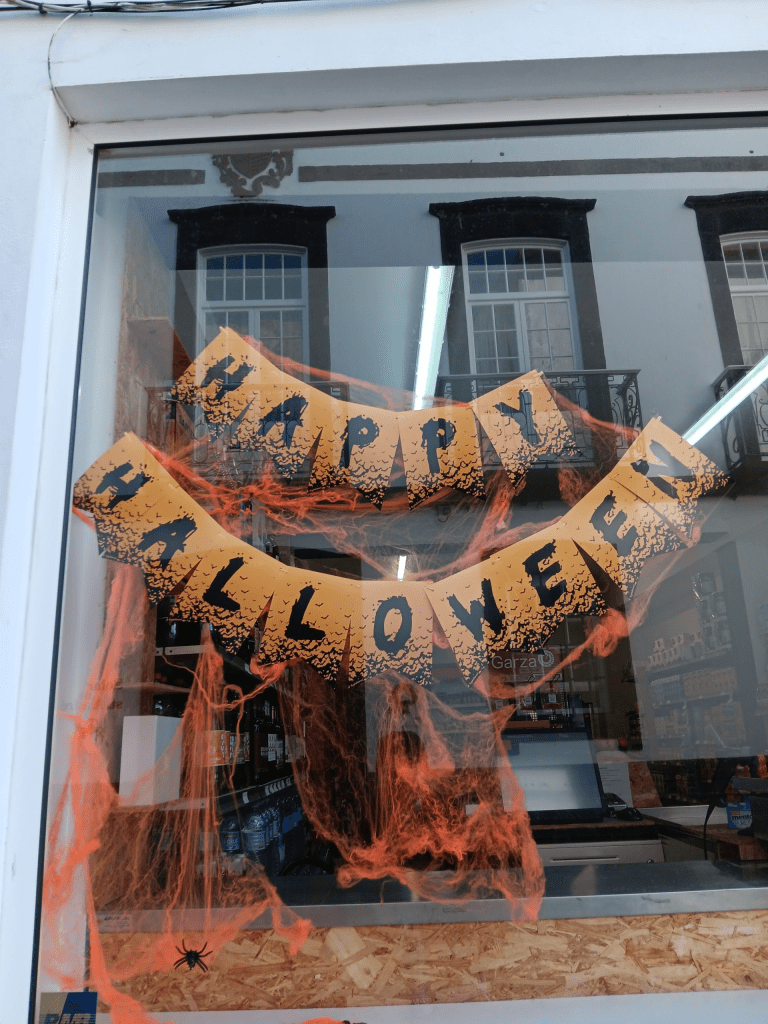
Every year, on October 31st, Halloween (also known as Halloween) is celebrated all over the world. To understand the history and influence that this day has on our society, Correio dos Açores tried to explain the origin of this festivity and its impact on Azoreans. For the librarian at the University of the Azores and coordinator of the American Corner project, “giving and sharing,” which are historically associated with this day, should be “instilled in young people.”
Yesterday, October 31st, was once again marked in today’s society as the date commemorating Halloween. Celebrated mostly by the very young, where they search endlessly for sweets and treats, knocking from door to door with the cue “trick or treat”, adding costumes and decorations that remind us of terror, horror and the dark side of reality and fantasy. Halloween as we know it today, in the contemporary Western panorama, is an evident influence of North American power. This celebration itself goes back to Celtic roots and pagan rituals, particularly in Great Britain, which persisted even after the Christianization of these peoples and territories. It was mainly through the Irish presence in the United States of America that this tradition evolved and was reformulated into the concept we know today.
Historical Origins of Halloween
Halloween’s roots go back to Celtic culture and people, drawing parallels with Samhain, which was nothing less than a festival to celebrate the end of the harvest and the transition between seasons. It was believed that on the night of this festival, there was very little separating the world of the living and the world of the dead, which would cause the spirits of the dead to return to Earth. Food offerings were made at these celebrations, and masks and costumes were worn to ward off the “evil spirits.”
With the disappearance of pagan cultures and the growing (and then effective) Christianization of Europe, Samhain was assimilated. Customs from these cultures were adapted and continued to be celebrated. This festival came to be known as “All Hallo’s Eve,” later abbreviated to Halloween.
It is said that it first gained popularity in the United States among Irish immigrants in the 19th century, who preserved and brought this custom with them. By the second decade of the 20th century, it had grown into a more widespread and communal celebration, adding the modernity of these new times to the USA, with trick-or-treating becoming popular, i.e., children in costume going from door to door asking for sweets. In this decade, the concept of Halloween became popular and eternalized, celebrated every year on 31 October. The correlation between the offering of food and wearing masks with the door-to-door trick-or-treating in costume results from the evolution of traditions and their adaptations at different times in history.
Bread for God
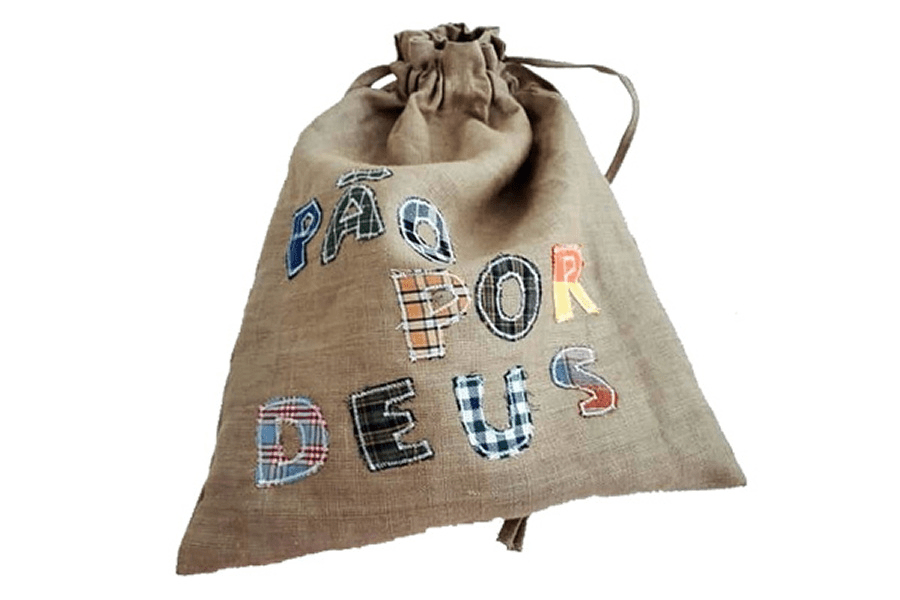
Traditions of offerings to the dead are practices associated with the cultures of pagan peoples. Bearing in mind that these peoples also inhabited the territory of mainland Portugal, it is natural that there are traditions that, even with adaptations or modifications over time, still endure and are inherent to our national culture. One of these is bread for God. Bread for God is nothing less than an offering to the dead, along the same lines as the Halloween celebration. Celebrated in various ways in the regions of our country, it is a tradition that has been forgotten by time and overshadowed by the great dimension that Halloween brings with it in culture and entertainment on a global scale.
Influence in the Azores
Halloween in the Azorean archipelago is one of several American influences. In this context, Correio dos Açores spoke to Laudalina Esteireiro. A librarian with a history degree and a postgraduate degree in Documentary Sciences, she coordinates the American Corner project, a joint project between the University of the Azores and the US Embassy in Portugal to promote American culture.
For Laudalina Esteireiro, Halloween and Bread for God have a common goal: giving and sharing. With the project she is coordinating, she wants to convey to Azorean children that Halloween is not just about “sweets, monsters and vampires” and that these principles need to be instilled in young people.
“In the Azores, bread was celebrated by God. This tradition was diluted over time with visits to the homes of American families and the military presence on the islands. The gift of the cookies and the bread changed. The truth is that the tradition has, in a way, been maintained in the form of candies. There has been an acculturation with traditions that have been diluted. We also have to talk about the return of some Azorean families who had emigrated to the USA and brought this tradition with them,” says Laudalina Esteireiro. The librarian from the University of the Azores took the opportunity to promote the American Corner project, which, in addition to celebrating Halloween at the University, will also celebrate other American festivities such as Thanksgiving and the 4th of July.
Impact on local commerce
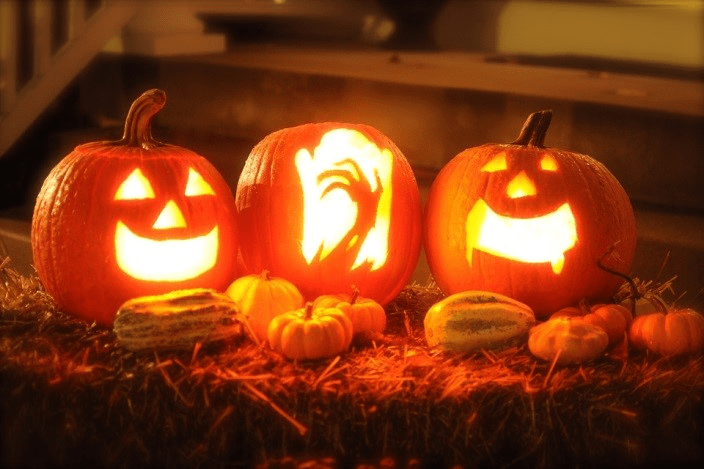
Halloween is associated with sweets and treats, so we wanted to find out if this preconceived idea of Halloween impacts local businesses in Ponta Delgada.
At the Couto Mini-Market, the shopkeeper says that the date doesn’t affect her business, which has been worsening yearly. She complains that it’s impossible to compete with large stores. For example, when she sells small chocolates, she has to sell them for 50 cents to make a profit, while in another larger store, they sell the same chocolates for around 20 cents.
At the Mini-Mercado do Colégio, when asked about the impact of Halloween on business, they quickly mentioned that a container of sweets and chocolates had already been sold out in the morning. For this small mini-market in front of the Colégio dos Jesuítas church, this day usually affects business. If the morning was already bright for these traders, they hoped the afternoon would have the same rhythm.
JHAndrade is a journalist for Correio dos Açores-Natalino Viveiros, director
Translated to English as a community outreach program from the Portuguese Beyond Borders Institute (PBBI) and the Modern and Classical Languages and Literatures Department (MCLL) as part of Bruma Publication and ADMA (Azores-Diaspora Media Alliance) at California State University, Fresno, PBBI thanks Luso Financial for sponsoring NOVIDADES.

 Novidades - The Islands and the Diaspora