

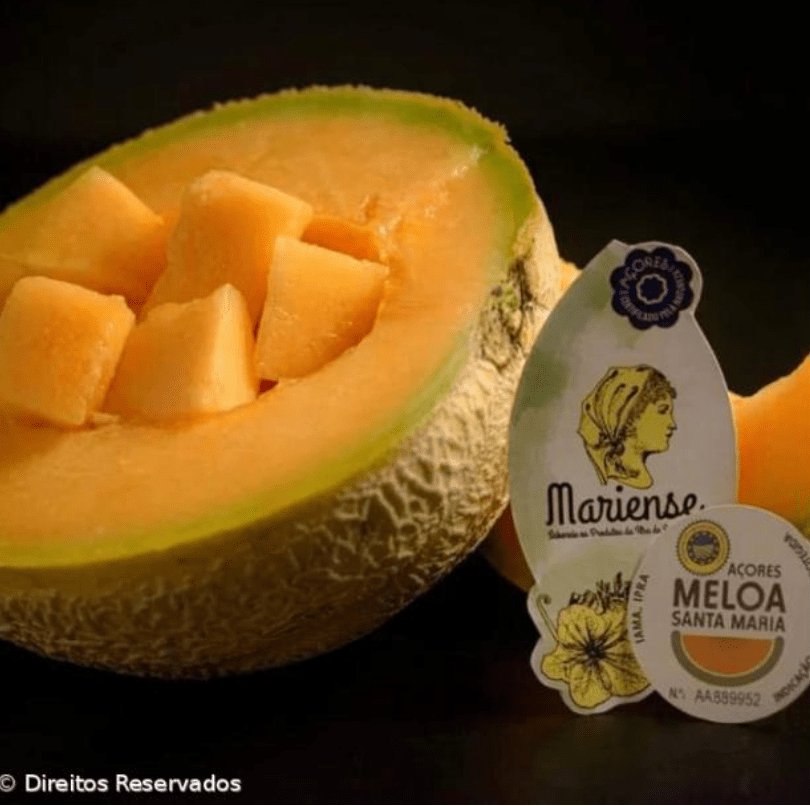
The look, smell, touch, and color are enough to understand the uniqueness of a Santa Maria cantaloupe, even before we get to the most crucial sense: taste. Today, we can find it in large supermarkets alongside many other fruits. Still, relatively few years ago, it would have been much more difficult to find it far from your island since its production was small and limited at the beginning of the millennium.
“The few producers that existed competed with each other, prices were low, and there was even a lot of melon that stayed in the ground,” explains engineer Duarte Moreira, the current chairman of Agromariensecoop’s Board of Directors. At the time, as head of the Santa Maria Agrarian Development Service, he was already considering the activity with concern, shared by producers and the Regional Government. This was one of the reasons why a study was carried out to assess the island’s production conditions. The main conclusion was recognizing the need to create a structure representing all producers, providing technical support, and valuing the product on the market. This is how AgroMarienseCoop was born in January 2006 to define joint strategies that would benefit everyone “with one voice,” as Duarte Moreira describes it.
One of the main achievements he highlights over these 18 years is Meloa de Santa Maria’s certification as an IGP (Indication of Protected Origin) product. It took a decade to complete the process, but its importance soon became apparent, explains the president. “After certification, other markets opened up, particularly the continental market. Production increased, quality criteria were created, technicians were hired, the sector became more professional, and the melon got to where it is today.”
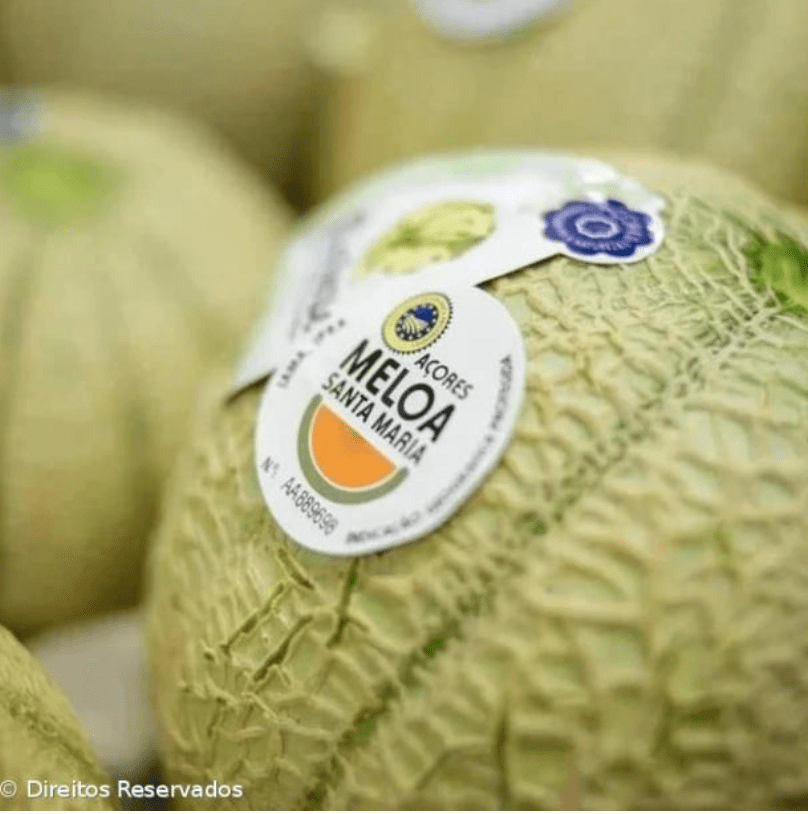
These criteria mean that the whole process is more demanding and rigorous today. “There is great control from the point of view of nutritional quality and agrochemicals so that the melon remains a product of the highest quality,” he says. Maintaining these high levels of control can be a challenge, along with others inherent to production that persist over time, from the weather’s unpredictability to the labor shortage, given the activity’s seasonality. However, for Duarte Moreira, the biggest obstacle is transportation.
“We know that this is a problem that affects all the islands, but especially the outlying ones, as is our case. It makes it very difficult to get the cantaloupe to market quickly to reach the consumer in the shortest possible time from picking. It’s been a constant struggle,” he confesses, adding high costs. Even so, he looks to the future with hope and recognizes some positive advances, namely through the recent improvement in maritime transport conditions to mainland Portugal and air transport to get cantaloupe to the islands of the central and western groups, for example. “Of course, you can’t make strategic plans without deviations, delays, and unforeseen events,” says the engineer.
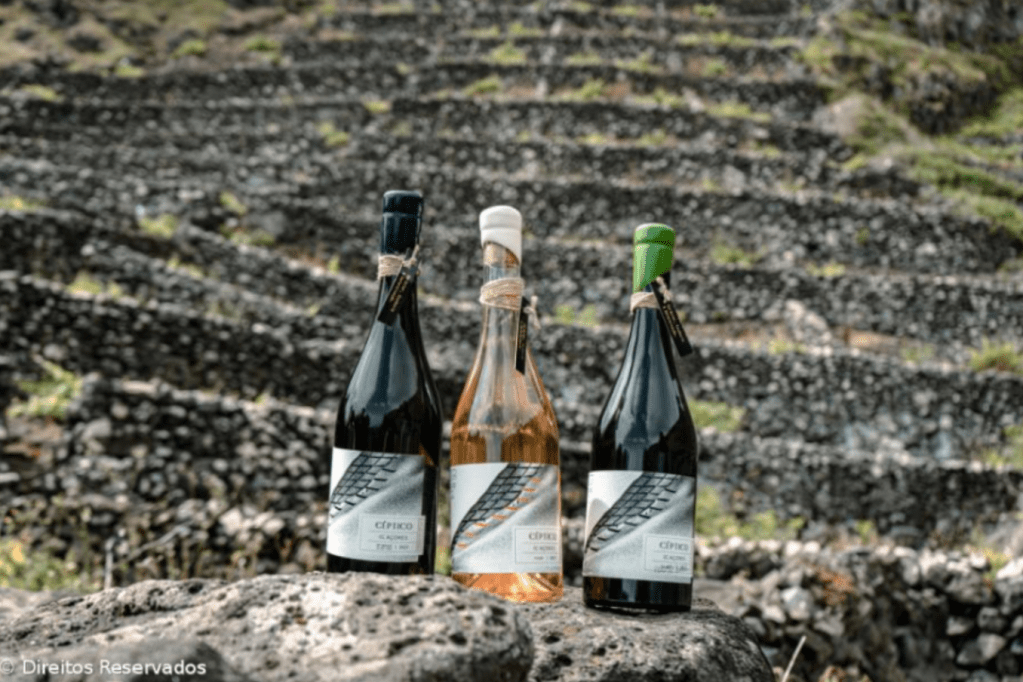
These changes in plans aren’t always negative, and the recent investment in viticulture is proof of this. When, around eight years ago, a project was launched in Vila do Porto to enhance the protected landscape of the vineyards on the island of Santa Maria, the cooperative was invited to take part and help with an initial experiment.
“The aim was to have at least one wine in a position to be certified as an IGA (Azores Geographical Indication) by the end of last year. Fortunately, we managed to certify three, and this year, we have installed a real winery to make the whole process more commercial,” reveals Duarte Moreira. He adds that there is still room for growth in other sectors, such as meat, and an application process is underway through the PRR to remodel the cooperative’s cutting room.
“We’re multi-purpose, which is what makes the most sense on a small island like ours,” he says, without forgetting to add that, despite this, the protagonist has remained the same after almost two decades. “The melon was the anchor product and it’s still the one that gives us the biggest name, because it reaches the four corners of the national territory. It’s a high quality product, it’s recognized,” he stresses.
Today, the Santa Maria cantaloupe is paired with many products, such as ice cream and yogurt. At the cooperative’s facilities, the cantaloupes that don’t make it to the shelves give rise to jams and jellies under the Mariense brand, which was born in 2015.
Duarte Moreira says there is no way to keep up with the current demand. “We don’t have enough cantaloupe to supply the large national stores. Our strict quality criteria mean that not all the cantaloupe produced is put on the market, which gives it more value. Consumers already know that if they buy a cantaloupe from Santa Maria, it’s guaranteed to be good.”
Seasonality is no problem, he explains, and it even makes the product much more unique. “Both consumers and our distribution partners know that, just as certain chocolates are from Christmas, the Santa Maria melon is from the summer,” he assures us, not least because of the importance of its production for the enhancement of the island, its people and its uniqueness is something that has no season and is felt all year round.
from Made in the Azores
Translated to English as a community outreach program from the Portuguese Beyond Borders Institute (PBBI) and the Modern and Classical Languages and Literatures Department (MCLL) as part of Bruma Publication and ADMA (Azores-Diaspora Media Alliance) at California State University, Fresno, PBBI thanks Luso Financial for sponsoring NOVIDADES.

 Novidades - The Islands and the Diaspora