

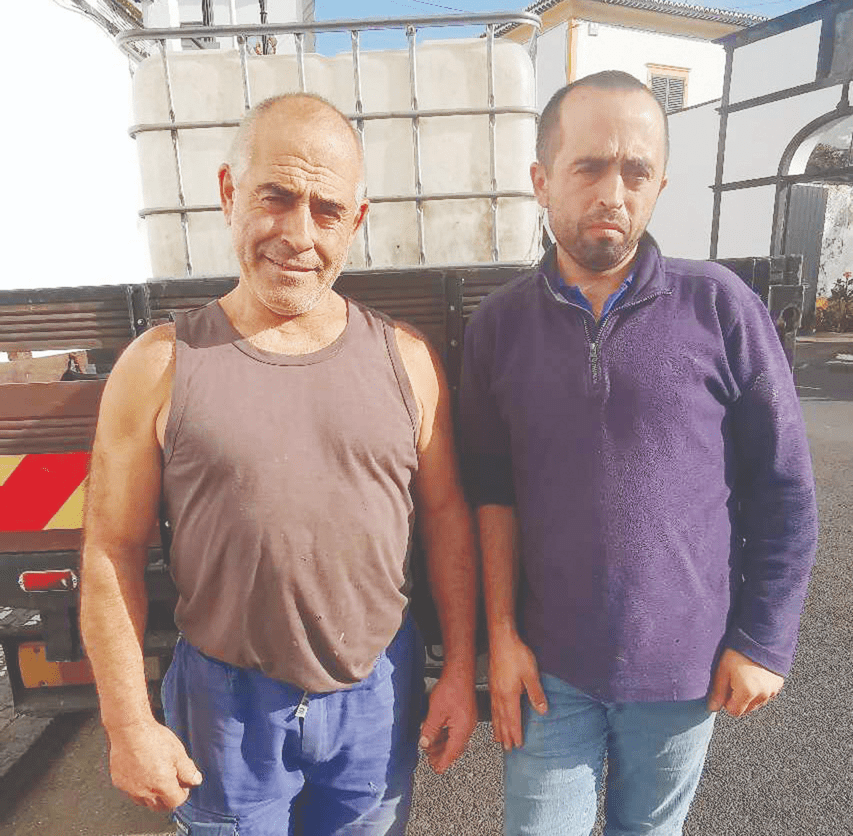
In the village of Capelas, on the island of São Miguel in the Azores, Humberto Câmara has 33 dairy cows, also beef cattle. He ends his day by cultivating a vegetable garden in his backyard.
It may not seem like it, but our interviewee started out in this life when he was still a child. “I started this life when I was 11 years old, which is 52 years ago. However, I used to take care of some heifers and dry cows with my father, because my mother used to wake me up when it was still dark, when I was seven, before I went to school.”
After all these years, Humberto Câmara still cares for his animals early. “Right now, I get up at four in the morning.”
Tending cows, which produce milk, is very different from beef cattle. “You don’t have to get up early to look after beef cows, but you also have to look after them, like making sure they have food and water.”
He does almost everything…
At the moment, Humberto Câmara has 33 head of cattle, which he looks after daily with the help of his son. “We look after the cows and calves, but we also raise calves for fattening, but the day doesn’t end like that, because I always have things to do, because I grow vegetable gardens in the yard.”
As if that wasn’t enough, he also does metalwork, repairing his work machines and trailers whenever necessary. Humberto Câmara has two tractors, a harvester, and a mower.
In terms of land area, he has around 140 bushels of land, of which he owns one and rents the other half.
In terms of milk production, he collects every other day. “I’m averaging 600 liters a day, but not all of them give milk, only about 26 cows produce milk,” he said.
Sometimes, animals are slaughtered at the abattoir and then replaced by heifers. The cows are then sold, but when Humberto Câmara needs meat, he’ll have to buy it like any other citizen.
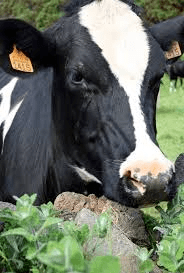
“Young people run away from this life.”
In this pleasant conversation with Humberto Câmara, it became clear that this is an activity that the vast majority of young people don’t want for themselves. “This is a problem, because we already see few young people interested in taking up this profession. What’s more, this is a life that is no longer as profitable as it once was. Milk is poorly paid, as we know, what we buy is expensive and that’s why young people are running away from this life. Those who want to or can are not in this profession, but those who like it are.”
The family may be the light at the end of the tunnel in this activity. “There is less and less young labor, and one day, when I can no longer be a dairy farmer, I hope my son will continue.” In this sense, Humberto Câmara feels lucky to be able to count on the help of his 30-year-old son, Fábio Câmara. “He even makes me get up at dawn every day.”
Humberto Câmara is a third-generation dairy farmer since his father and grandfather were also involved in the same activity. With Fábio Câmara, the family is now in its fourth generation.
Humberto Câmara used to leave the house with his brother on horseback to care for the animals. “Sometimes even earlier, at 3.30am, and it took much longer to get to the pasture.”
“A lot of people are giving up this demanding job because we always have to get up early and the profits are small,” he added, adding that ”there are no days off, Sundays or holidays in this life either.”
To make matters worse, if dairy farmers “want to take a few days off, they’ll have to find someone to replace them, which isn’t easy and gets complicated.”
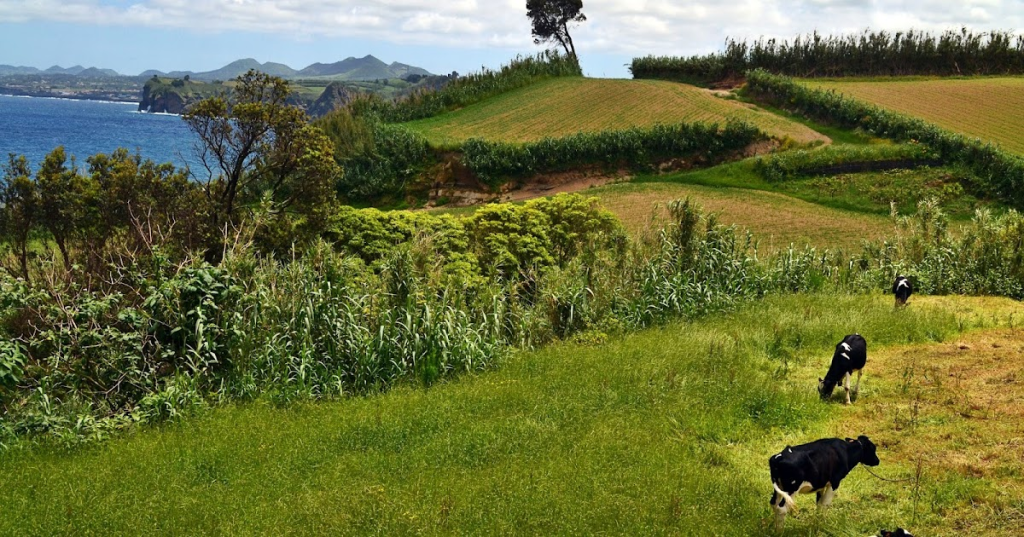
Subsistence farming helps
For him, the activity is profitable because he also does subsistence farming to ensure his and his family’s survival. “I sow cabbages, beans, peas, potatoes, carrots, cabbages, but I also have strawberries and passion fruit; in other words, I sow and grow almost everything.”
Humberto Câmara’s wife is a domestic worker and needed flour, which she found at João Viveiros’ mill. “She helps me a lot, because when I’m repairing a machine, she and my son go to take care of the cows.”
Humberto Câmara admits that he doesn’t know how to cook but helps out around the house. “I clean the kitchen, wash the dishes, and do many things around the house, but I confess I can’t cook.”
Looking to the future, even without the interest of young people in the activity, he says that “the future belongs to God, but if it continues as it is, it won’t be bad, and if my son wants to keep what we have, I’ll be delighted.”
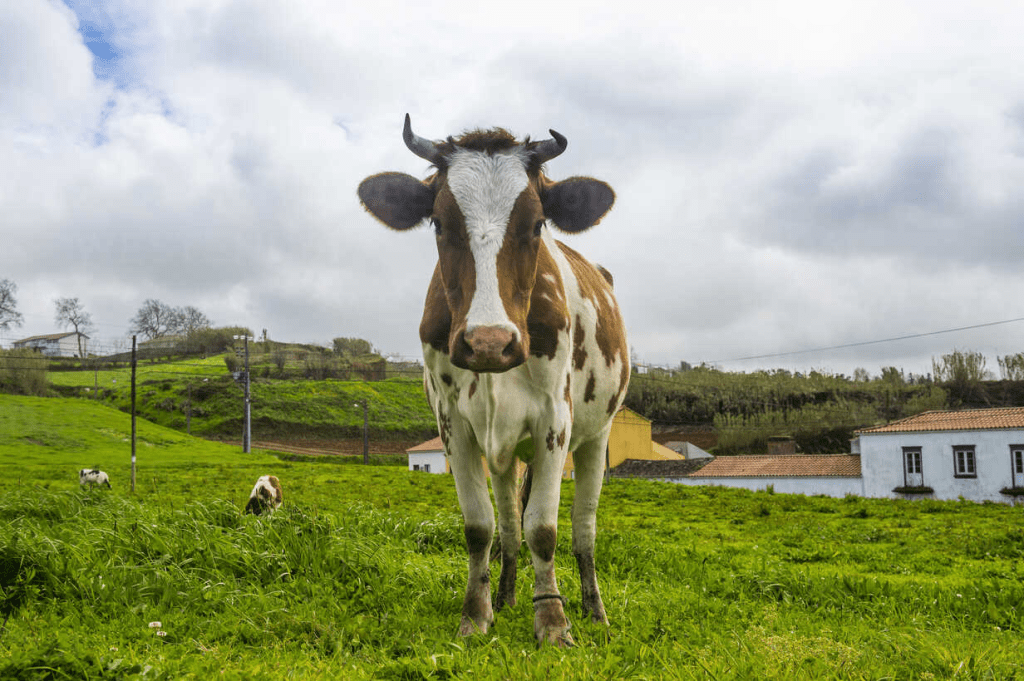
The cows on his pasture are milked in the barn, and they eat their hay there before returning to the pasture.
Marco Sousa is a journalist for the Correio dos Açores newspaper; Natalino Viveiros is the director.
Translated to English as a community outreach program from the Portuguese Beyond Borders Institute (PBBI) and the Modern and Classical Languages and Literatures Department (MCLL) as part of Bruma Publication and ADMA (Azores-Diaspora Media Alliance) at California State University, Fresno, PBBI thanks Luso Financial for sponsoring NOVIDADES.

 Novidades - The Islands and the Diaspora