

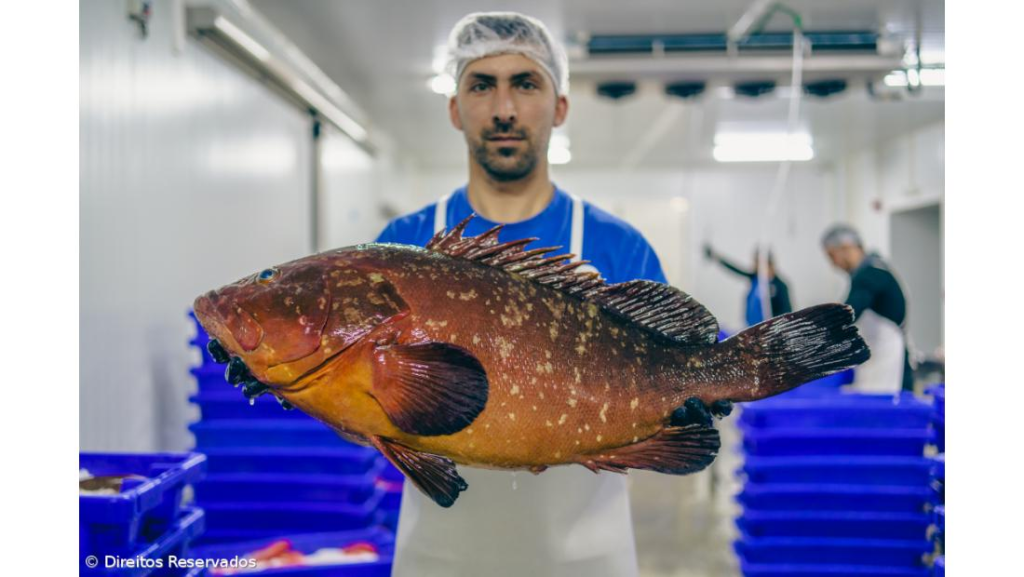
Facing north from the coast of São Miguel, next to a restless sea, we find a place where fish is treated with the respect of those who see it as a precious commodity. According to those who work with it daily, excellence is practically a goal when the product comes from the Azorean sea. Getting it to everyone’s table is Azorfisk’s constant goal.
Although the parent company originated in the neighboring country, the factory, which was founded almost a decade ago, has the distinct accent of the region where it is located, in what is the largest Azorean fishing community, according to Paulo Machado, Azorfisk’s manager.
“More than 70% of the company’s employees belong to this community, which makes the project very relevant to the parish of Rabo de Peixe,” he says.
The decision to open the factory in the Azores doesn’t need much explanation since, underlining Paulo Machado, the region is a reference point in the fisheries sector. The work they have in hand requires not only rigor in maintaining quality but also the signing of a major commitment. This contract is the basis for the entire factory’s operations process.
“Our mission is to ensure that we act with dignity and integrity, assuming a commitment to sustainability and corroborating it with fair fishing,” says the manager, who recognizes the importance of maintaining a balance and increasingly moving towards conscious management of resources, something he sees expressed at every stage of the process, from fishing to the way it is presented to the end consumer.
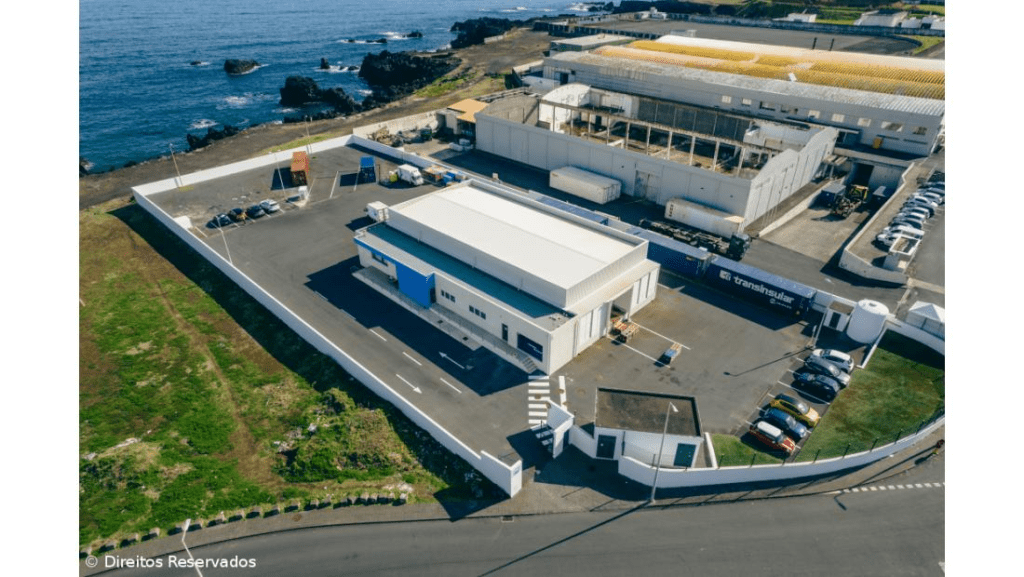
Since setting up in Rabo de Peixe, the factory has continued to grow and focuses mainly on exports, although the domestic market is also important.
“We understand that the nostalgia market on the American continent and even in Europe has enormous potential,” says Paulo Machado, always with an eye on innovation and new ways of differentiating himself on the market.
One of the ways to guarantee this differentiation and win the consumer’s trust is to guarantee Paulo Machado will continually invest in quality. He illustrates this with the recent achievement of the IFS Food certificate, which is internationally recognized and “awarded to food processing and packaging companies that guarantee the high quality and safety of their processes and products,” he explains, adding that there are processes underway at the factory to adapt to new challenges, with projects in the area of digitalization and digital transformation.
“We are studying the expansion of the plant over the next few years, creating more local jobs in the community where we are based,” reveals Paulo Machado.
Social commitment goes hand in hand with environmental responsibility, which is always in his line of action. He, therefore, analyzes the policies adopted in this direction and follows each decision closely, including the decision to protect 30% of the Azorean Sea, making the archipelago the holder of the largest protected marine area in the North Atlantic.
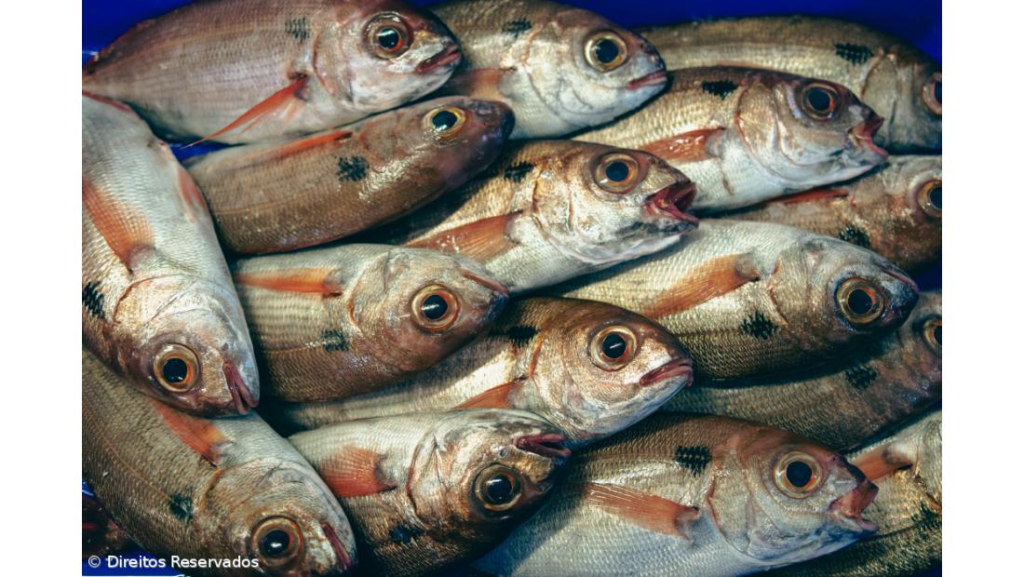
“We have to protect our ‘golden goose’ and creating protected areas could be one way of doing this. There will certainly be others, but I’ll leave that to the experts,” he says, revealing that he will keep a close eye on the process. “We need to understand whether these protected areas could later be released and others protected, creating a rotating system in order to maintain the sustainable production of the Azores’ endogenous fishing species. If this doesn’t happen, the decline of the fishing sector in the Azores will be promoted, with all the consequences that may result,” he argues. In his opinion, there is a need to take an approach in which intensive fishing is replaced by what he describes as “valued fishing”, in the sense of betting on the fresh sale of wild fish, meeting market demand.
At the end of the day, no matter how prepared you are, Paulo Machado admits that dealing with the sea is a constant challenge, as it’s impossible to predict what each day has to offer. There is, therefore, a greater respect and a will that turns the challenge into an adventure and the uncertainties into motivation. “The fishing sector in the Azores is a fundamental part of the economy, and for Azorfisk, having the opportunity to be part of this market is a privilege for us,” he says.
From Made in the Azores in Açoriano Oriental, Paula Gouveia, director
Translated to English as a community outreach program from the Portuguese Beyond Borders Institute (PBBI) and the Modern and Classical Languages and Literatures Department (MCLL) as part of Bruma Publication and ADMA (Azores-Diaspora Media Alliance) at California State University, Fresno, PBBI thanks Luso Financial for sponsoring NOVIDADES.

 Novidades - The Islands and the Diaspora