


Sugar, flour, butter, eggs, yeast. The basis of most sweets and cookies is not very mysterious, but in every grandmother’s house, the aroma that wafts through the air says something different. It smells of a special secret that seems to be theirs alone, convincing every grandchild that no one else can do the same.
This is how the Santa Maria Handicraft Cooperative was born, in a home setting, between the homes of nine friends. At the time, their hands only transformed the wool of Santa Maria’s sheep into warm clothes. At some point, the nine friends – plus the man who supplied them with the wool, who joined them as a partner to make up the tenth member needed to open the cooperative – realized that it was time to grow up and take the work out of the house. Among them was Conceição Chaves, the great driving force behind the project: “We owe her a lot for being our promoter, even in the face of difficulties,” describes Eduarda Bairos, one of the women who today gives voice and arms to the work done in the cooperative.
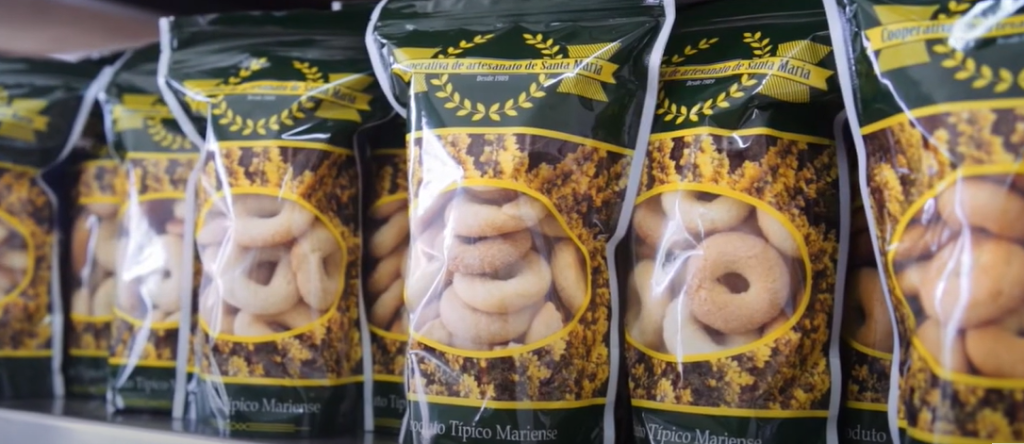
The team has grown 35 years after its founding and has 22 members, most of whom are women. Things are now more professional; there’s their headquarters, but the family spirit remains. It’s through the belly that the cooperative has won over more and more admirers. Weaving and working with sheep’s wool and linen have been joined by baking and making traditional sweets, all with techniques and secrets handed down from generation to generation.
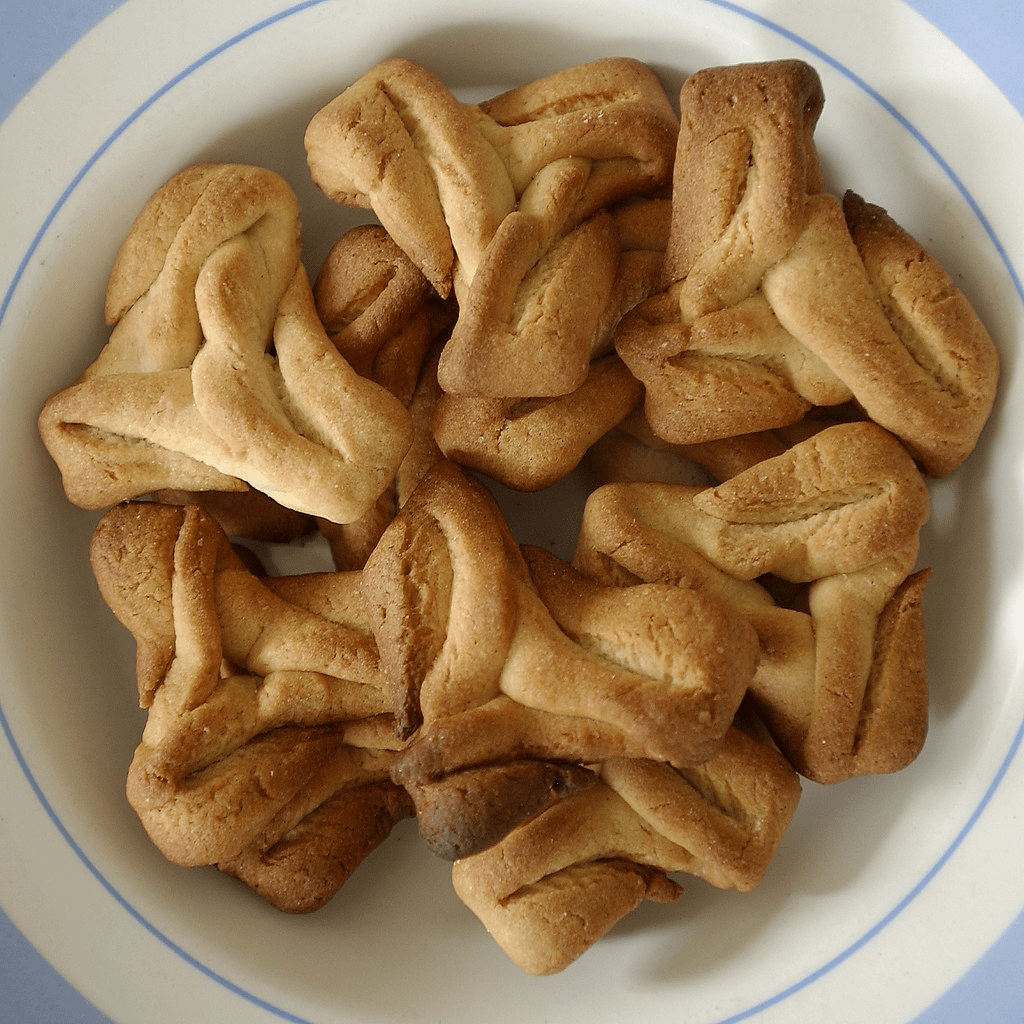
Among the cooperative’s vast catalog, the most sought-after is the biscoito de orelha, a unique sweet in every respect, even in its name. Eduarda Bairos explains its origin: “We make a triangle and then because we cut off the corners, we say we cut it into ears.” She highlights some of the reasons why this is her favorite. “Perhaps it’s the most prized product, not only because of its taste but also because it’s more elaborate and because it’s very, very old,” he explains. “At any party here in Santa Maria, be it weddings, religious festivals or any other, the biscoito de orelha is always on our table. It’s a typical product and only ours, it’s not made anywhere else.”
Eduarda Bairos assures us that the demand isn’t just from the surrounding area. “Whether it’s emigrants or other visitors, they come knocking on our door and ask if this is where we make our ear cookies.” Although they don’t organize guided tours of the cooperative, they like to let people in and look at the process, which, he argues, is also a way of enhancing the product.
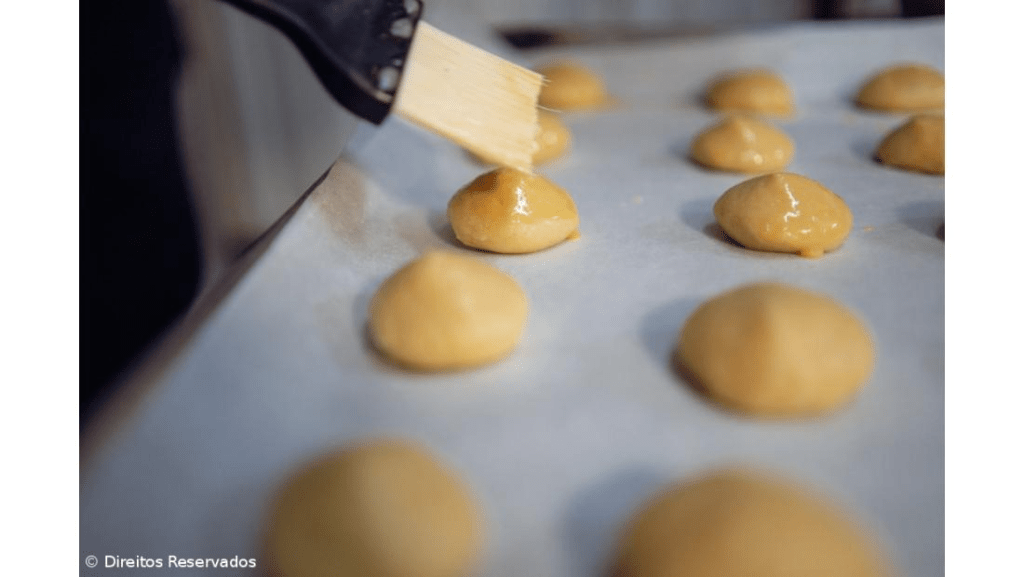
Although they are the most sought-after, the “biscoitos de orelha” are not the only ones that make us look at and taste the Mariense tradition. Other cookies, such as Encanelados and Júlias, are usually found alongside them at festivals. In the Holy Spirit empires, it was traditional for the butler to include them in a box, along with the ear cookies, to offer to the party helpers.
On a day-to-day basis, there’s never a shortage of fresh bread, which is distributed to all the island’s parishes in supermarkets, but not only. “My colleague leaves here at 7am and, on her way back to our parish, Santo Espírito, she distributes it to the homes of the elderly, for those with reduced mobility or who don’t have transport. We’re in the most dispersed parish on the island, which means that the houses are more spread out too, so people can’t always come to us. So we go to them, so that everyone has fresh bread.”
The emigrants maintain This spirit of familiarity overseas and don’t hesitate to look for the delicacies they miss the most when they return to the island, including wheat bread, sourdough, and cookies. “It’s their house, too,” says Eduarda Bairos. They have been receiving increasing numbers of tourist visits and have become an obligatory stop to learn the traditions of Santa Maria.
The time has come for these traditions to reach new heights, starting with their participation in the Azorean products fair in Lisbon. Eduarda Bairos says she feels honored and responsible to represent the island, accompanied by Conceição Chaves. “We’re women of drive and strength, and we’re very excited that Santa Maria will be represented there,” she says.

As for the possibility of innovating, Eduarda Bairos explains that they would never consider changing anything in the traditional recipes, from the local ingredients they make a point of using to the methods themselves, but there is some room to invent by creating other products. An example is the queijada de meloa de Santa Maria, a seasonal product, to respect its time of year.
Whether they’re weaving or kneading, the secret ingredient is family affection and the pleasure of continuing a never-ending job that keeps the culture of Santa Maria alive and the affection of each mother and grandmother who, every day, gathered their grandchildren and children around the table with a cookie in their ear and a couple of words to share.
From Made in the Azores (Marca Açores). In Açoriano Oriental, Paula Gouviea-director
Translated to English as a community outreach program from the Portuguese Beyond Borders Institute (PBBI) and the Modern and Classical Languages and Literatures Department (MCLL) as part of Bruma Publication and ADMA (Azores-Diaspora Media Alliance) at California State University, Fresno, PBBI thanks Luso Financial for sponsoring NOVIDADES.
 Novidades - The Islands and the Diaspora